
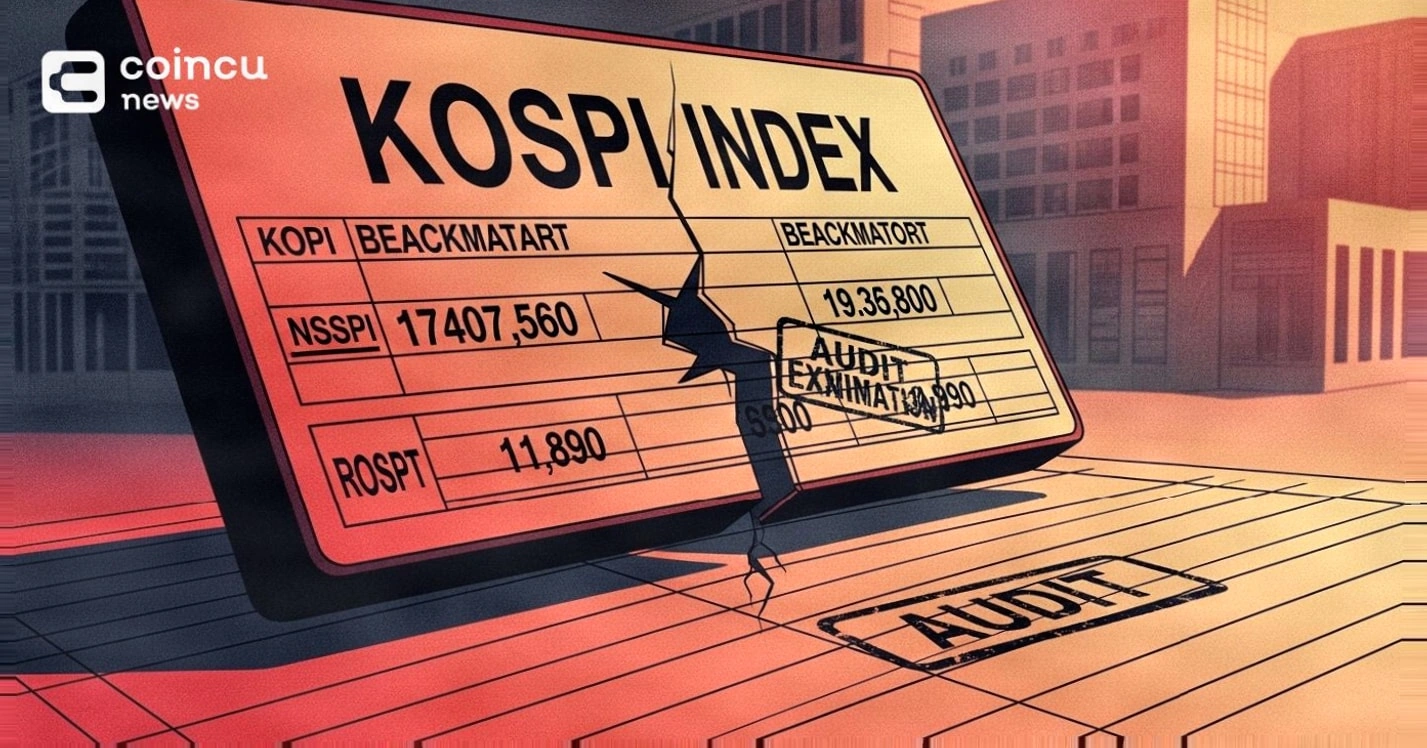

What happened: KOSPI index down up to 10%; circuit breakers triggered
South Korea’s KOSPI index plunged as much as 10% intraday during a disorderly selloff that spread across large caps and derivatives. Some reports placed the mid-session decline closer to 7–8%.
Circuit breakers were triggered on both the KOSPI and the KOSDAQ, temporarily halting trade to curb volatility, as reported by Korea JoongAng Daily. Such halts are designed to prevent panic and restore orderly price discovery.
Why it matters: geopolitics, oil shock, foreign outflows, rally fatigue
Escalating Middle East tensions and a concurrent oil price surge undermined risk appetite and stoked energy-cost worries for a net oil importer like South Korea, as reported by The Dong-A Ilbo. These external shocks also pressured the currency and tightened financial conditions.
Officials sought to frame the move as externally driven rather than a reflection of domestic fragility. “The fall was excessive in comparison to real economic and financial market conditions,” said Choi Sang-mok, Deputy Prime Minister and Finance Minister.
Immediate impact: KOSDAQ slide, sidecar activation, weaker won, Samsung slump
The KOSDAQ mirrored the selloff as liquidity thinned and intraday volatility rose. Reports differed on the extent of any sidecar activation; in Korea, sidecars curb program trading when futures swing sharply.
The won weakened alongside equities as investors shed risk, according to UPI. Sentiment hit heavyweight technology shares, with pressure evident in bellwether semiconductor-related names including Samsung.
What to watch next for policy and market stability
Government monitoring and stabilization options under Choi Sang-mok
Authorities moved to a heightened posture, with Choi Sang-mok indicating a 24-hour joint monitoring system across agencies. He signaled readiness to deploy stabilization tools if volatility persists, subject to market conditions and legal mandates.
Bank of Korea volatility assessment from Rhee Chang-yong
Based on a work report to the National Assembly, the Bank of Korea assessed the risk of a structural downward shift as limited while acknowledging rising volatility, as reported by asiae. Governor Rhee Chang-yong highlighted uncertainties around AI-related valuations and external policy shocks as key variables to watch.
At the time of this writing, in crypto markets, Klaytn (KLAY) traded near $0.05358 with high 8.62% volatility and an RSI of 19, indicating a risk-off tone. This cross-asset backdrop may inform near-term sentiment without determining equity direction.
FAQ about KOSPI index
Were circuit breakers triggered on the KOSPI and KOSDAQ and what do those halts mean for trading?
Yes. Trading halts briefly pause order matching to cool volatility and facilitate orderly price discovery before sessions resume.
How are Middle East tensions and the oil price surge impacting South Korea’s stock market and currency?
They weaken risk appetite, raise import-cost concerns, and pressure the won by tightening financial conditions and amplifying external vulnerability.