

The Crypto Fear & Greed Index is showing signs of recovery, moving away from extreme lows and indicating an improvement in market sentiment. The index gauges investor sentiment by analyzing market volatility, momentum, trading volume, and social media data. Readings below 25 signal extreme fear, while higher values reflect increased risk appetite.
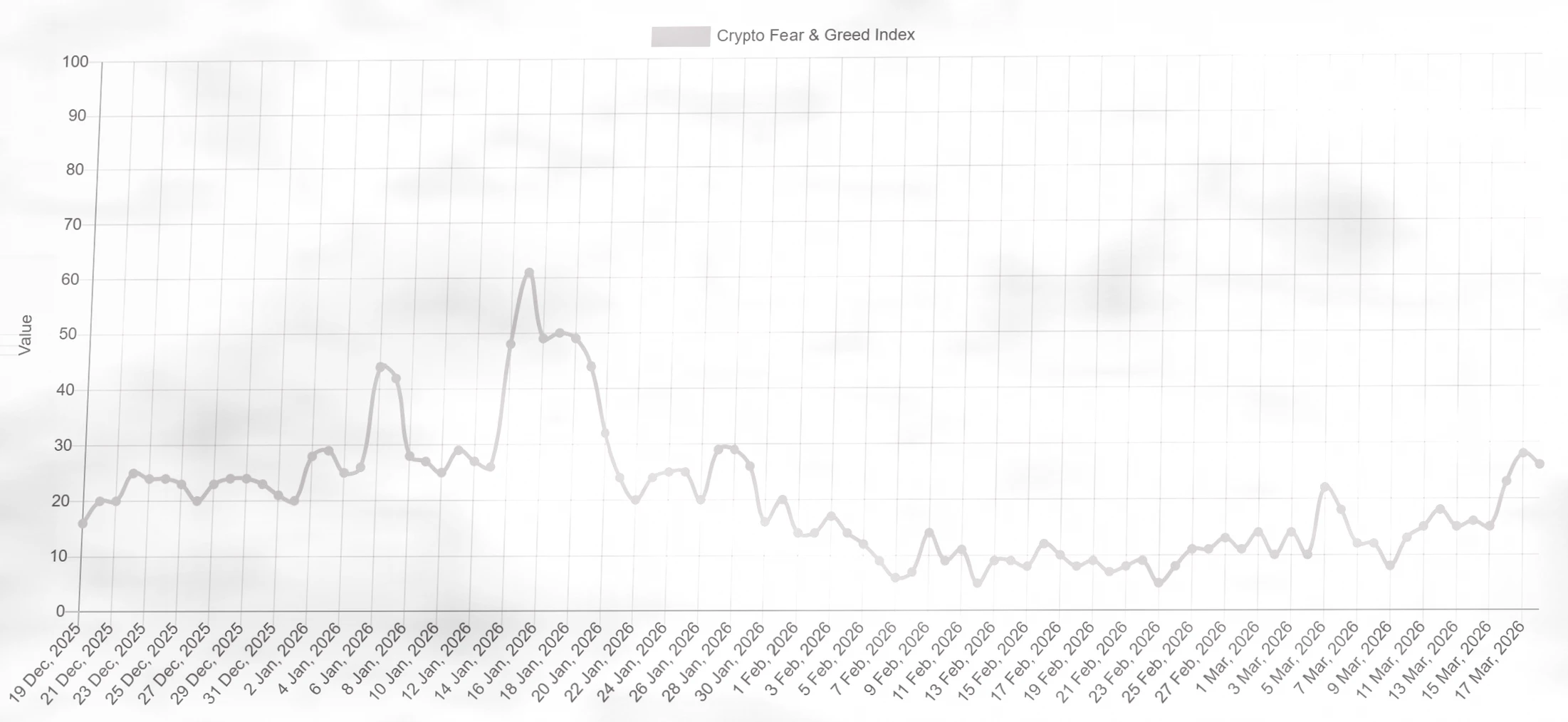
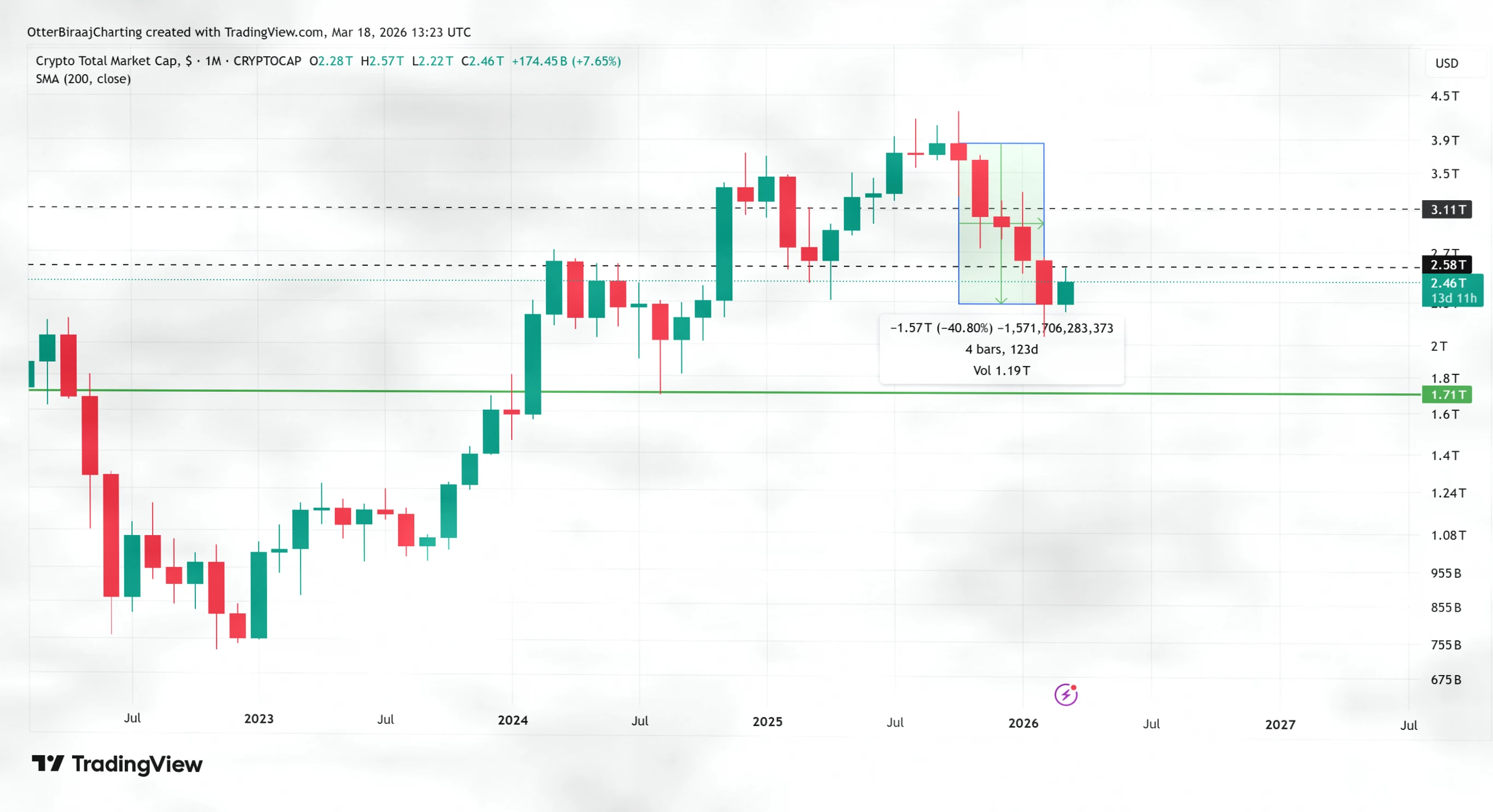
This week, the index has shown a positive shift, marking the first time in six weeks that it has moved out of the extreme fear zone. This change aligns with a broader recovery in the total cryptocurrency market capitalization. In March, the total crypto market cap increased by 7.65%, or approximately $174 billion, representing the first monthly gain since September 2025. This follows a period of five consecutive months of decline, where the market lost nearly 40% of its value, falling from $3.65 trillion to $2.28 trillion.
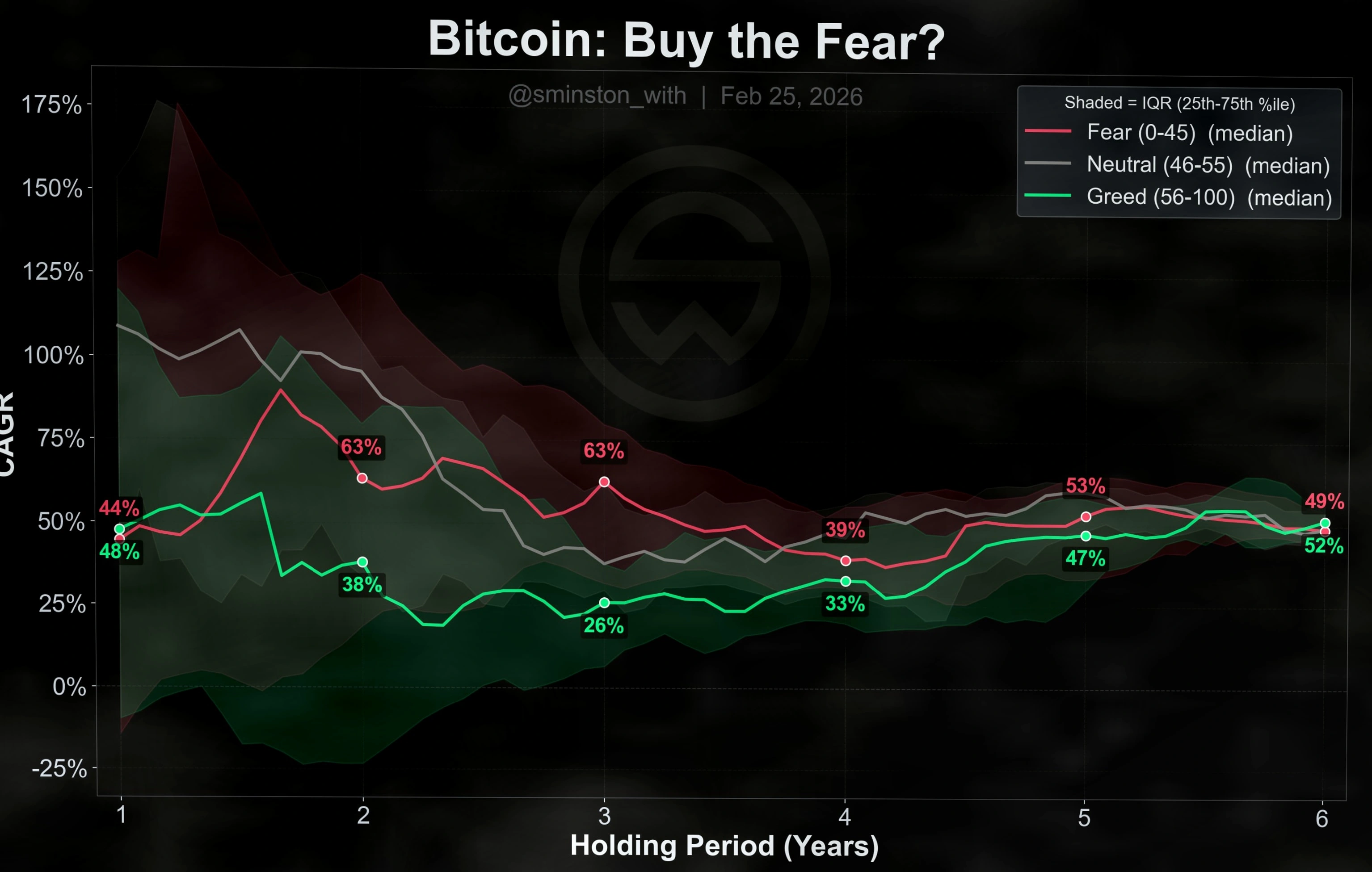
An analysis of Bitcoin buying strategies revealed that investing during fear phases yielded an average return of 331% over the past three years, compared to 100% for investments made during greed phases. However, over longer timeframes (four to five years), the difference in returns between these strategies narrowed, suggesting that Bitcoin's long-term growth trend played a dominant role despite price fluctuations.
Stablecoin Inflows Signal Liquidity Return
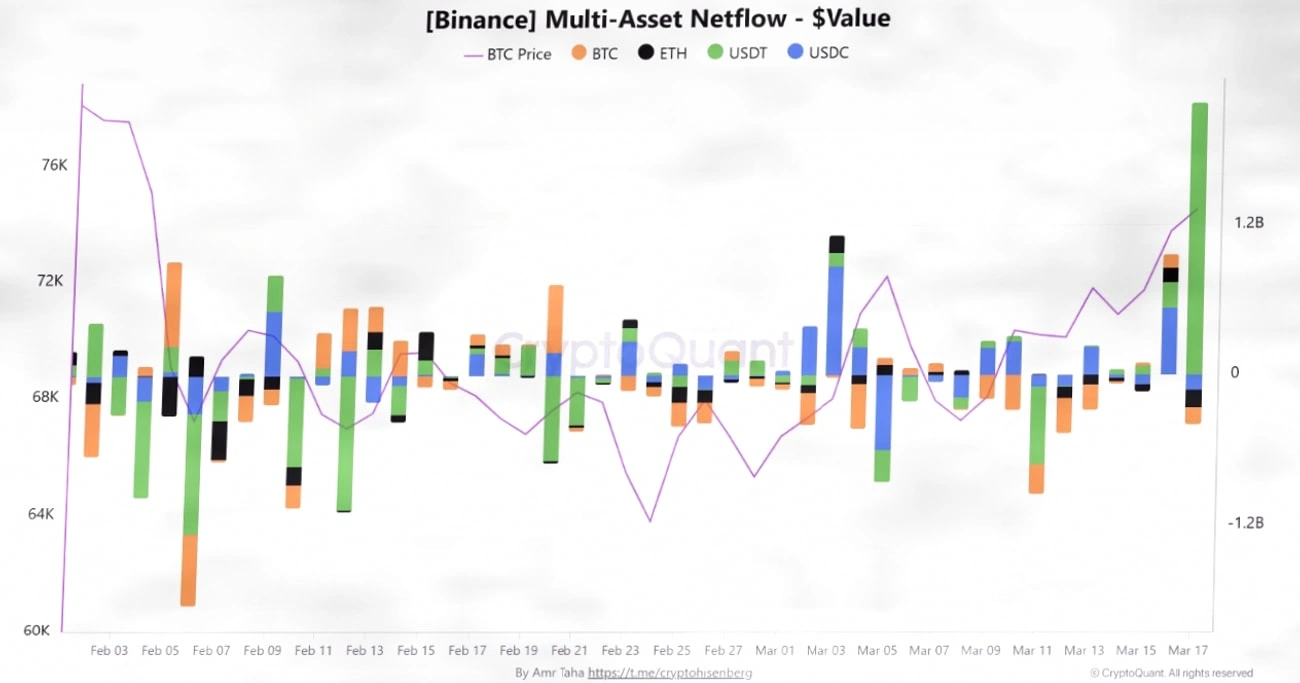
Stablecoin inflows are considered 'dry powder' for the crypto market, representing potential investment funds. Earlier this week, a surge in stablecoin inflows coincided with Bitcoin prices approaching $75,000, indicating a strong correlation between liquidity injection and active trader positioning.
Concurrently, total stablecoin reserves held on exchanges climbed from a six-month low of $64 billion on March 8 to $68.5 billion, an increase of 7% in a short period.
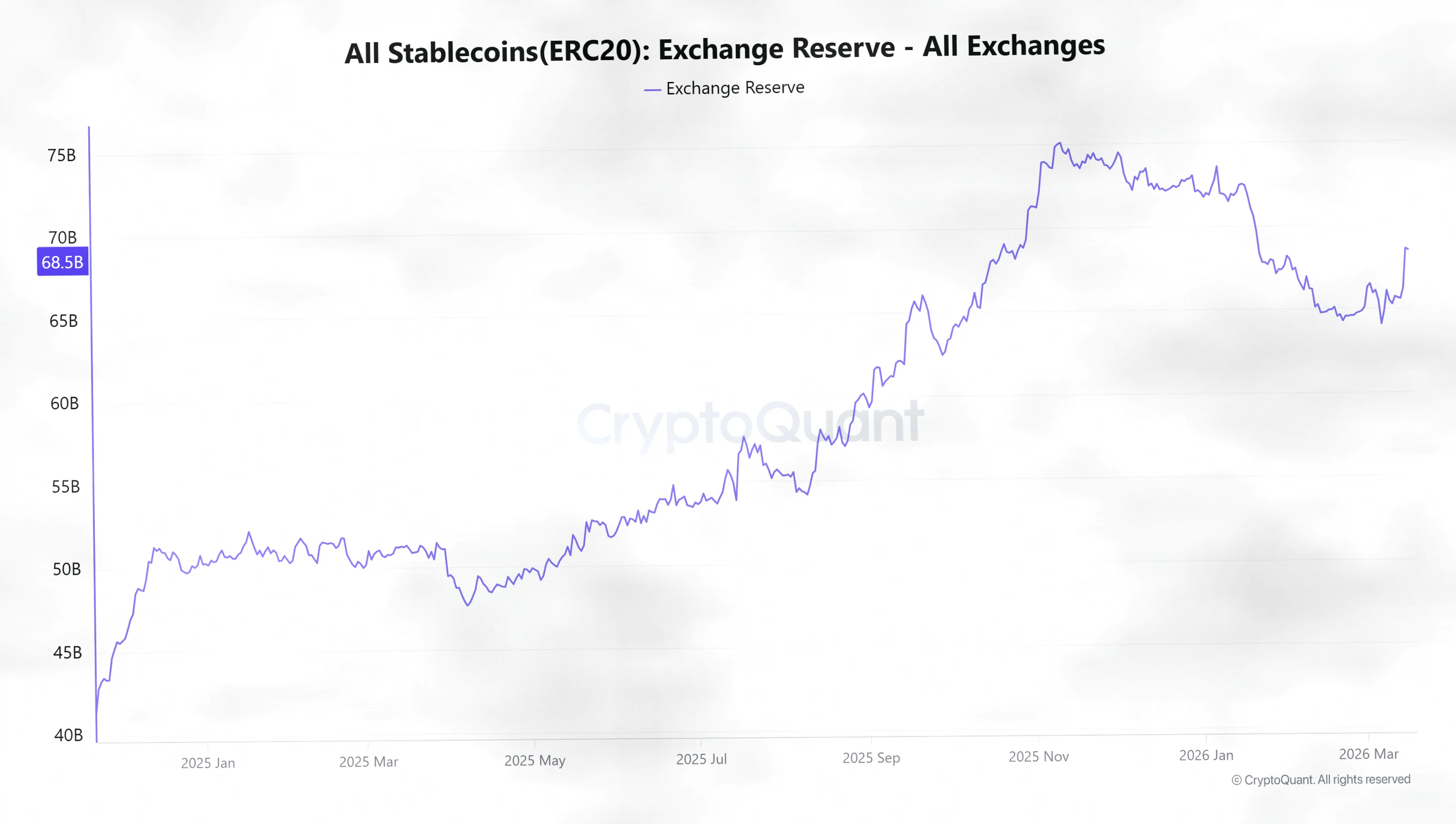
An increase in exchange stablecoin reserves typically suggests that investors are preparing to deploy capital into spot or derivatives markets. This indicates that traders are re-entering the market with the intention of establishing positions, thereby boosting recent buying power.