

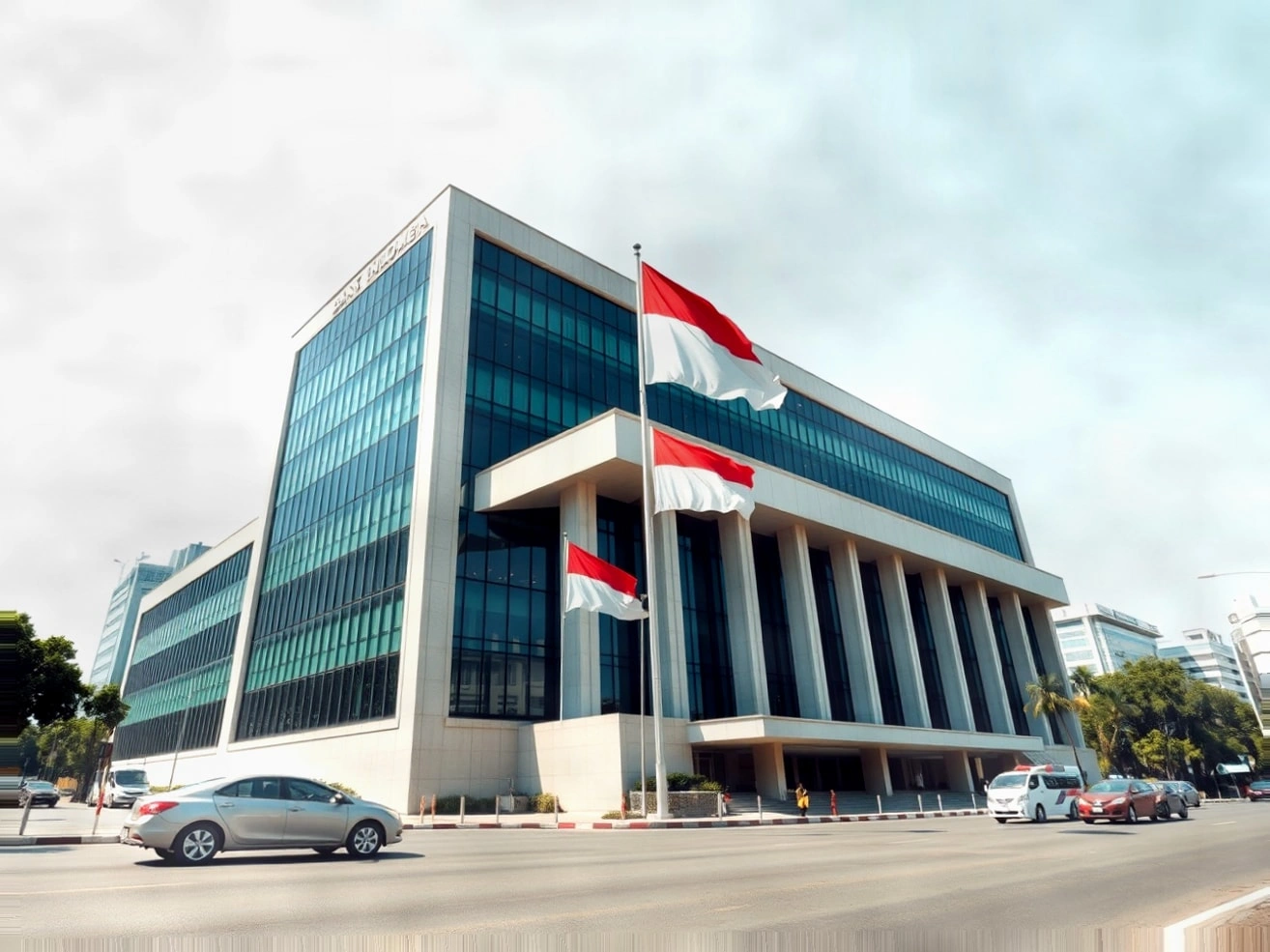
Jakarta, Indonesia – Bank Indonesia (BI) is projected to maintain its hawkish monetary policy stance until 2026, according to recent analysis by United Overseas Bank (UOB). This extended timeline underscores the central bank's commitment to price stability and the Indonesian Rupiah's exchange rate amidst persistent inflationary pressures and global financial market fluctuations.
Indonesia's Hawkish Monetary Policy Framework
To effectively manage inflation and stabilize its currency, Bank Indonesia has adopted a hawkish monetary policy. The nation's benchmark interest rate currently stands at a high of 6.25%, placing it among the highest policy rates in the Southeast Asian region. This elevated interest rate environment directly impacts the overall cost of borrowing within the Indonesian economy. For businesses, this translates to increased financing costs for expansion projects, while consumers face higher repayment burdens on mortgages and various loans. BI's core mandate is to keep annual inflation within its target range of 1.5% to 3.5%. Furthermore, the central bank is dedicated to managing exchange rate stability, aiming to provide robust support for economic growth and financial system resilience.
UOB economists forecast that this tight monetary policy will persist through 2026. Their analysis incorporates several key factors: firstly, the volatility of global commodity prices continues to influence Indonesia's import costs; secondly, domestic demand pressures remain elevated despite previous tightening measures; and thirdly, the policy decisions of the U.S. Federal Reserve impact capital flows in various emerging markets, including Indonesia. This prolonged hawkish stance is a comprehensive reflection of these complex economic interdependencies. Consequently, market participants should anticipate a continued restrained monetary policy environment.
Economic Backdrop and Inflation Dynamics
Indonesia's inflation landscape presents unique challenges for policymakers. In the most recent statistical period, the Consumer Price Index (CPI) rose by 2.8% year-on-year. While this figure remains within the central bank's target range, it masks considerable underlying pressures. Food inflation, in particular, has consistently outpaced overall price increases, with staples like rice and chili peppers being notably affected. Transportation costs have also been a significant driver of increased household expenditure. Additionally, adjustments to administered prices for utilities such as electricity and fuel have added further upward pressure on inflation.
The following chart illustrates Indonesia's recent inflation trends:
Core inflation (excluding volatile food and energy prices) has remained relatively stable. However, Bank Indonesia closely monitors several forward-looking indicators. Potential disruptions to global supply chains could reignite risks of imported inflation. Simultaneously, the El Niño phenomenon poses a threat to agricultural production and food security. The central bank's precautionary stance aims to effectively anchor inflation expectations before these risks materialize. Therefore, policymakers will maintain their credibility through consistent and clear policy signaling.
Exchange Rate Management and Capital Flows
Bank Indonesia actively manages the exchange rate of the Indonesian Rupiah...