

South Korea's digital asset tax policy is facing significant challenges, as the ruling opposition party, the People Power Party, formally submitted a legislative motion today to repeal the digital asset tax framework originally slated for implementation next year. This move signals a potential major turning point in the debate surrounding digital asset regulation and tax fairness in South Korea.
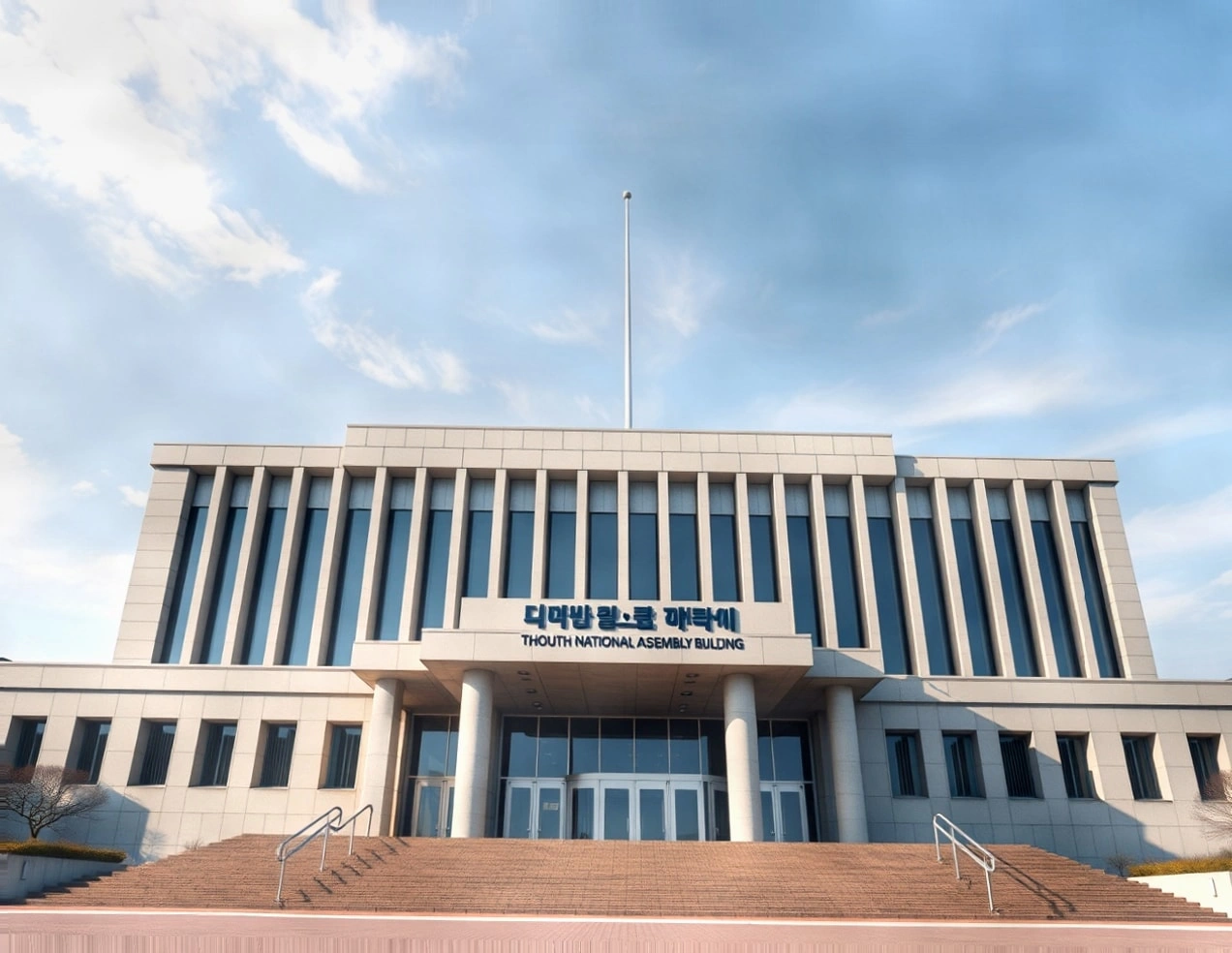
Opposition Pushes Hard for Digital Asset Tax Repeal Bill
Song Yan-seok, the whip of the People Power Party, submitted an amendment to the Income Tax Act today, explicitly proposing the removal of tax provisions for cryptocurrency gains. The submission of this amendment is the latest development following months of industry consultations and parliamentary discussions, aiming to prevent the implementation of this controversial tax policy.
The current tax framework, approved by the National Assembly in 2020, stipulates a 20% tax on cryptocurrency earnings exceeding 2.5 million Korean won (approximately $1,900) annually. This tax policy, originally scheduled to take effect in 2022, has been postponed multiple times, with the government ultimately arranging for its commencement in January 2025. The opposition party's proposal aims to completely halt its implementation.
Industry analysts point to several key factors driving this legislative challenge:
Digital Asset Tax vs. Stock Tax: A Comparative Analysis
The core argument behind the opposition's proposal lies in its belief that the digital asset tax imposes unfair treatment compared to taxes on traditional investments. Currently, South Korea employs different tax structures for various asset classes. Compared to the planned digital asset tax framework, stock investors enjoy more favorable tax treatment.
A comparative analysis reveals significant disparities:
- Digital Asset Tax: A 20% tax rate on annual earnings exceeding 2.5 million Korean won.
- Stock Trading Tax: Under certain conditions, capital gains tax rates may be lower than 20%, and some transactions are exempt from capital gains tax.
This inconsistency in taxation forms the primary basis for the proposed legislative revision. Opposition party members argue that tax treatment should be harmonized across different investment categories. Furthermore, they emphasize that premature taxation could hinder technological innovation and overall economic growth.
Expert Views on Tax Policy
Financial policy experts have also offered multifaceted considerations on the current tax debate. Professor Kim Jae-hyun from the Graduate School of International Studies at Seoul National University stated, "Tax policy formulation requires a careful balance between tax revenue and industry development." He stressed the particular importance of prudent policy design, considering South Korea's leading position in the global cryptocurrency market.
Market analysts observe that tax policies significantly influence investor behavior. The proposed 20% tax rate is higher than the rates for some traditional investments. Concurrently, the relatively low exemption threshold has a notable impact on retail investors. These factors collectively contribute to the ongoing discussion about an appropriate regulatory framework.