

The cryptocurrency market has recently experienced significant volatility, with both capital flows and open interest indicating a decline in risk appetite.
ETF Flows Show Weakness
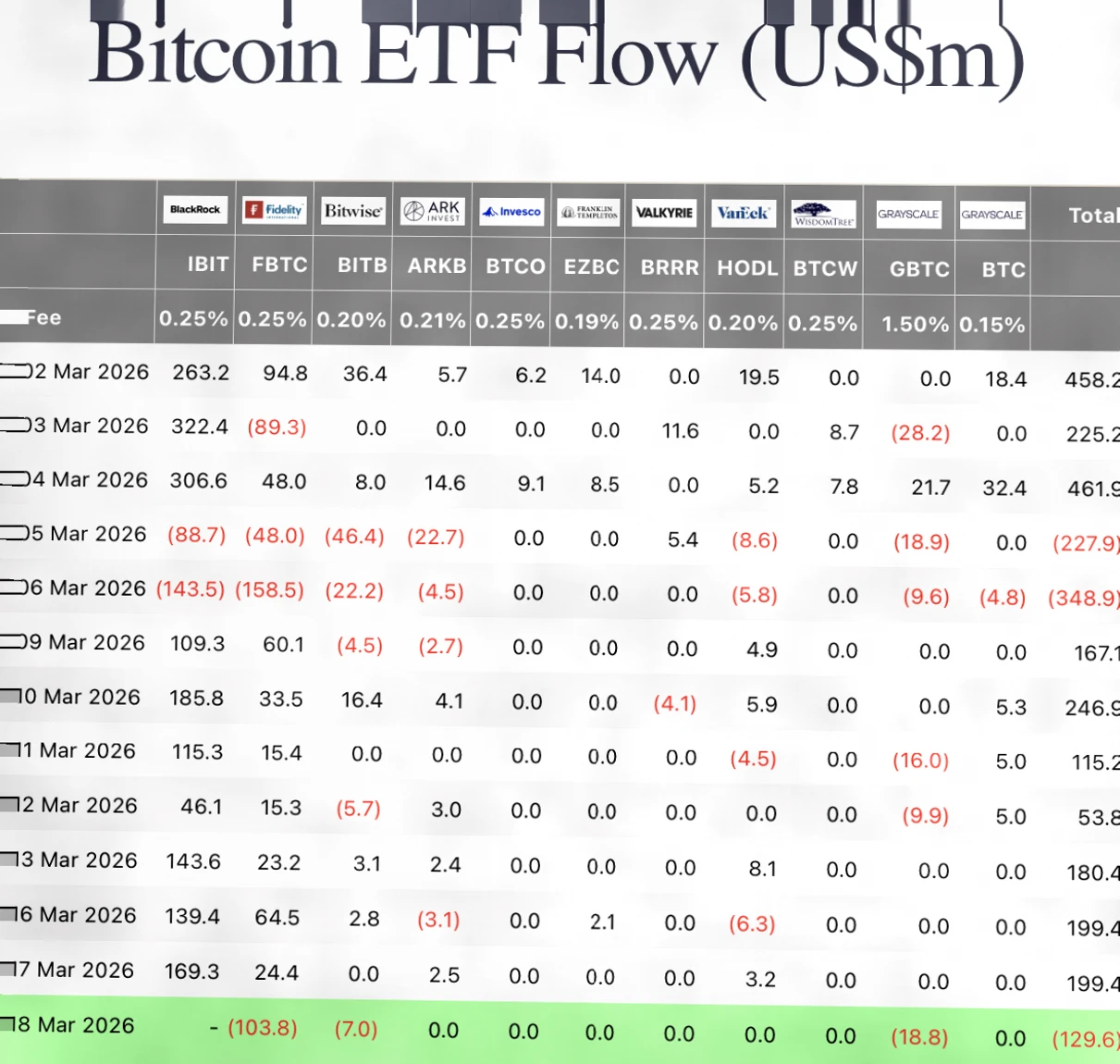

Ethereum ETFs were not spared, recording net outflows of approximately $55.5 million. Losses were distributed across multiple funds, with no meaningful inflows to offset them, further confirming that institutional capital is broadly withdrawing rather than rotating within the asset class.
Liquidation Surge: $588 Million in Positions Evaporate
Of the total liquidation volume, approximately $492.8 million consisted of long positions being forcibly closed, while only $95.3 million represented short liquidations. This imbalance highlights a typical short squeeze scenario, where bullish positions are rapidly unwound as prices break below key support levels.
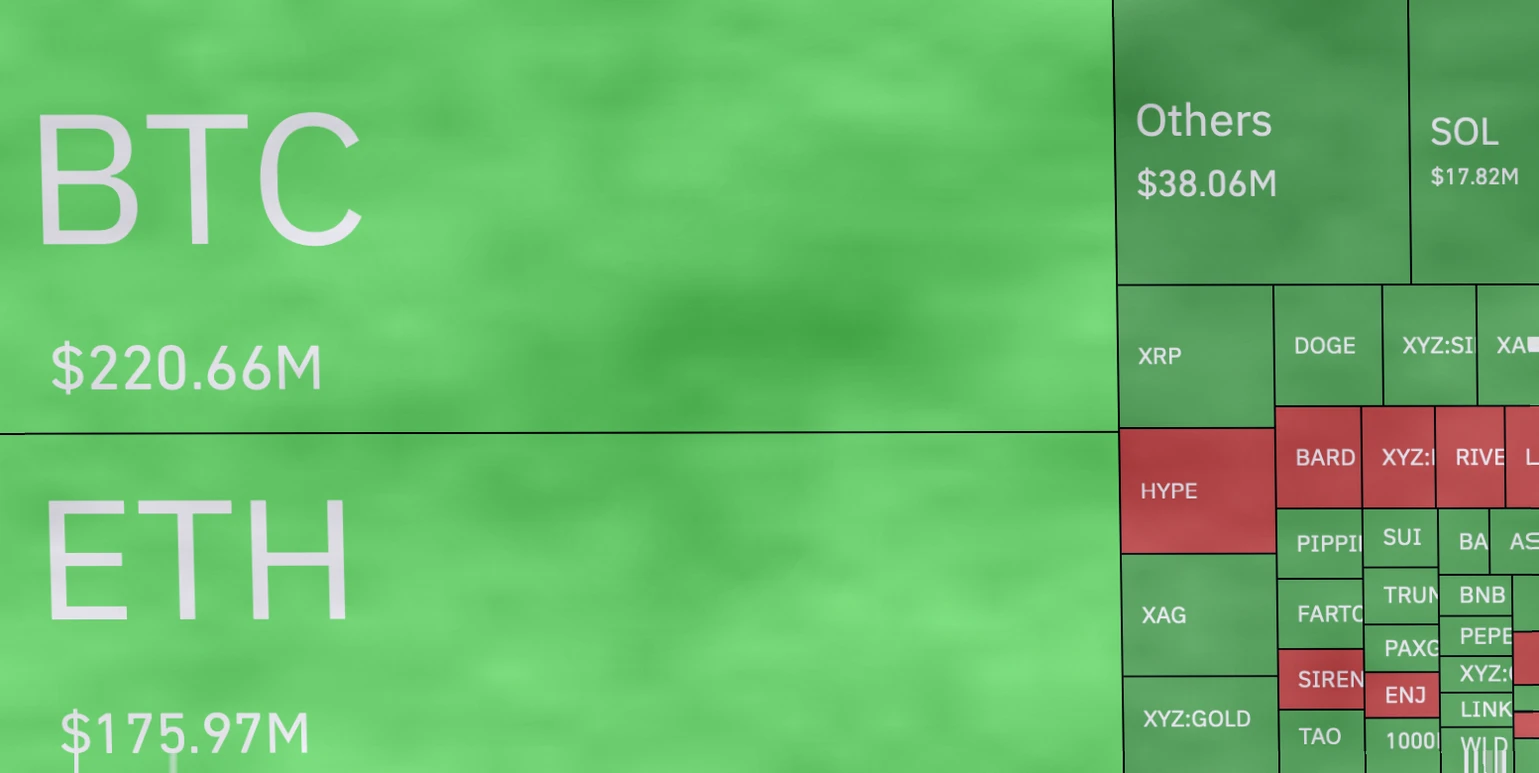
Bitcoin was the primary victim of these liquidations, amounting to roughly $220.7 million, followed by Ethereum at $176.0 million, with the remainder spread across various altcoins. The concentration in major assets reflects the primary direction of leveraged exposure accumulation during recent rallies.
Over 158,000 traders suffered liquidations during this price downturn, with the largest single Ethereum position being liquidated for nearly $18 million. Such a large scale of liquidations suggests that leverage in the derivatives market had accumulated to considerable levels prior to the market pullback.
The cascading effect of liquidations exacerbated the price decline, as forced selling due to margin calls, coupled with weakness in the spot market, created mechanical downward pressure. This dynamic is common in crypto markets, where high leverage often amplifies relatively modest price movements into accelerated sell-offs.

Concurrently, this shakeout may serve a stabilizing purpose. By clearing excessive leverage and resetting market positions, the market could potentially rebuild on a more sustainable footing—provided the selling pressure begins to subside and new demand emerges.
From Flow-Driven Rally to Liquidity Test
Meanwhile, market positioning dynamics likely exacerbated this move. After an extended period of gains, leveraged long positions left the market vulnerable to liquidations as prices began to fall. As these positions are unwound, volatility tends to increase, leading to sharper downturns.
Macroeconomic conditions remain a significant factor. Cryptocurrencies continue to be viewed as high-beta risk assets, meaning any shifts in the broader financial environment can quickly translate into price pressure. The absence of strong inflows becomes particularly notable in this context.
The key question now is whether ETF flows will stabilize or continue to deteriorate. If outflows persist, the market may face a deeper correction. If inflows resume, they could once again act as a stabilizing force.
What is certain is that the balance of power in the market—at least in the short term—has shifted from buyers to sellers, with flows, momentum, and sentiment indicators all pointing in the same direction.