

BNP Paribas Asset Management, British International Investment (the UK’s development finance institution), and the Shell Foundation jointly supported this financing.
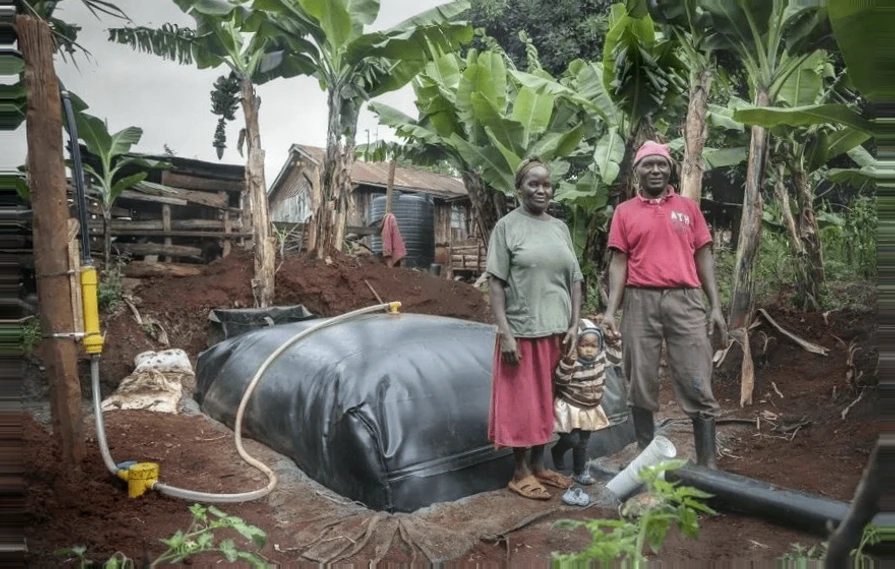
This funding will be used to deploy over 90,000 biogas digesters, which can convert livestock waste into biogas for cooking and electricity, as well as organic fertilizers that reduce dependence on chemical fertilizers.
This financing builds on a previous $3.5 million investment received by Sistema.bio from Novastar Ventures, as part of a total internal funding round of $7.75 million aimed at supporting expansion in Africa.
How Sistema.bio Plans to Use the Funds and What Farmers Will Gain
The FarmCarbon system is relatively simple: farmers acquire biogas digesters at significantly reduced prices, with payment options available for immediate or installment payments. In return, they transfer the carbon credits generated by their farms to the FarmCarbon fund.
The fund sells these carbon credits to buyers through long-term contracts. The proceeds from these sales are used to repay investors who funded the biogas digesters.
This model allows farmers to essentially exchange what they produce for clean energy technology. They gain access to affordable clean energy equipment, while the fund providing the equipment receives the carbon credits generated by their farms.
Related reports: Africa Financing: Kenya and Nigeria Decline, Benin and Côte d'Ivoire Rise to Top Four
Farmers immediately benefit from reduced energy and fertilizer costs, as well as increased agricultural productivity, without having to pay the full upfront cost of the technology.
Tackling the Funding Gap in Climate Financing
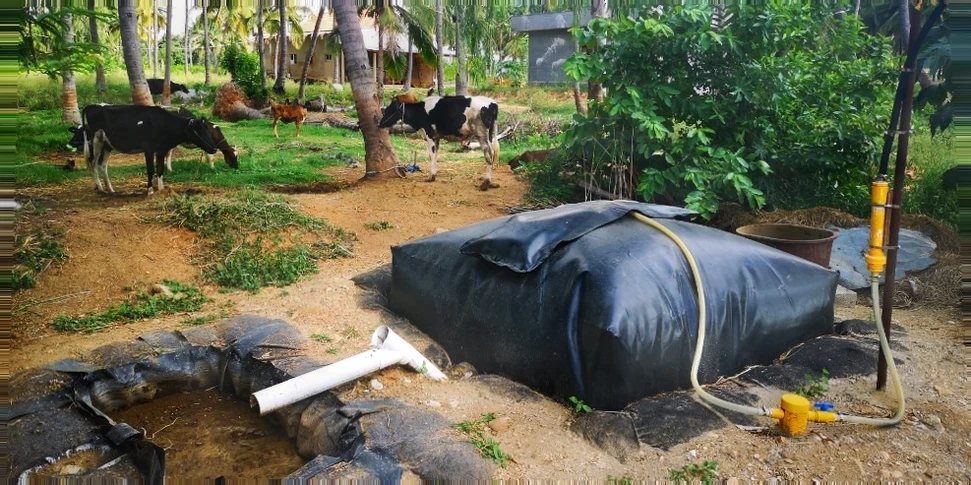
Livestock waste generates significant amounts of methane, a greenhouse gas that is much more potent than carbon dioxide in the short term. Sistema.bio estimates that the 90,000 biogas digesters funded by FarmCarbon will capture and eliminate enough methane over the next decade to reduce emissions equivalent to over 9 million tons of carbon dioxide.
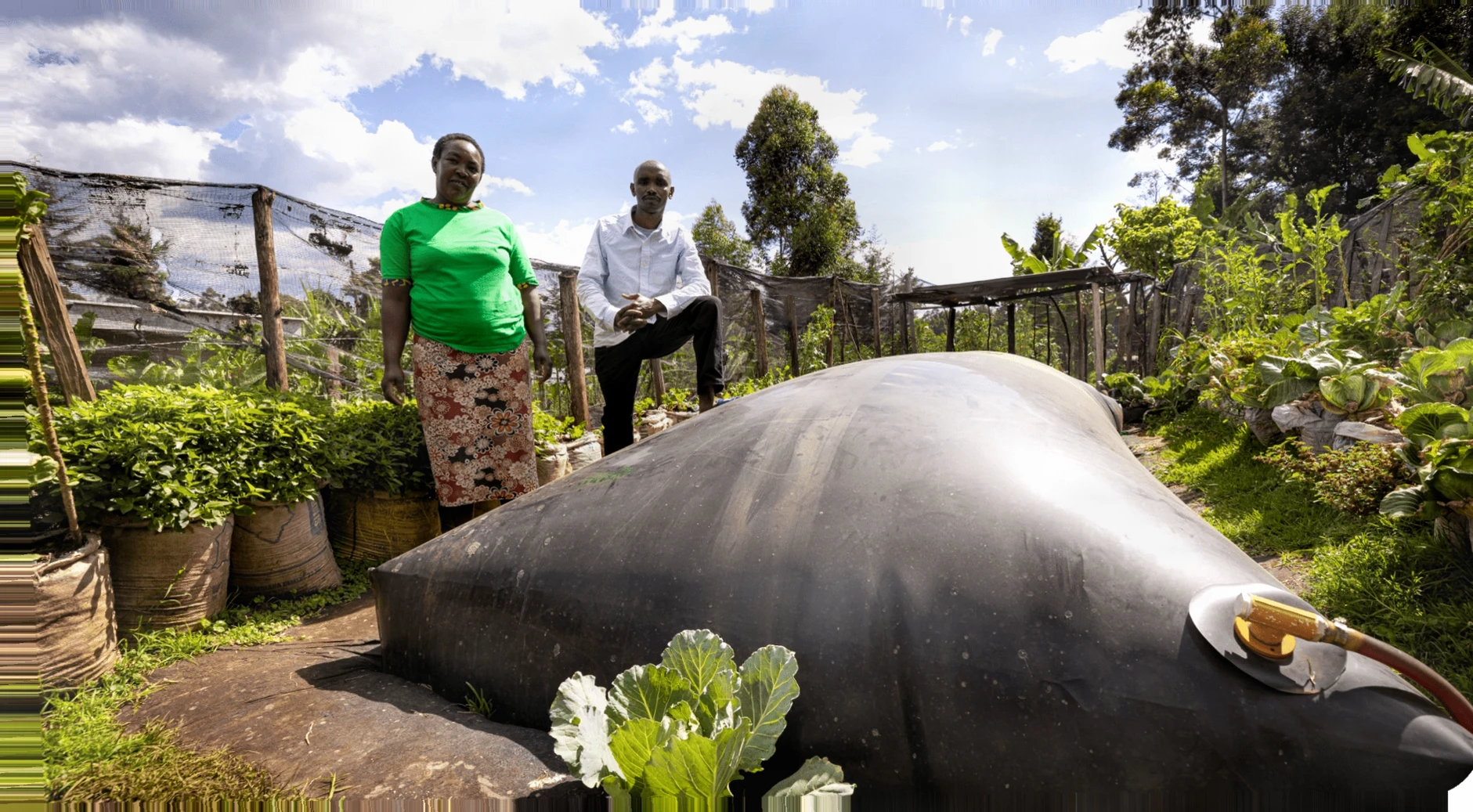
Despite the significant impact of methane on global warming, this area remains one of the least funded in climate financing. The design of FarmCarbon aims to specifically direct institutional capital to this gap while ensuring that the benefits accrue to the farmers who initially generate the emissions reductions.
Sistema.bio currently operates in 35 countries across three continents and has collaborated with over 200,000 users since its inception.