

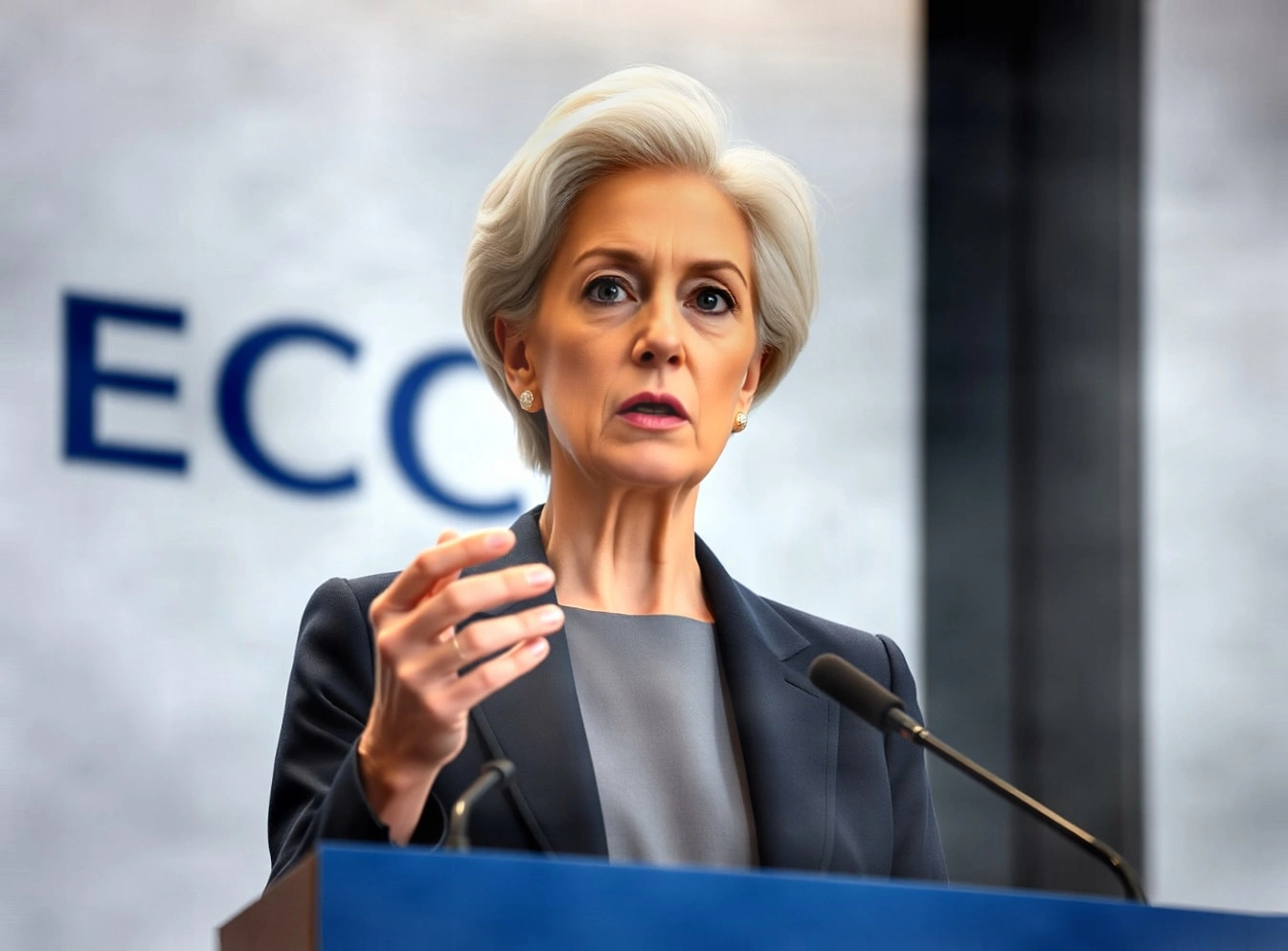
Lagarde's Remarks on Energy Price Vulnerability
Christine Lagarde's speech systematically outlined the transmission mechanisms between long-term conflicts and energy market stability. She stressed that the impacts of modern warfare extend beyond traditional battlefields, disrupting critical infrastructure, transportation routes, and production facilities. Consequently, the supply bottlenecks caused by these disruptions are likely to persist even after initial conflicts have ended. Historical data shows that energy price spikes resulting from past geopolitical crises typically last for 18-24 months, but Lagarde noted that the current situation could significantly extend this timeframe.
Furthermore, the ECB President pointed out that the energy market now faces compounded pressures from multiple directions. Climate transition policies, infrastructure investment gaps, and global demand growth all interact with conflict-related disruptions. This complex web of factors suggests that price adjustments may be much slower than in previous decades. Market analysts immediately responded to her remarks by raising energy price forecasts for 2025-2026 by approximately 8-12%, covering major European benchmarks.
Impact of Persistently High Energy Prices on the Economy
Persistently high energy costs are creating a ripple effect throughout the European economy. The manufacturing sector is facing increased production costs, which typically translate into higher consumer prices. Transportation and logistics networks are experiencing cost inflation, affecting everything from food distribution to industrial supply chains. Household budgets are under pressure, with heating, electricity, and fuel expenses taking up a larger share of disposable income.
The following table illustrates the expected impacts across key industries:
These forecasts stem from internal modeling at the European Central Bank, incorporating Lagarde's warnings about long-term conflict scenarios. The central bank's research department has developed various economic models demonstrating how different durations of conflict can affect price stability in Europe.
Expert Analysis on Inflation Trajectory
Financial experts across Europe have analyzed Lagarde's statements within a broader economic context. Dr. Markus Schmidt, Chief Economist at the Berlin Institute for Economic Research, pointed out that energy accounts for about 20% of the inflation basket in the Eurozone.