

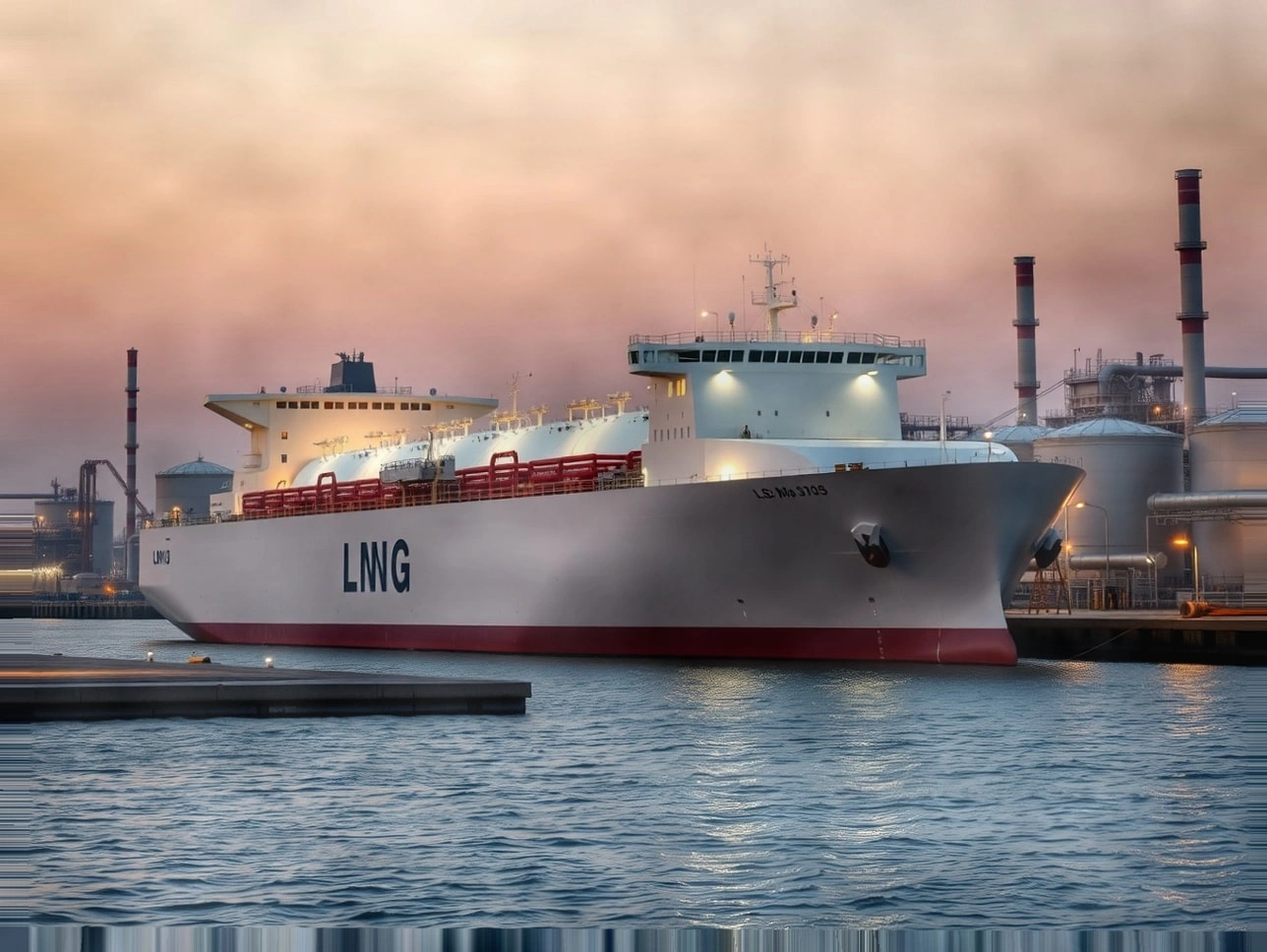
Analyzing the Qatar LNG Supply Shock
The current supply shock primarily affects Qatar's massive North Field expansion project. Specifically, the liquefaction facility in Ras Laffan has experienced a capacity drop due to technical issues. At the same time, planned maintenance on older facilities has exacerbated production shortages. These simultaneous disruptions have created a perfect storm for global liquefied natural gas availability. Additionally, European countries relying on Qatar's winter storage are facing imminent pressure, while Asian buyers with long-term contracts with Qatar are closely monitoring potential supply reductions.
Industry data indicates that Qatar's overall LNG production has decreased by approximately 15-20%. This reduction translates to nearly 4 million tons less liquefied natural gas available in the global market each month. For comparison, this volume could supply Germany with energy for several weeks. The timing is particularly challenging as Northern Hemisphere countries begin preparations for winter. Consequently, benchmark LNG prices have risen in both the Atlantic and Pacific regions.
Force Majeure Risks and Contract Implications
Historical Precedents and Market Memory
Past force majeure events provide important context for the current developments. For instance, Australia's Prelude FLNG facility declared force majeure in 2022 due to a worker strike. Similarly, Freeport LNG experienced severe market fluctuations in 2022 after a fire led to production halts. However, if Qatar were to declare force majeure, the market impact would be unprecedented, as the country supplies about 20% of the global LNG trade. Therefore, even a partial declaration of force majeure would send shockwaves through the global energy market.
Market reactions have already shown increasing anxiety. Since the relevant reports emerged, the Title Transfer Facility (TTF) benchmark price has surged by 40%. Likewise, Asian spot LNG prices have reached their highest levels this year. Although summer replenishment activities continue, the injection rate into European gas storage has slowed. Energy analysts attribute these market fluctuations directly to concerns over Qatar's supply. Additionally, secondary market activities indicate a heightened intent to hedge against further disruptions.
Impact on Global Energy Security
The disruptions in Qatar's LNG supply occur during a period of vulnerability for global energy security. Europe is still grappling with reduced Russian pipeline gas imports. Meanwhile, despite facing economic headwinds, demand growth in Asia remains robust. As a result, the supply shock has created competitive pressures across regions. EU energy ministers have arranged emergency consultations to focus on coordination mechanisms and potential demand reduction measures.
Key Impacts Include:
The table below illustrates recent price movements of major benchmarks:
Technical Challenges and Infrastructure Limitations
Specific technical issues involve Qatar's LNG liquefaction infrastructure. Advanced cooling systems require precise temperature maintenance. Even minor deviations can trigger safety shutdowns. Recent reports indicate