

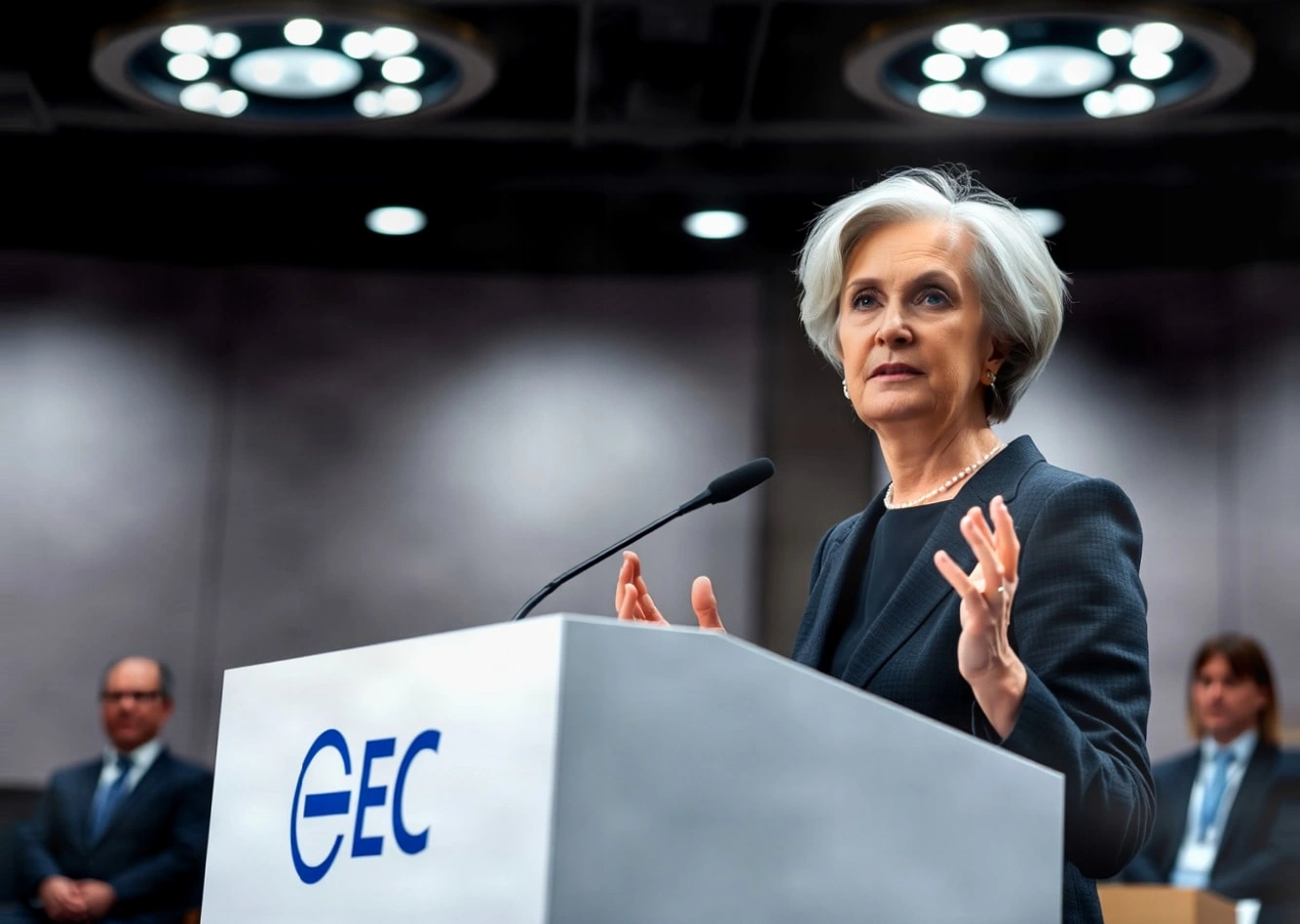
Lagarde's Address Analyzes Pressures in Commodity Markets
In her address to the European Banking Federation, Christine Lagarde detailed specific concerns regarding energy, agricultural, and industrial metals markets. She emphasized the ECB's continuous monitoring of price movements within these sectors. Furthermore, her speech highlighted ongoing unpredictability stemming from geopolitical tensions and climate-related disruptions. Lagarde noted that while some commodity prices have stabilized from their 2022 peaks, the underlying structural issues remain unaddressed. This, in turn, has contributed to persistent inflationary pressures, complicating monetary policy decisions. Market analysts reacted swiftly to her cautious tone, with Eurozone bond yields showing increased sensitivity to her comments on future policy paths.
Lagarde's focus gains particular significance in historical context. Commodity markets experienced unprecedented turbulence during the post-pandemic recovery, exacerbated by the conflict in Ukraine and the subsequent energy crisis. However, 2025 presents new challenges, including transportation disruptions along key global trade routes and climate-induced agricultural shortages. The ECB's attention to these factors indicates that traditional demand-side monetary tools are insufficient to address current economic realities alone. Consequently, policymakers must now incorporate supply-side analysis into their core frameworks.
Supply Bottlenecks: An Enduring Economic Challenge
Lagarde's speech specifically identified manufacturing and logistics bottlenecks as key constraints on European economic growth. Data cited indicated that while delivery times have improved from pandemic extremes, they remain significantly above pre-2020 averages. Moreover, regional disparities within the Eurozone contribute to uneven recovery patterns. For instance, the constraints characterizing Germany's industrial sector differ from those in the service-driven economies of Southern Europe. This complexity necessitates a more nuanced policy response rather than a one-size-fits-all solution.
The following table illustrates key bottleneck indicators mentioned in the ECB's analysis:
These persistent issues contribute to what Lagarde termed "frictional inflation" – price increases driven by supply constraints rather than excess demand. This phenomenon particularly affects intermediate goods and components crucial for European manufacturing. Furthermore, while initiatives for reshoring and nearshoring are viewed as strategic measures,