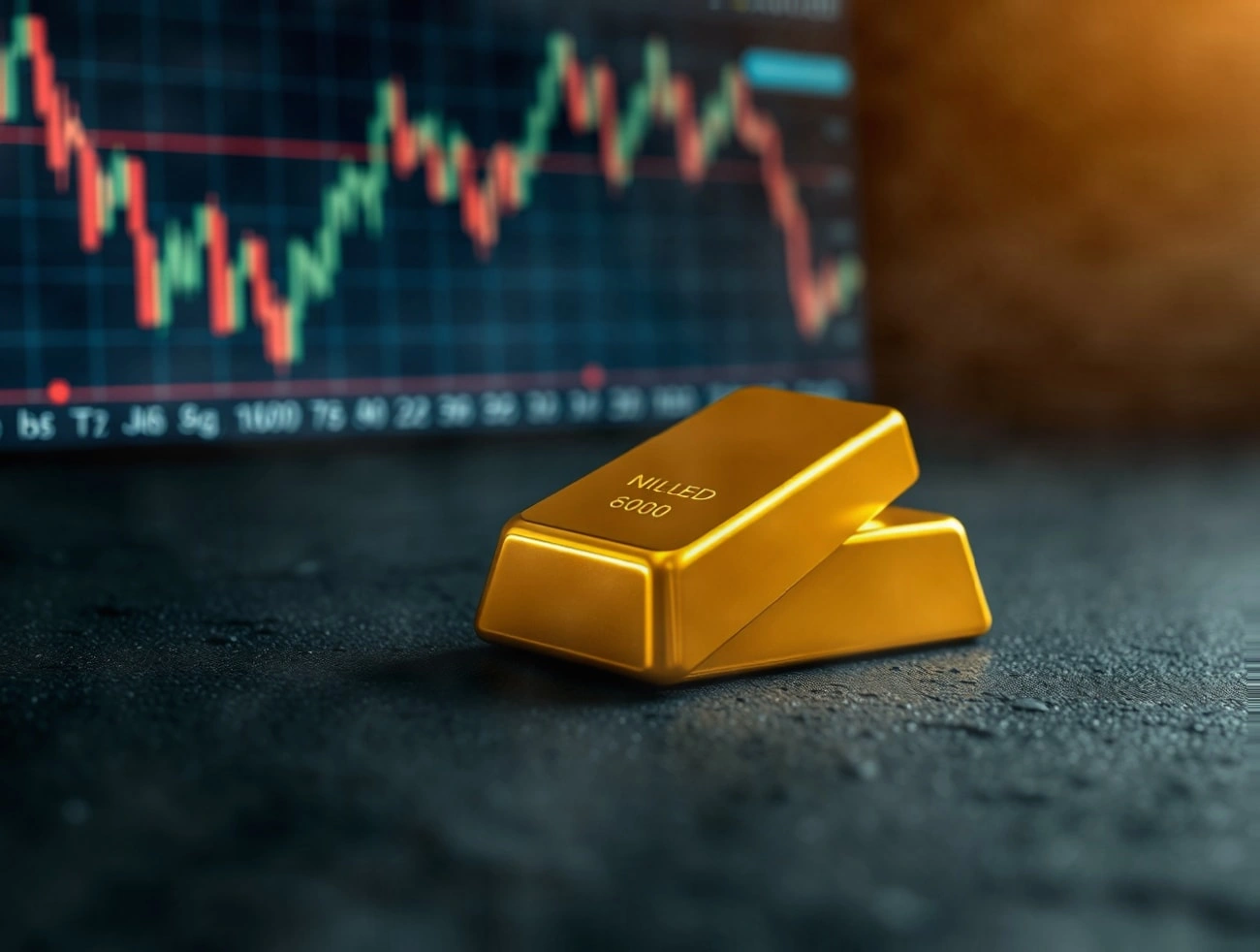
Gold prices face pressure this week amid the Fed's hawkish outlook, with a stronger dollar and rising Treasury yields further dampening market sentiment. Analysts warn investors to reassess their holdings.
This week, gold prices in global markets have faced significant downward pressure, primarily due to the unexpectedly hawkish monetary policy outlook from the U.S. Federal Reserve (Fed). As a result, a stronger dollar and rising Treasury yields have posed substantial headwinds for this non-yielding precious metal. Market analysts note that investors are reassessing their positions amid shifting central bank signals, with gold facing short-term challenges.
Gold's Reaction to Fed Policy Signals
The immediate catalyst for the gold sell-off stems from the latest Federal Open Market Committee (FOMC) minutes and subsequent Fed officials’ comments. The Fed clearly indicated it will take more aggressive measures than many market participants anticipated to tackle persistent inflation. Consequently, expectations for rate cuts have been pushed back to 2025. This adjustment has had a direct and profound impact on gold’s fundamental valuation.
Higher interest rates increase the opportunity cost of holding gold, which pays no interest or dividends. At the same time, rising rates typically strengthen the dollar, and since gold is priced in dollars, a stronger dollar raises the cost for holders of other currencies to buy gold, suppressing international demand. Recent trading data shows spot gold has fallen below the psychological $2300/oz level, which had been defended for weeks.
Monetary Policy’s Impact Mechanism on Commodities
To understand the pressure on gold prices, one must examine the transmission mechanism of Fed policy. A hawkish Fed stance means maintaining higher policy rates for longer or even further hikes. This move directly affects several key financial variables.
Historical analysis reveals a strong inverse correlation between U.S. real yields and gold prices over the past two decades. For example, during Fed tightening cycles in 2013 and 2018, the gold market experienced significant bear phases. Currently, 10-year Treasury Inflation-Protected Securities (TIPS) yields have risen to multi-month highs, creating an almost perfect headwind environment for gold bulls.
Expert Analysis on Market Dynamics
Market strategists from leading financial institutions have downgraded their gold forecasts. Jane Miller, head of commodities research at a global market advisory firm, stated: “The Fed’s data-dependent stance means every strong employment or inflation report directly weakens gold’s near-term outlook. We are witnessing a classic recalibration where traditional safe-haven flows are being overshadowed by robust rate hike expectations.”
Additionally, data from the World Gold Council shows a marked slowdown in central banks’ physical gold purchases in the latest quarter, a sector that had previously provided strong support to the gold market.
0 comment A文章作者M管理员
No Comments Yet. Be the first to share what you think
❯
Profile
Search
Checking in, please wait...
Click for today's check-in bonus!
You have earned {{mission.data.mission.credit}} points today