

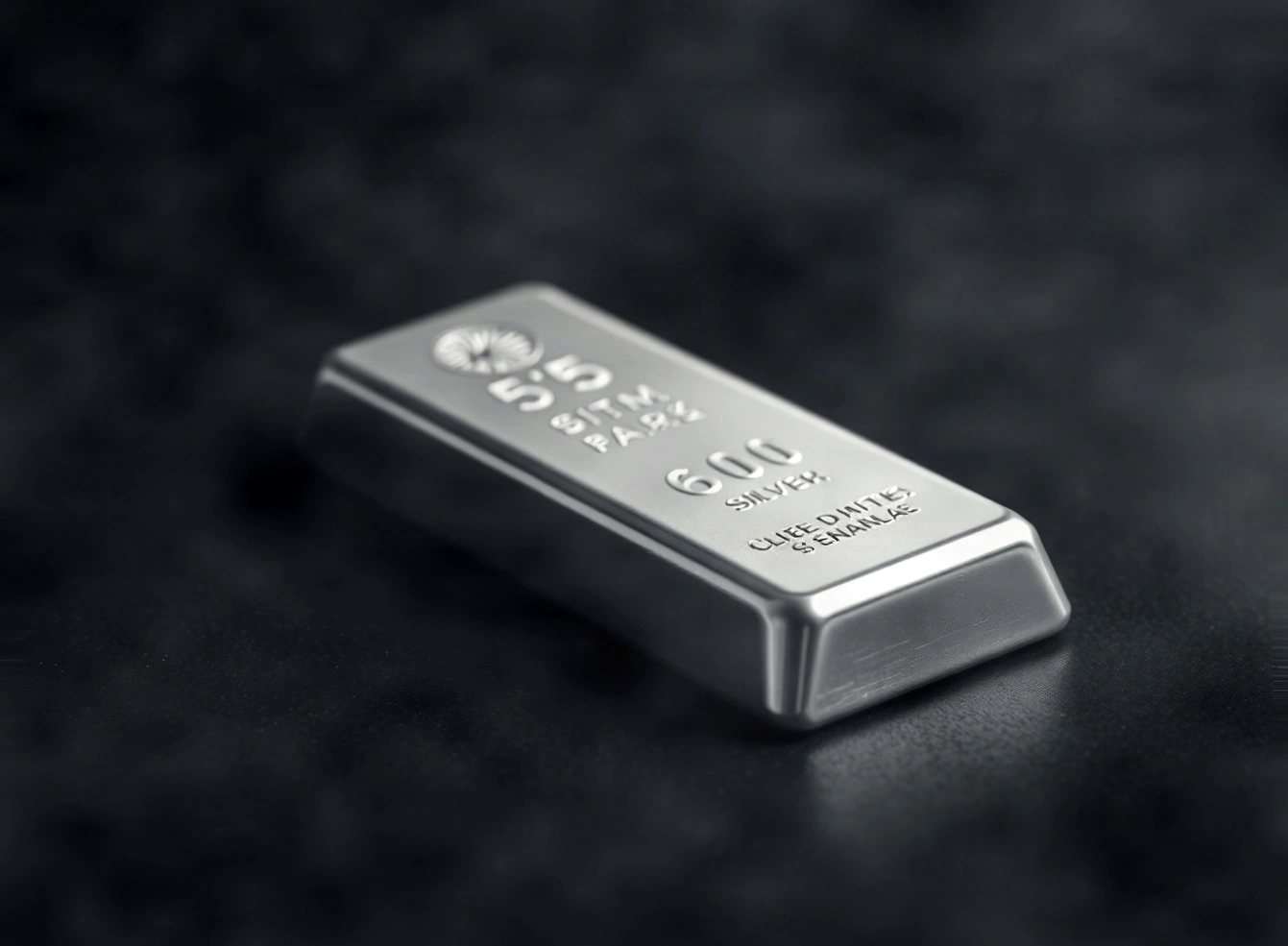
The global precious metals market is under renewed scrutiny, with forecasts for the price of silver (XAG/USD) indicating continued pressure below a critical technical threshold. According to recent chart analysis, the 50-day Simple Moving Average (SMA) is currently acting as a formidable resistance level. Analysts are therefore pointing to persistent downside risks for the silver price. This technical development aligns with shifts in the macroeconomic landscape and evolving central bank policies, signaling a complex environment for investors and traders to monitor.
Silver Price Forecast: Decoding the 50-Day MA Stalemate
The 50-day SMA for XAG/USD serves as a crucial indicator of medium-term trend direction, with historical data showing its reliability in reflecting market sentiment. The current inability to reclaim levels above this average suggests underlying weakness. Technical analysts observe that each attempt at a rebound has been met with selling pressure near this zone, a pattern that indicates consolidating bearish forces. Furthermore, the moving average itself has begun to tilt downwards, adding to the negative technical outlook. Market participants often view sustained breaks below this level as confirmation of a broader downtrend.
Below the current price, several key support levels are coming into view. The area around $28.00 per ounce represents the first major test, followed by the $27.20 region. A break below these supports could accelerate selling pressure. Conversely, a decisive close above the 50-day SMA, which currently hovers near $29.50, would require a significant catalyst. Volume patterns during recent declines also offer critical insights. Notably, trading volume on down days has exceeded that on up days, confirming the presence of institutional selling rather than mere retail profit-taking.
Macroeconomic Headwinds Intensify Pressure on Silver Prices
Beyond the technical charts, fundamental factors are also exerting significant pressure on the silver price forecast. The primary drivers remain the trajectory of U.S. interest rates and the strength of the U.S. dollar. The resilience of the U.S. economy, coupled with persistent inflation concerns, has pushed back market expectations for Federal Reserve rate cuts. Higher interest rates increase the opportunity cost of holding non-yielding assets like silver. Simultaneously, a strong dollar makes dollar-denominated commodities more expensive for foreign buyers, dampening demand.
While industrial demand is a key differentiator for silver compared to gold, its outlook is currently mixed. Despite strong long-term growth potential in areas like solar photovoltaics and green technologies, recent manufacturing data from key regions has been sluggish. The Silver Institute reported a 5% year-on-year decline in industrial fabrication in the first quarter. This slowdown tempers optimism based on structural demand growth. Geopolitical tensions, while sometimes providing support, have failed to attract sustained safe-haven inflows as capital...