

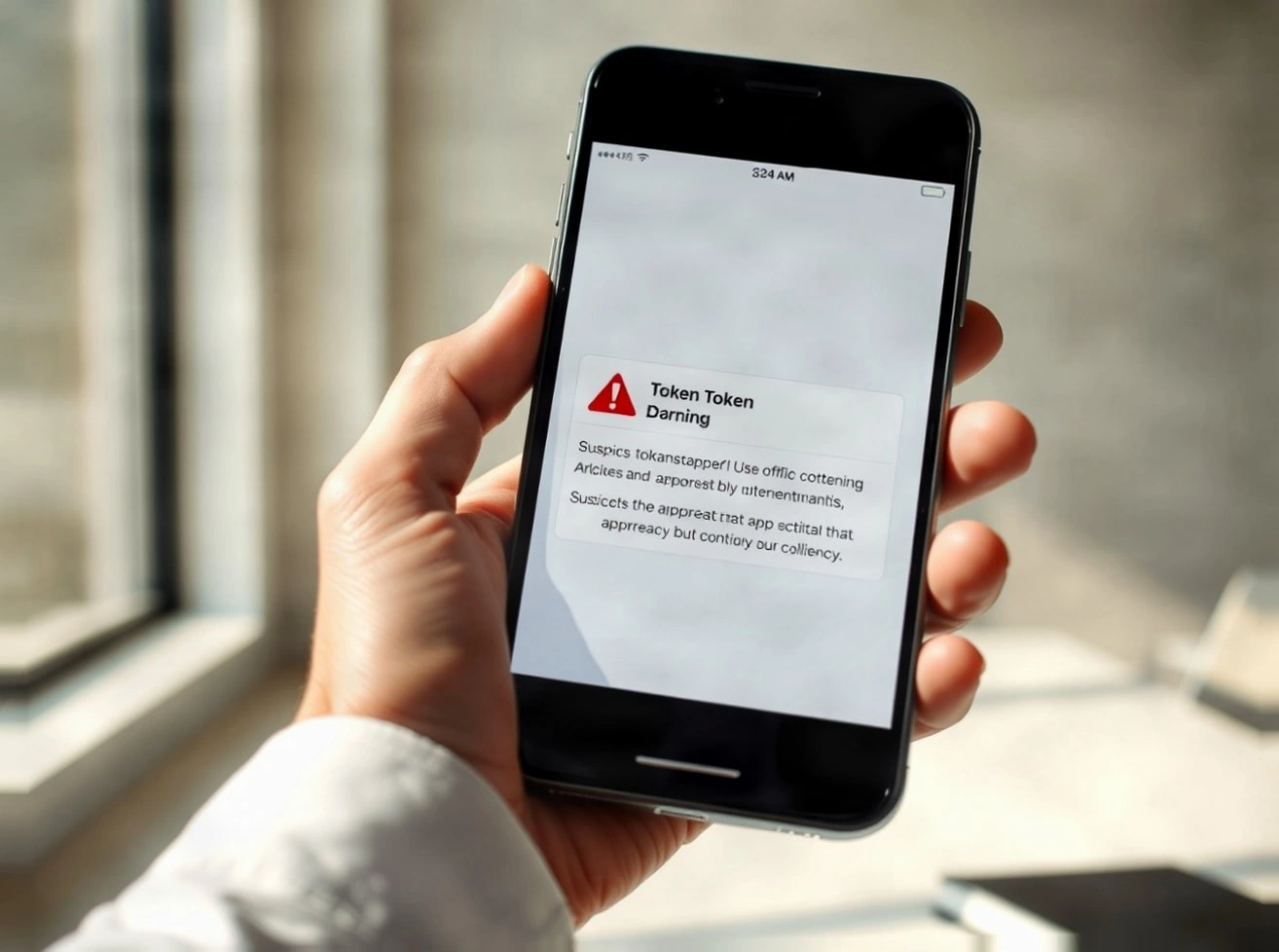
The U.S. Federal Bureau of Investigation (FBI) has recently issued a stern warning, exposing the proliferation of sophisticated fake tokens on the TRON blockchain network. The FBI's New York office specifically cautioned cryptocurrency users to be wary of fraudulent TRC-20 tokens that impersonate legitimate institutions, marking an escalation in digital asset security threats. Previously, numerous reports indicated that TRON wallet holders were becoming targets of coordinated attacks, where perpetrators used deceptive token distributions to steal user information.
FBI Unveils TRON Fraud Tactics and Direct Threats
The FBI detailed the specific modus operandi of this emerging cryptocurrency threat. Attackers first send unsolicited TRC-20 tokens to users' wallets on the TRON network. Subsequently, these malicious actors contact victims through associated websites or communication platforms, falsely claiming that their assets may be frozen due to alleged anti-money laundering (AML) violations, and demand personal identification information as a pretext. This strategy combines blockchain manipulation with psychological pressure.
Blockchain security analysts point out that these fake tokens often mimic legitimate financial instruments or government-backed digital assets, with their token names and metadata meticulously designed to appear official and trustworthy. Security researchers have identified several common characteristics of these fraudulent assets:
TRON Network Security Background and Historical Vulnerabilities
Founded by Justin Sun in 2017, the TRON blockchain has evolved into one of the most active networks for decentralized applications and token transactions. Its TRC-20 token standard is similar to Ethereum's ERC-20, allowing developers to create custom digital assets with relative ease. While this flexibility fosters innovation, it also provides a pathway for malicious actors to deploy fraudulent tokens quickly and at low cost.
Blockchain forensics firms have documented a rising trend in fraudulent activities on the TRON network in 2024. The network's low transaction fees and fast transaction confirmation times make it attractive to both legitimate users and criminals. Security experts note that TRON, due to its widespread use in stablecoin transactions (especially USDT-TRON), has become a prime target for impersonation-based fraud. The following table illustrates the growth of security incidents on the network:
Experts Analyze Impersonation Threat Vectors
Cybersecurity experts emphasize the psychological complexity of such attacks. Dr. Elena Rodriguez, a blockchain security researcher at Stanford University, explained the social engineering component: "These criminals exploit users' inherent trust in official communications," she stated. "When a seemingly legitimate token appears in your wallet, followed by an official warning about AML violations, it creates immense psychological pressure."
Furthermore, the technical aspects...