

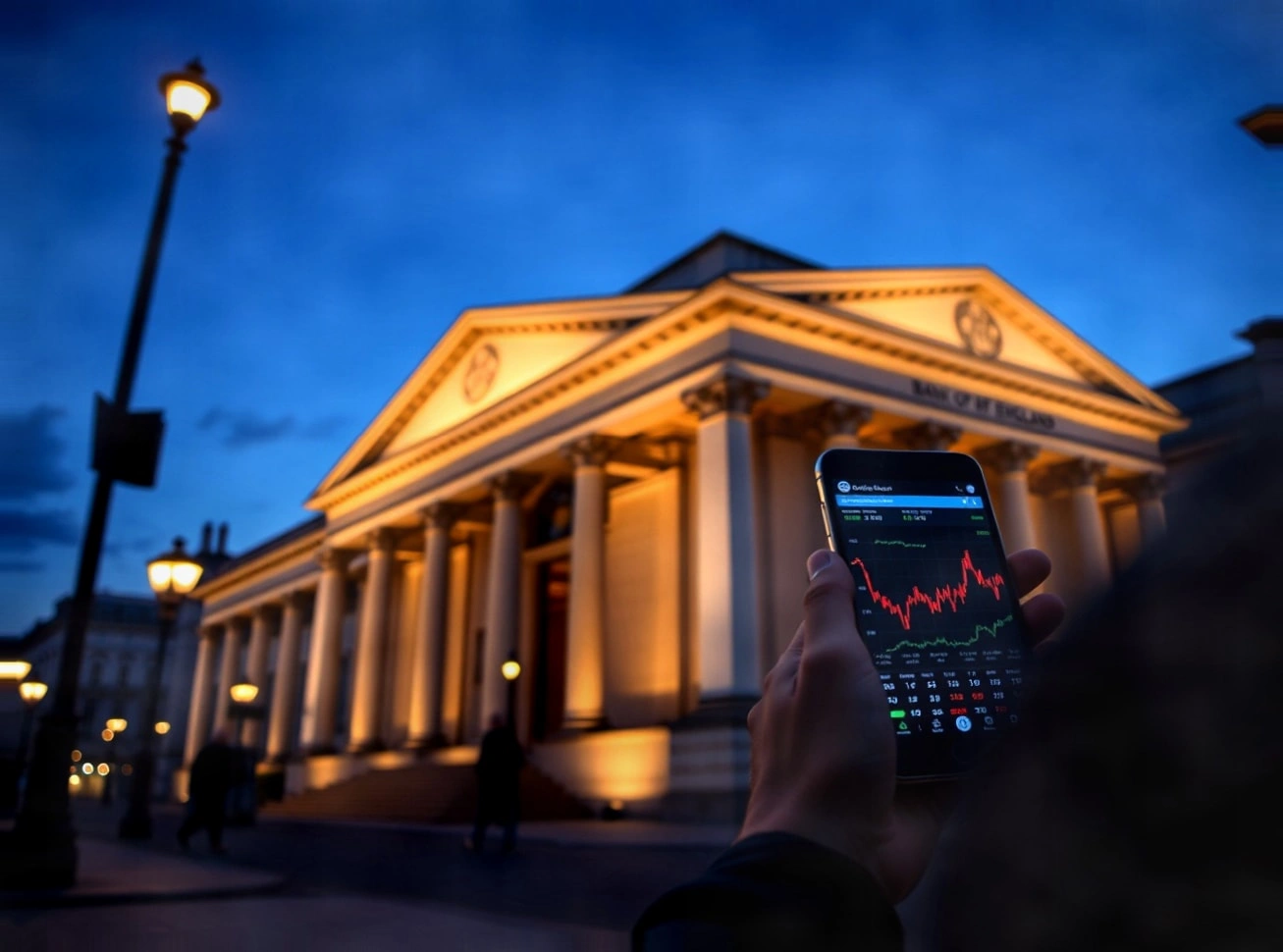
Sterling experienced its most dramatic single-day surge in over a decade on Thursday, soaring nearly 3% against the US dollar after the Bank of England enacted a unanimous policy shift that caught markets entirely off guard. This unprecedented move by the UK's central bank sent shockwaves through global financial markets, fundamentally altering short-term expectations for British monetary policy and triggering massive adjustments in global FX portfolios.
Sterling/Dollar Hits Record Highs Post-Policy Announcement
Within hours of the Bank of England's announcement at 12:00 PM GMT, the Sterling/Dollar exchange rate rapidly climbed from the 1.2350 level, decisively breaking through the psychologically significant 1.2700 barrier. Market data indicated this represented the largest single-day percentage gain for the pair since the Brexit referendum in 2016. Trading volumes on major FX platforms surged to approximately 300% of their 30-day average, signaling substantial position adjustments by institutional investors. Furthermore, implied volatility in Sterling options spiked to an eight-month high, reflecting extreme market uncertainty regarding future currency movements.
The dramatic price action unfolded in three distinct phases. Initially, Sterling jumped 80 basis points within minutes as traders digested the primary decision. This was followed by a second wave of buying, pushing the rate up another 120 basis points, as analysts noted the unanimous 9-0 vote tally. Finally, comments from Governor Andrew Bailey during the press conference regarding persistent inflation concerns triggered the final surge, breaking through multiple technical resistance levels. Market participants reported significant stop-loss order triggers above 1.2500 and 1.2600, accelerating the upward momentum.
Bank of England's Unanimous Decision Breaks Recent Pattern
The Monetary Policy Committee's decision to hold interest rates steady at 5.25% marked a significant departure from recent meetings, which had seen increasingly divided votes. Previously, the committee had been split between a hawkish contingent advocating for further rate hikes and a dovish faction leaning towards cuts. This month's unanimous stance is the first time a full consensus has been reached since November 2021, signaling a notable consolidation in policy views. The accompanying statement removed previous language about 'further tightening' while warning that rates would need to remain at restrictive levels for 'a considerable period'.
Several key factors underpinned this synchronized pivot. Recent inflation data showed services inflation remaining stubbornly high at 6.1%, well above the Bank's 2% target. However, forward-looking indicators pointed to weakening domestic demand and softening labor market conditions. The committee also cited global economic headwinds, particularly slowing growth in the Eurozone and China, which could dampen UK export prospects. This balanced assessment of persistent inflationary pressures alongside potential economic slowdown was crucial in facilitating the policy unanimity.