

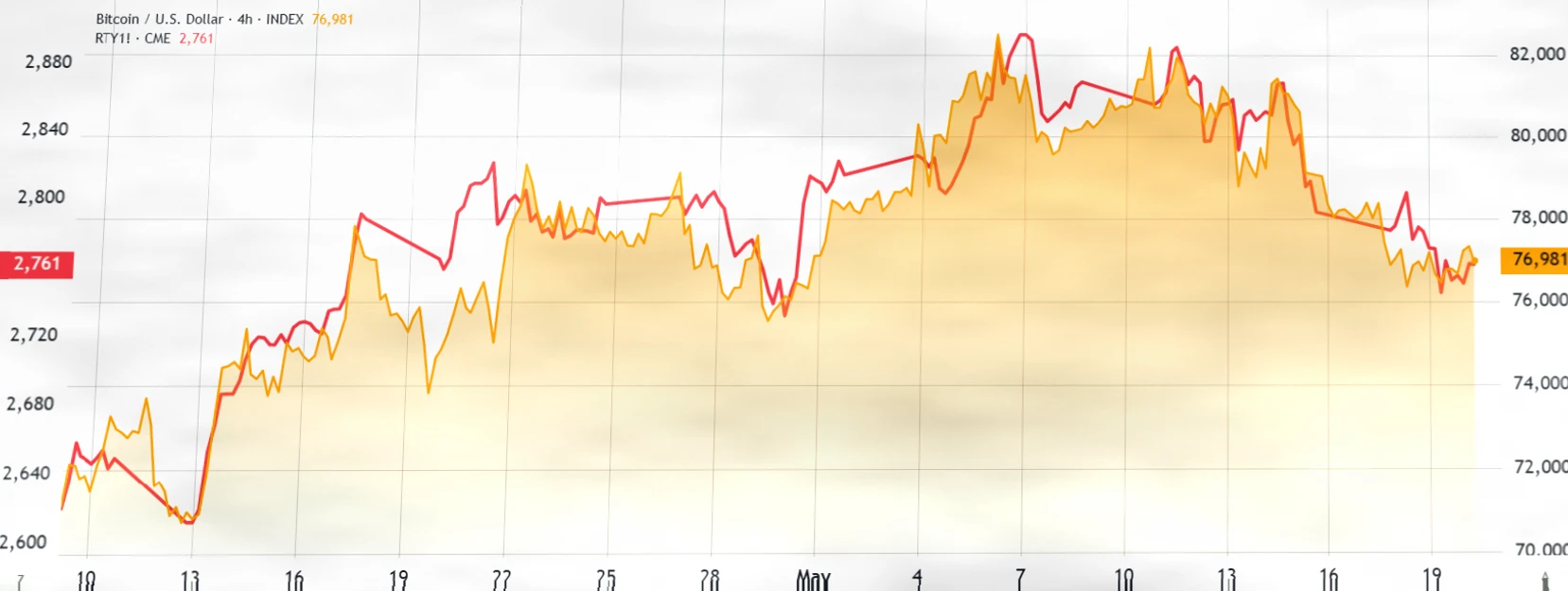
Bitcoin's price movement is closely tied to the U.S. small-cap stock index, indicating that the current rally is driven by macroeconomic factors. The Russell 2000 index excludes the top 1,000 companies, avoiding the heavy concentration in tech stocks.
As of Tuesday, U.S.-listed spot Bitcoin ETFs have seen an outflow of $2 billion over the past week, raising concerns that Bitcoin's price may further dip below $75,000.
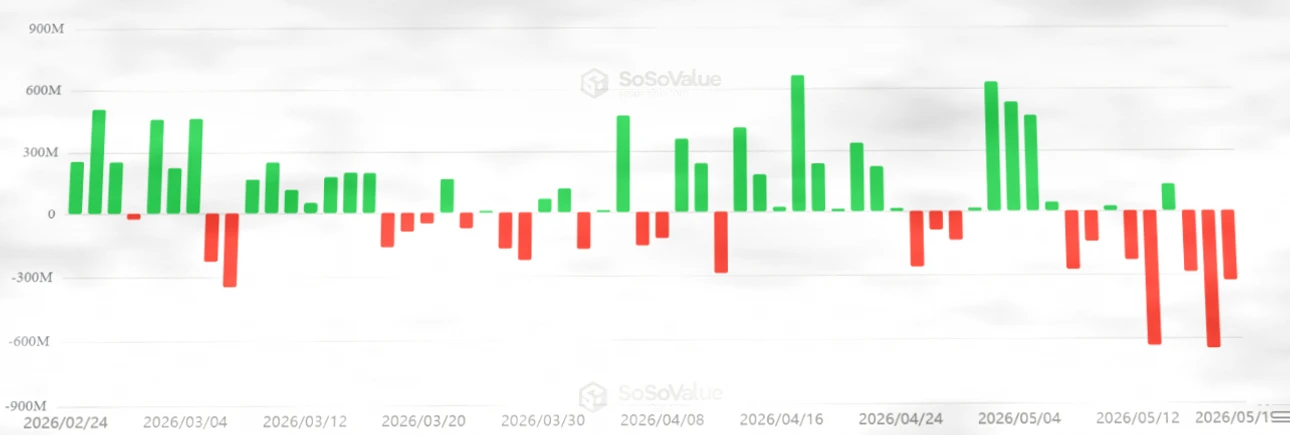
According to SoSoValue, the daily net flow of U.S.-listed spot Bitcoin ETFs is illustrated in the chart.
Meanwhile, the flow of stablecoins in China shows a weakening demand for cryptocurrencies.
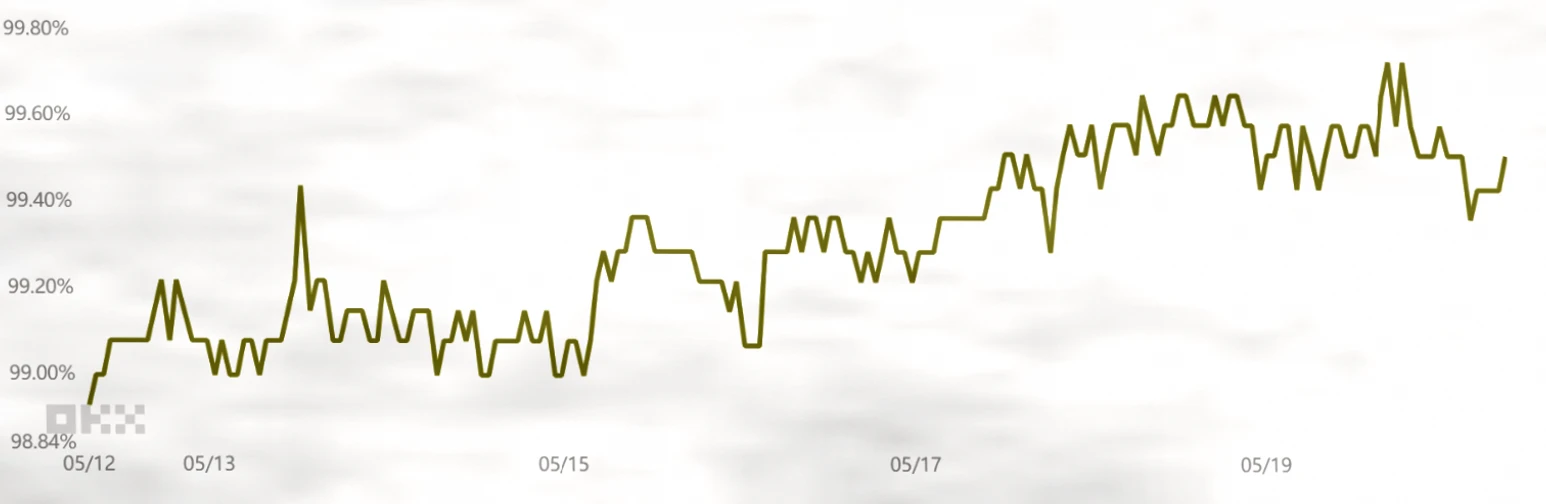
The premium/discount of stablecoins relative to the USD/CNY exchange rate indicates that stablecoins are trading at a 0.4% discount, reflecting an increased demand for exiting the crypto market. Under normal circumstances, this metric typically maintains a premium of 0.3% to 0.8% due to China's strict capital controls and regulatory risks associated with arbitrage trading.
The market's risk-averse sentiment is partly driven by stubborn oil prices and soaring U.S. Treasury yields. The selling pressure on government bonds reveals concerns about the Federal Reserve's ability to prevent an economic recession without triggering significant currency depreciation.
High energy costs are fueling persistent inflationary pressures, ultimately limiting the central bank's ability to adopt expansionary monetary policies.
The demand for downside protection on Bitcoin prices reflects a lack of confidence among investors. Despite strong performance in tech stocks, broader economic risks remain. Meta (META US) announced a global layoff of 10%, while Cloudflare (NET US) plans to cut 20% of its workforce. On Wednesday, Intuit (INTU US) CEO confirmed the company will lay off 17% of its staff.
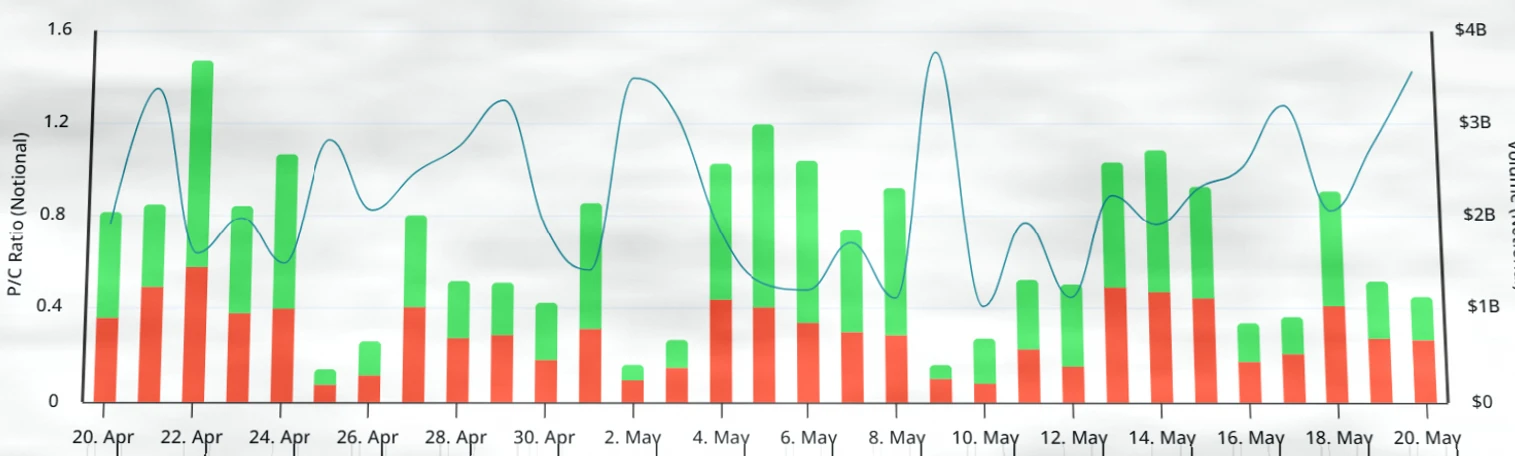
Macroeconomic trends and high-risk AI earnings expectations continue to dominate the news flow, making it difficult for Bitcoin to regain sustained bullish momentum. If Nvidia's performance fails to meet investor expectations, Bitcoin may test the $75,000 level again. However, the $2 billion outflow from spot Bitcoin ETFs is more reflective of past conditions and is unlikely to indicate a structural bearish outlook.