

Over the past year, cryptocurrencies and blockchain technology have become increasingly integrated into Canada's core financial system.
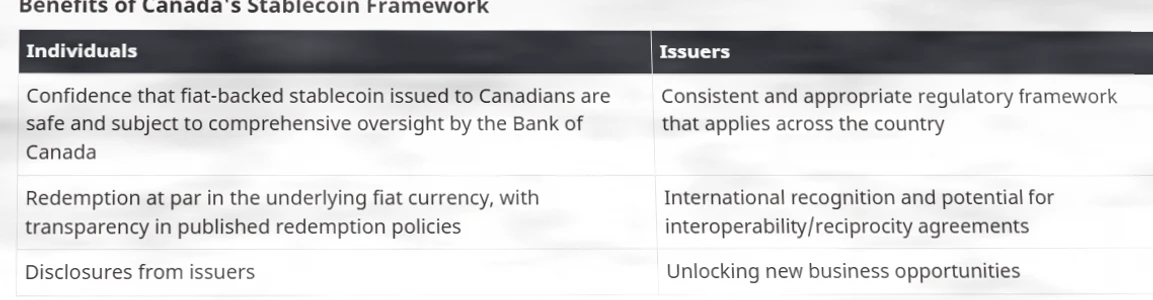
In November 2025, Canada officially enacted the 'Canadian Stablecoin Act,' regulating stablecoins and granting the Bank of Canada authority over the country's stablecoins.
Concurrently, regulators are refining legal amendments for crypto asset funds, covering areas such as cold storage and custody services.
These initiatives underscore the Canadian government's pragmatic, regulation-first approach to cryptocurrency development, led by Prime Minister Mark Carney.
Enhanced Regulation and Higher Standards Set a New Bar for the Crypto Industry
Since Prime Minister Mark Carney took office last year, industry observers have widely anticipated a cautious regulatory stance from Canada on cryptocurrencies. Carney himself has previously expressed skepticism, stating, 'Cryptocurrencies, at best, are used by a few people in a limited way as money, and only in parallel with traditional money for users. In short, they are failing.'
Nevertheless, he has called for regulation in the crypto space, recognizing its underlying technology's potential to 'improve financial stability, support more innovative, efficient, and reliable payment services, and have broader applications.'
In May 2025, Morva Rohani, Executive Director of the Blockchain Association of Canada, remarked, 'With the Liberal Party under Mark Carney's leadership, we anticipate a pragmatic yet regulation-first strategy for cryptocurrencies and stablecoins.'
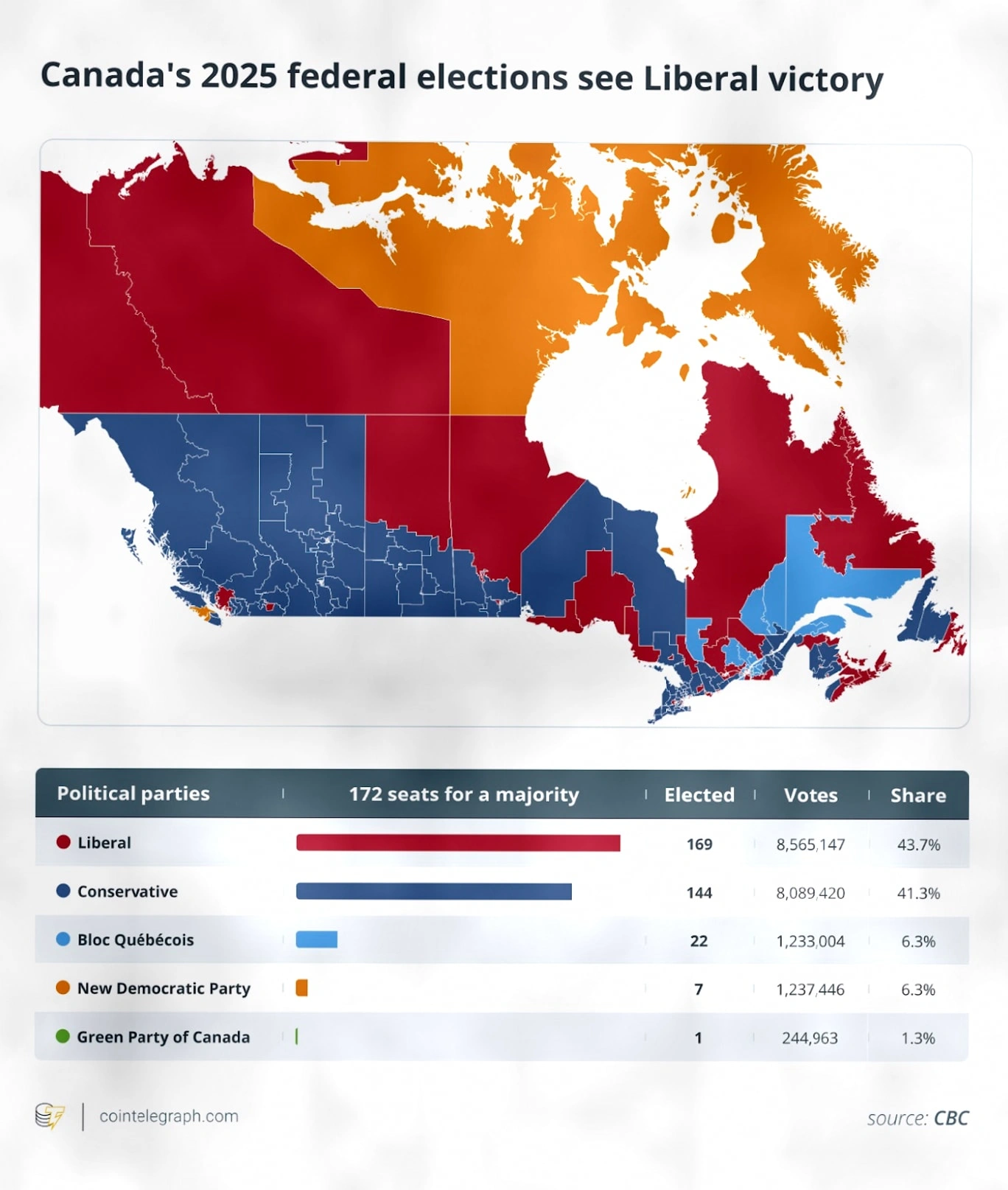
Prioritizing regulation signifies that Canada is significantly increasing its scrutiny and standards for the cryptocurrency industry.
Naveen Maher, Chief Compliance Officer at Canadian crypto exchange WonderFi, noted that the Canadian Securities Administrators (CSA) has eliminated the 'restricted dealer' registration category. This category was originally established for specific companies not fitting traditional dealer categories, such as crypto trading platforms. Now, these companies must become fully registered as investor dealers with the CSA and join the Canadian Investment Regulatory Organization (CIRO), a national non-profit self-regulatory organization.
This change has driven some industry consolidation. 'This is a significant shift that has weeded out participants who were in a transitional phase, expecting rules not to tighten,' Maher stated.
WonderFi, through its trading platform Coinsquare, 'made the early decision to register fully with CIRO.' While this required substantial investment and compliance efforts, the company can now 'operate under the highest regulatory standards in Canada.'
'Companies that delayed their transition will now face a more arduous challenge,' Maher added.
Furthermore, regulators are revising National Instrument 81-102, the primary Canadian regulation concerning investment funds and mutual funds.