Recently, international crude oil prices have surged significantly, with Brent crude already surpassing $105 per barrel, accumulating a roughly 50% increase since geopolitical tensions escalated. If oil supply shocks persist, U.S. inflation could rise to 5%, potentially delaying the Federal Reserve's interest rate cut plans, and even pushing the expected first rate cut from 2026 to October 2027.
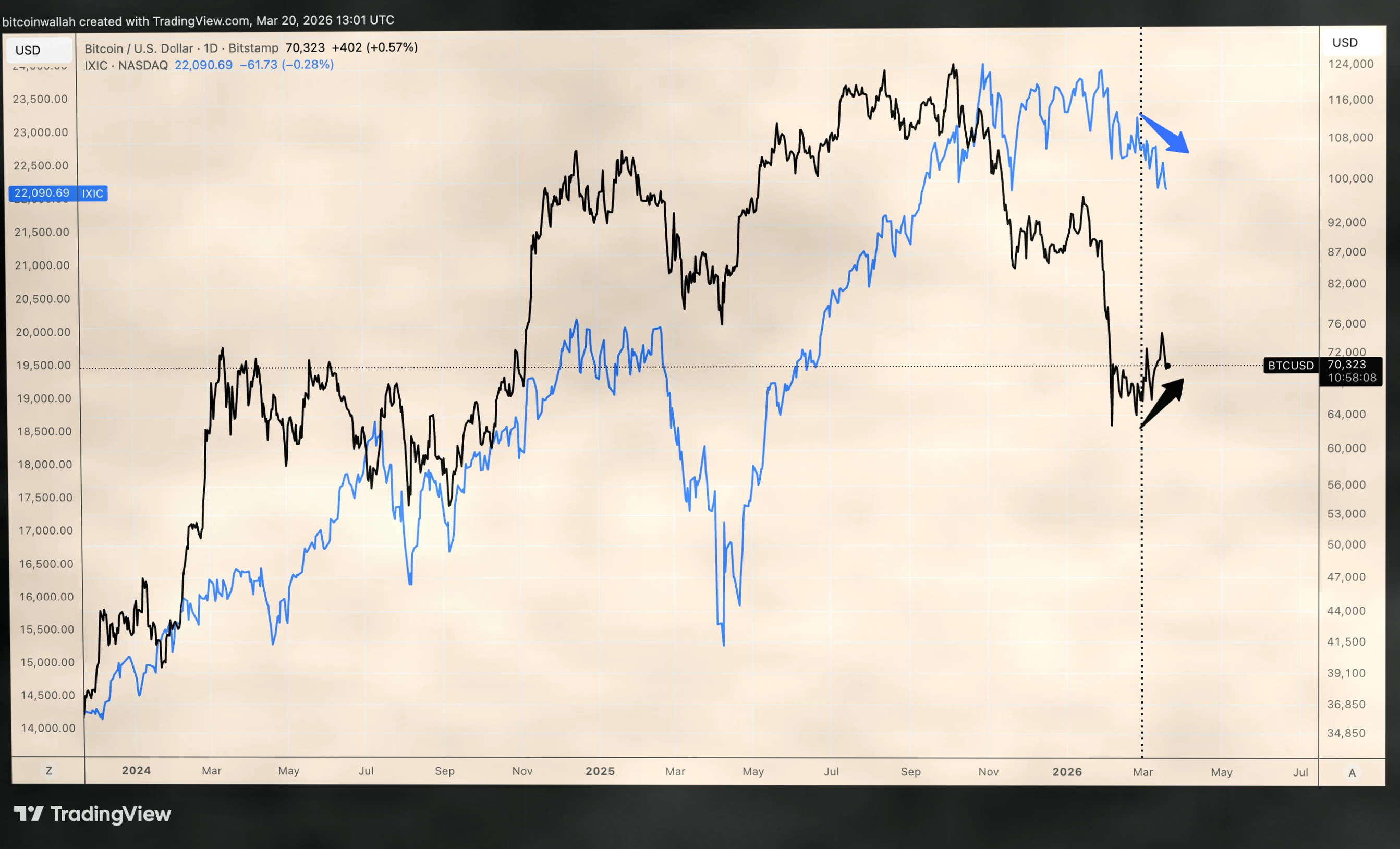
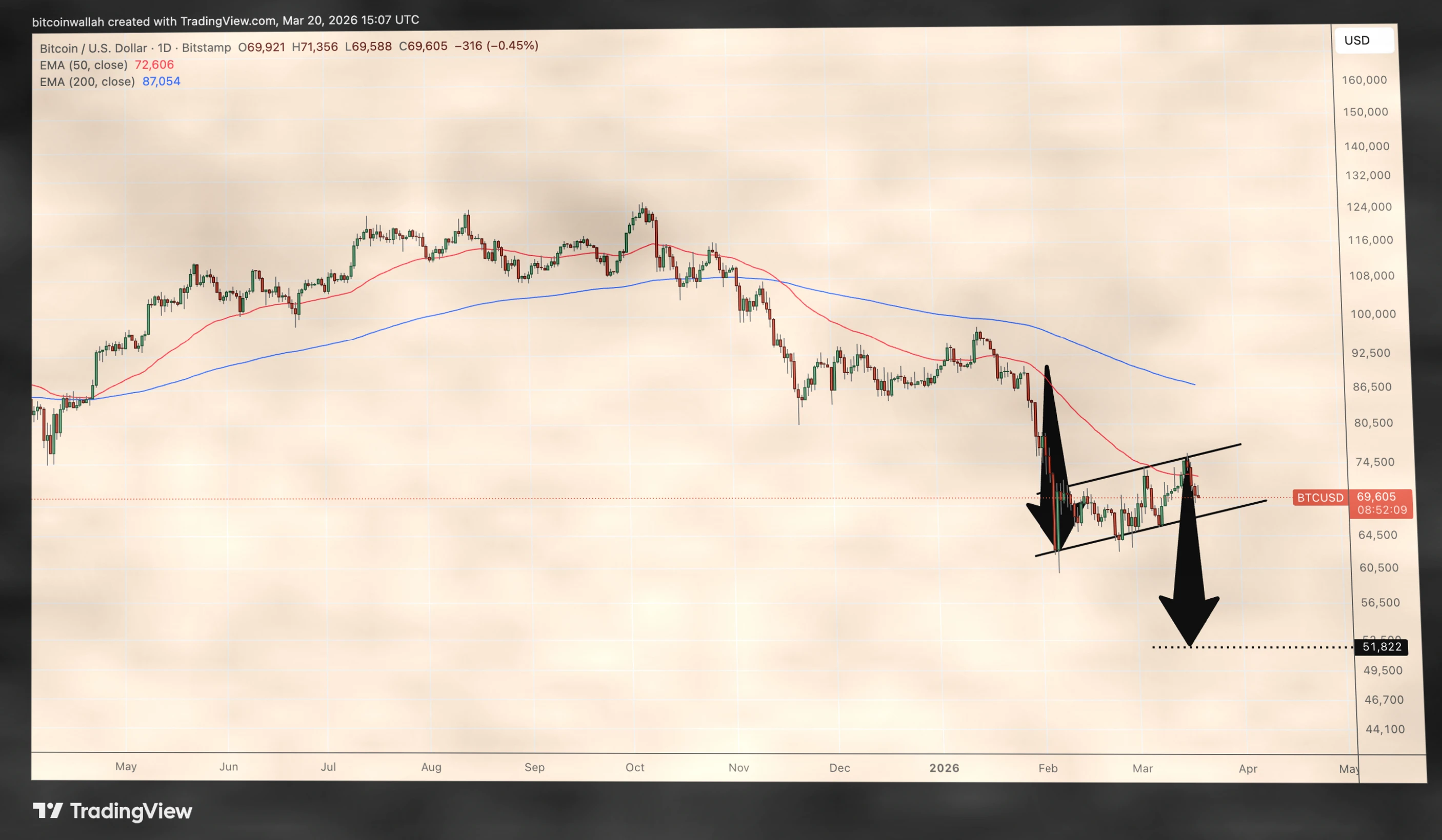
Macroeconomic headwinds could lead to a Bitcoin price drop to $51,000 in the coming months.
Soaring oil prices may exacerbate U.S. inflation and put pressure on Bitcoin.
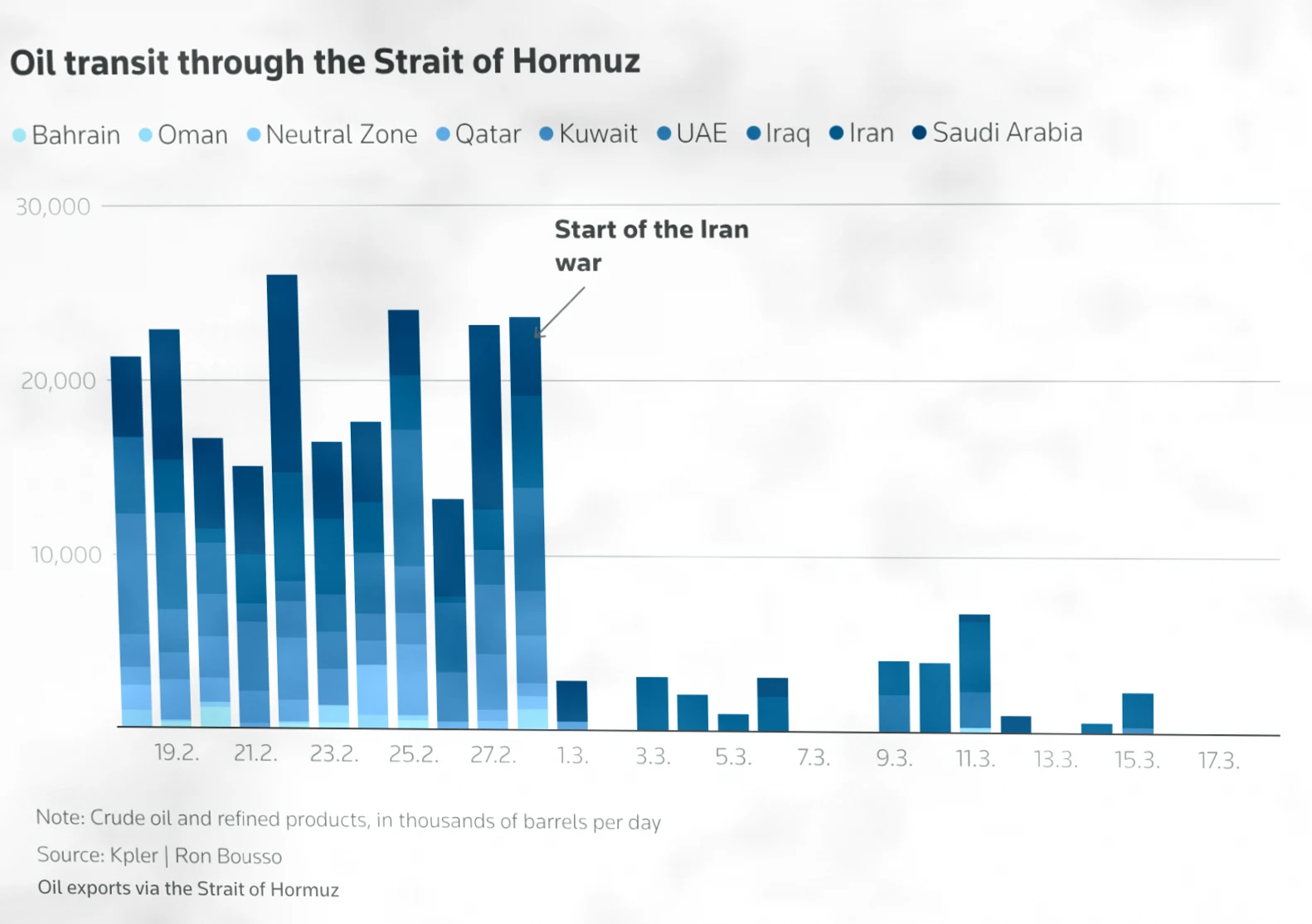
According to Kpler data, as of mid-March, oil shipments through the Strait of Hormuz had decreased to 9.71 million barrels per day from 25.13 million barrels per day in February.
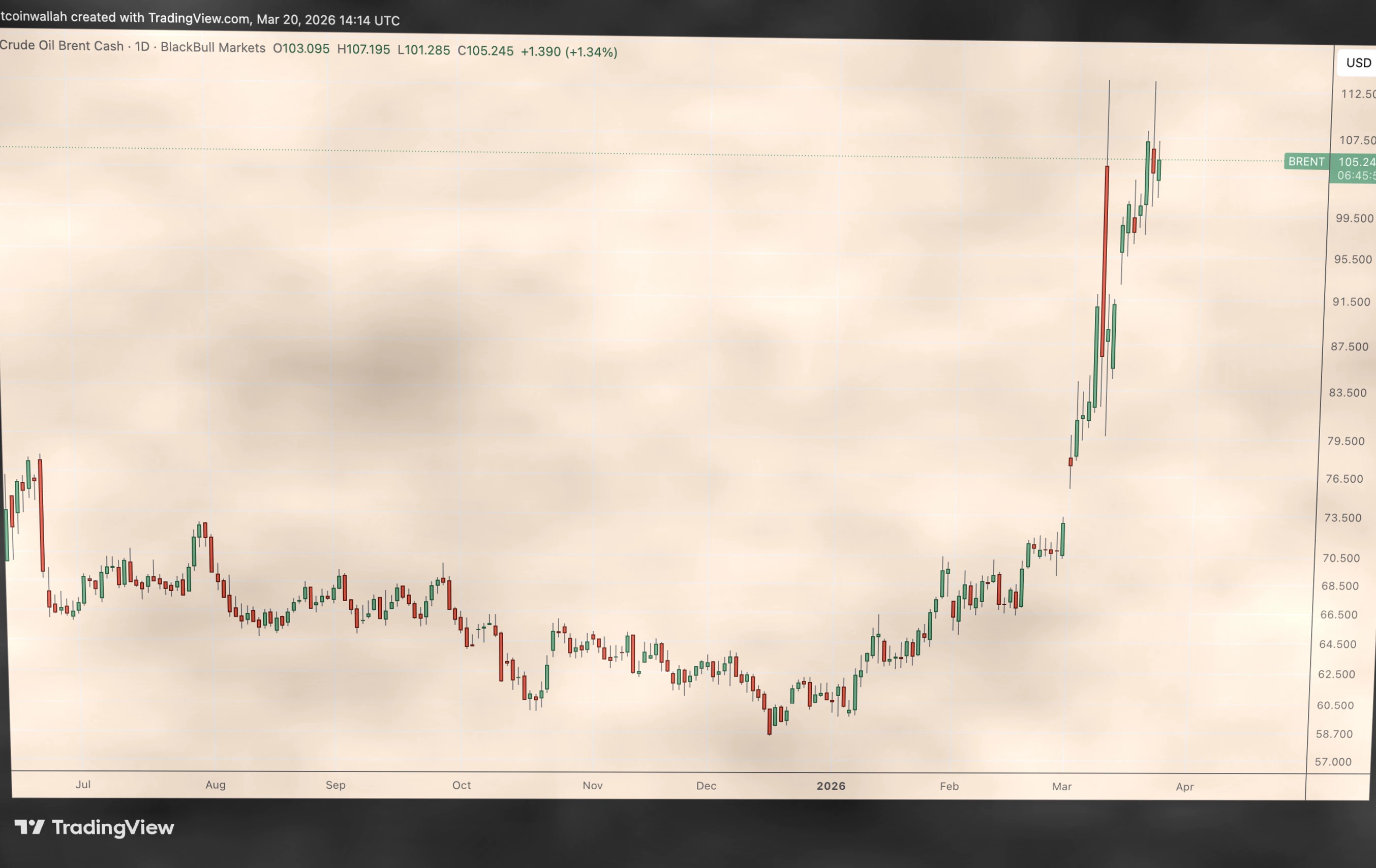
The market has begun to price in this risk. Expectations for policy easing have shifted to a more hawkish stance, with the market no longer anticipating a second rate cut in 2026, and the probability of the first rate cut being pushed to October 2027.
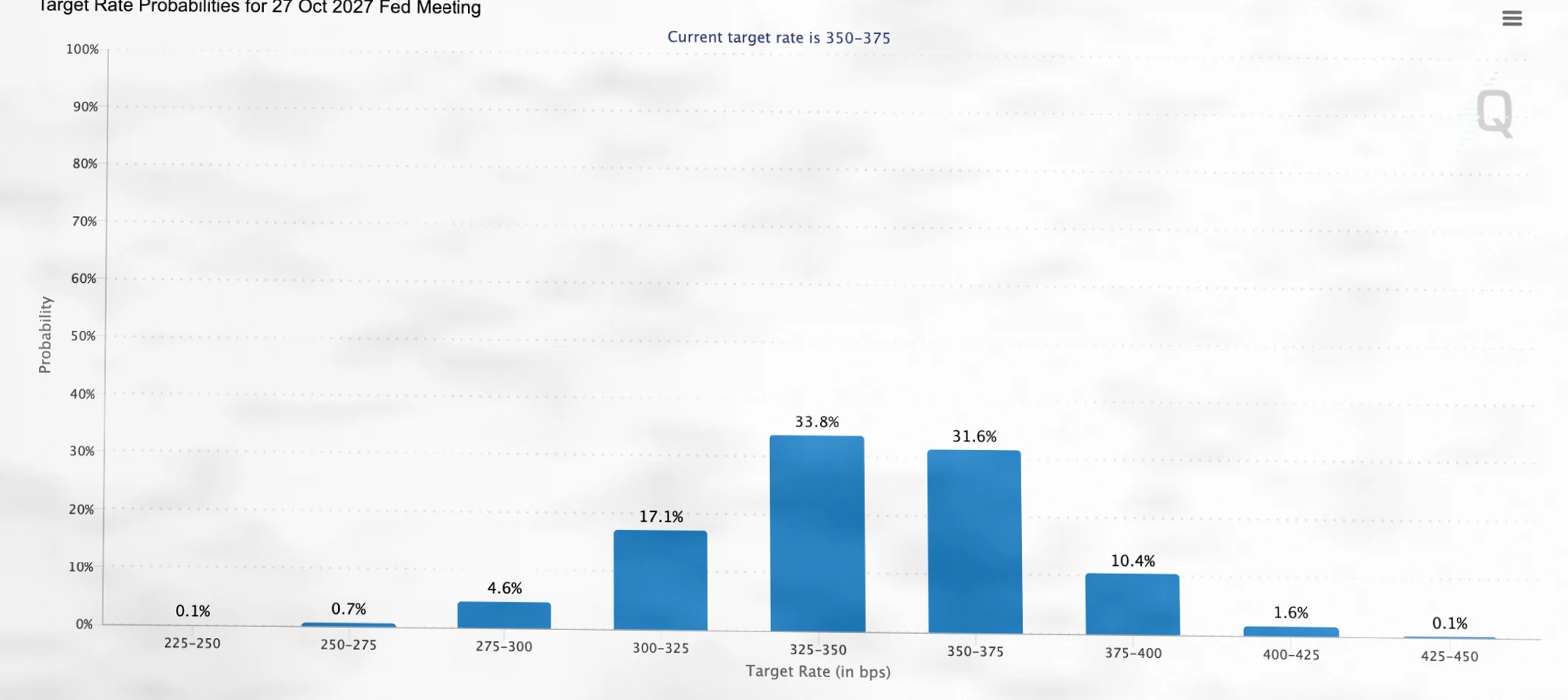
Rising interest rates typically increase borrowing costs, tighten liquidity, and diminish investor interest in risk assets, including Bitcoin and stocks. However, if signs of de-escalation emerge in the conflict, the oil price surge could quickly cool down.
Oil shocks increase the risk of Bitcoin falling to $51,000.
Currently, Bitcoin's upward trend is showing signs of fatigue, and warnings of oil prices potentially soaring to $180 are emerging.
For example, an institution that purchased 22,337 BTC and 17,994 BTC in the week of March 15th and the preceding week, respectively, has not made any new purchases this week.