

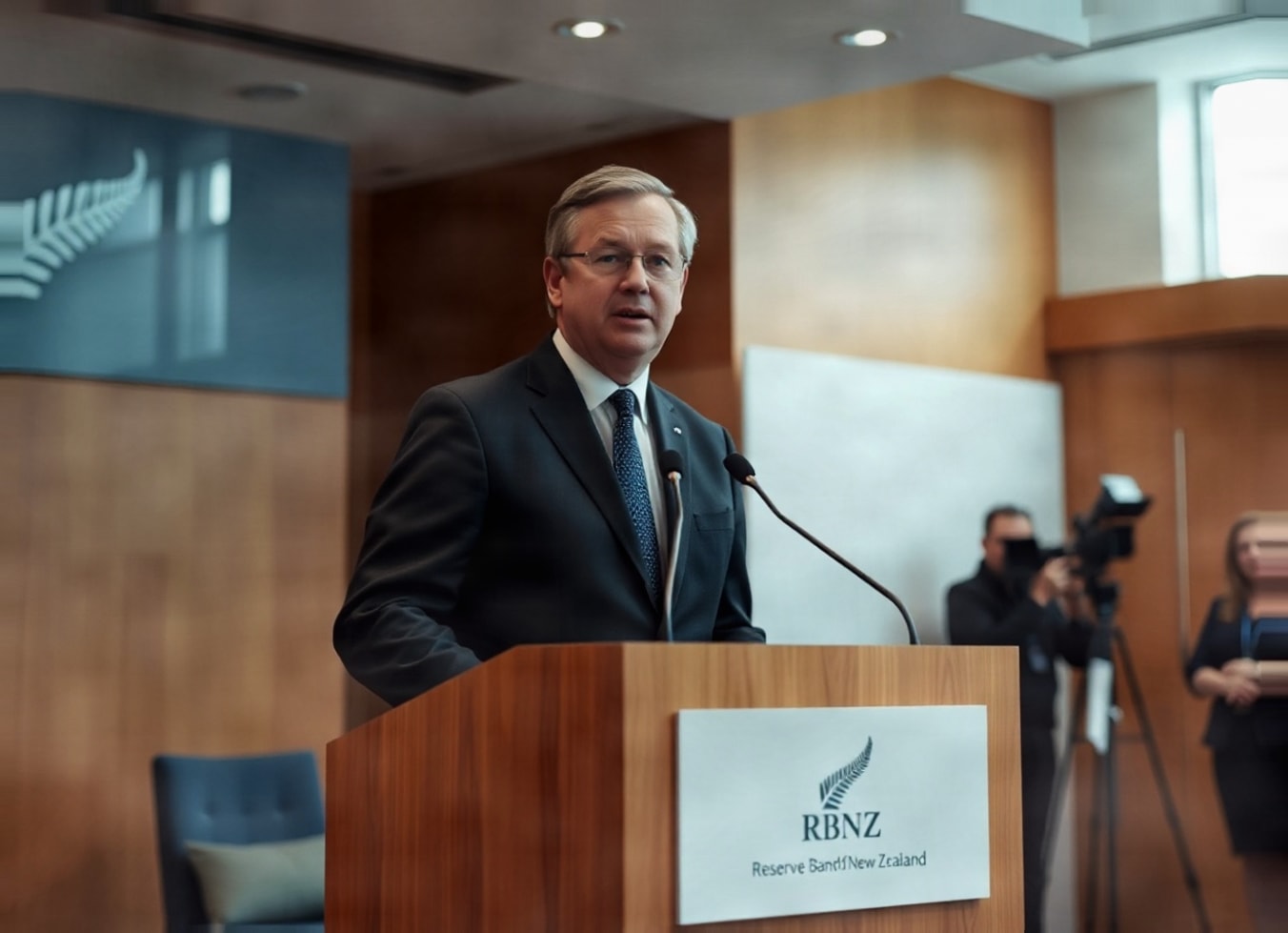
Why RBNZ Holds Steady
Orr emphasized that while overall inflation has retreated from its peak, domestic services inflation and non-tradeable inflation remain elevated. Internal forecasts from the RBNZ indicate that inflation may not return to the target range of 1-3% until late 2024 or early 2025, significantly later than many market participants expect. Orr stated that the Monetary Policy Committee (MPC) believes the current OCR level is sufficiently restrictive, but there is yet to be evidence of a victory over inflation.
Orr also pointed out that geopolitical instability, risks from food and energy price shocks, and the resilience of the domestic labor market are all factors worth monitoring. New Zealand's unemployment rate is near historical lows, and wage growth remains strong, which could fuel persistent inflation if demand does not cool further.
Market Reaction and Future Guidance
Financial markets initially reacted to the news with a slight flattening of the yield curve, as traders reduced bets on rate cuts ahead of the fourth quarter. The New Zealand dollar strengthened slightly against the US dollar, reflecting the hawkish tone. Orr's remarks did not provide specific guidance on the timing of future actions, stating that the MPC would remain “vigilant and flexible.”
He emphasized that the RBNZ has not set any fixed path. “We do not pre-commit to any path for the OCR,” Orr said. “Our decisions will be entirely based on new data inputs and ongoing assessments of inflation and employment risks.” This statement aligns with the central bank's recent shift towards a more communicative approach, aimed at avoiding surprises for the market.
Implications for Borrowers and Businesses
For mortgage holders and businesses, the message is clear: relief from rate cuts will not come quickly. Orr acknowledged that high interest rates are putting pressure on household spending and business investment, but reiterated that lowering inflation remains the top priority. He warned that premature easing could undermine the progress made so far, leading to a second wave of inflation that would require more aggressive tightening.
Economists now have differing views. Some expect the RBNZ to begin cutting rates in early 2025, while others believe the domestic economy is weaker than official data suggests, and a recession may force the RBNZ to act sooner. Orr's remarks did not resolve this debate but rather underscored the central bank's preference for patience.
Orr's comments following the meeting highlighted the RBNZ's determination to continue its work in combating inflation.