

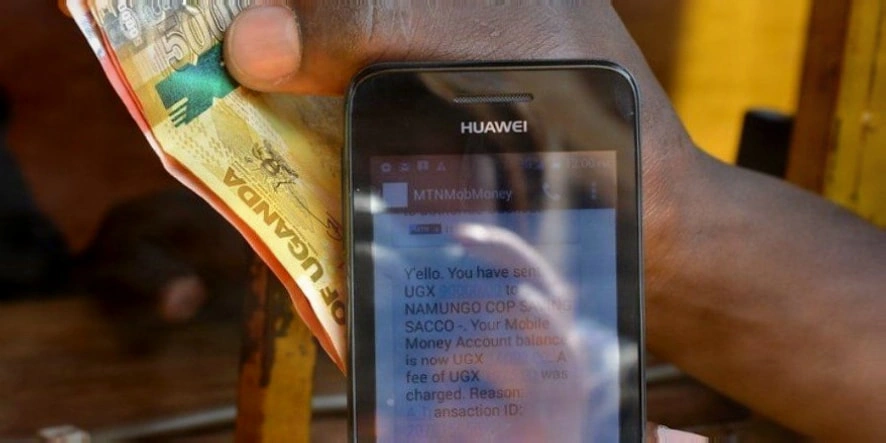
At 3:15 AM, a taxi driver discovered his M-Pesa account balance had been wiped clean – three months of hard-earned money, nearly 47,000 Kenyan Shillings (approximately $360), vanished without a trace. His SIM card was deactivated, and the phone number connected to his entire financial life had fallen into the wrong hands.
This isn't an isolated incident, but a real-life story that plays out thousands of times a day across the African continent. Samuel Okafor may not exist, but his experience represents the fate of millions of ordinary people.
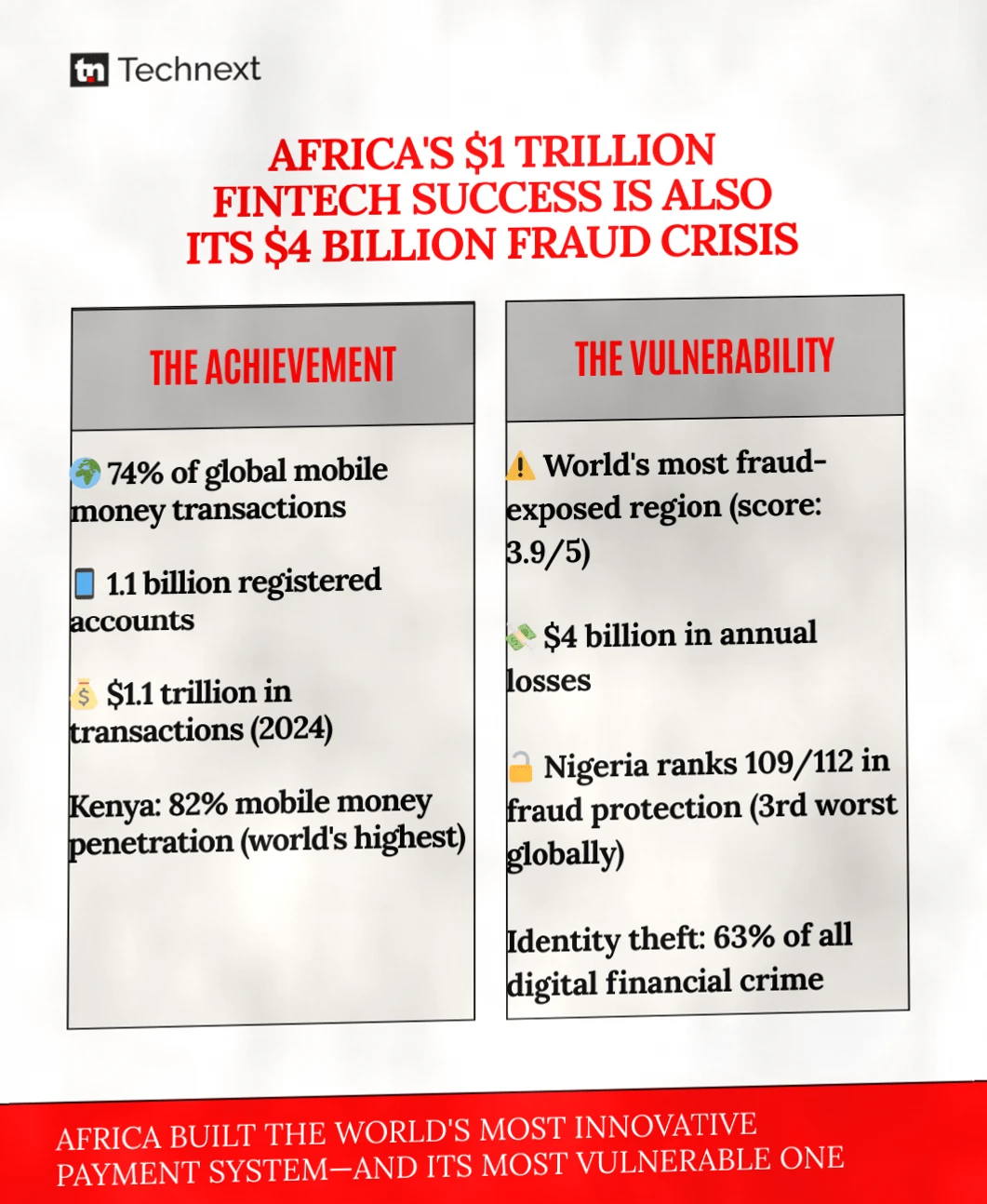
Africa is a pioneer in mobile payments. With 1.1 billion mobile money accounts processing over $1.1 trillion in transactions annually, Kenya's M-Pesa system alone handles over $50 billion in transactions each year. Here, 82% of adults rely on mobile phones for financial operations, the highest penetration rate globally.
This is a demand-driven financial revolution. Without bank branches or credit history requirements, all it takes is a mobile phone for millions of unbanked individuals to access the modern financial system. However, the speed has been too fast, and security has failed to keep up.
When victims in New York experience credit card fraud, there are bank refund mechanisms to rely on. But in Nairobi, once a phone number is hijacked, fraudsters can not only empty wallets but also apply for loans and transfer funds in your name, leaving you with no insurance protection and nowhere to appeal.
The Dark Side of Digital Finance in Africa: How SIM Swap Fraud Devours Hundreds of Millions of Dollars
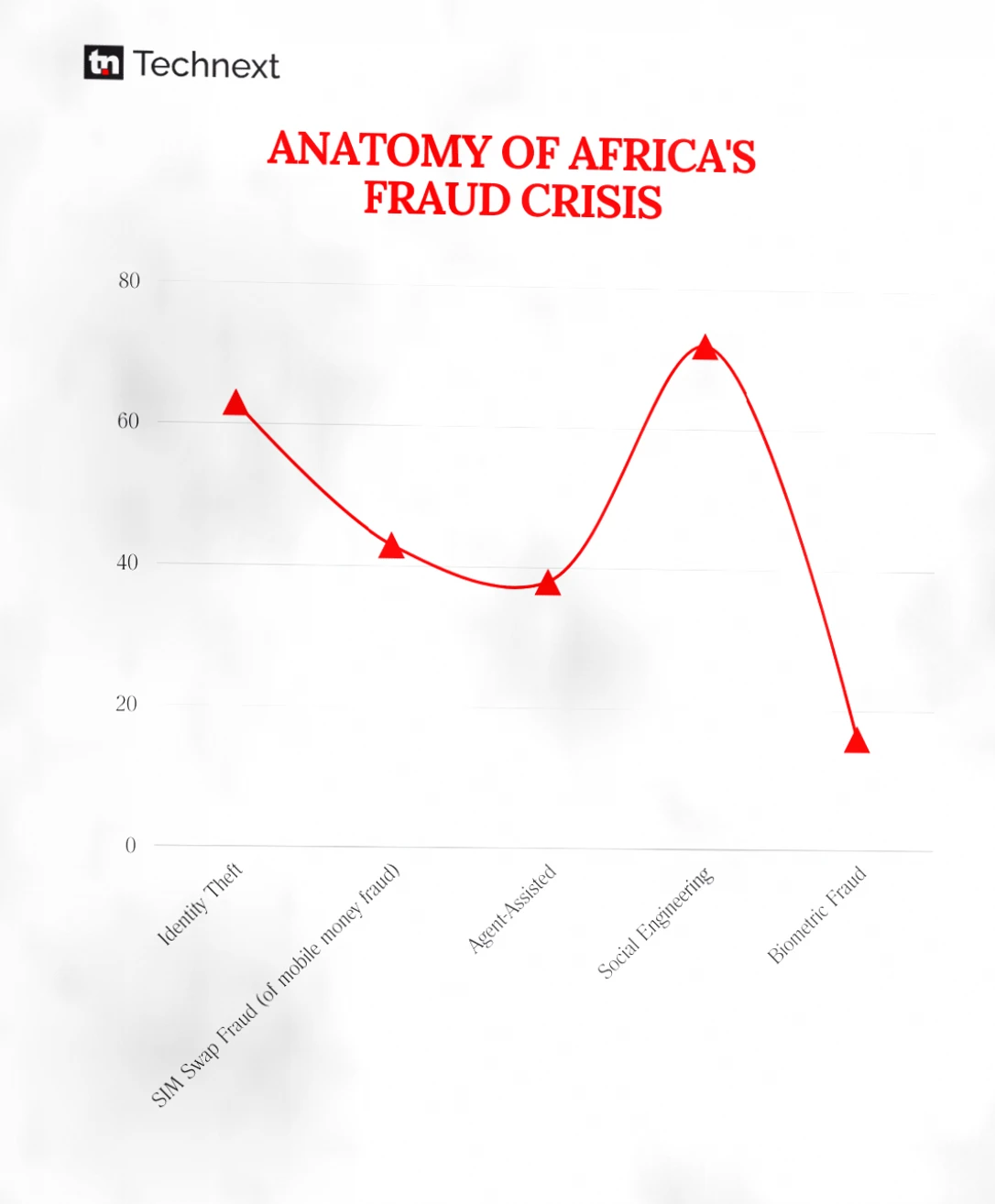
Africa's booming mobile payments sector has become a breeding ground for financial fraud due to regulatory gaps. SIM swap scams devour over $4 billion annually, leaving ordinary users with no recourse. Beneath the digital finance miracle lies the suffering of countless families.