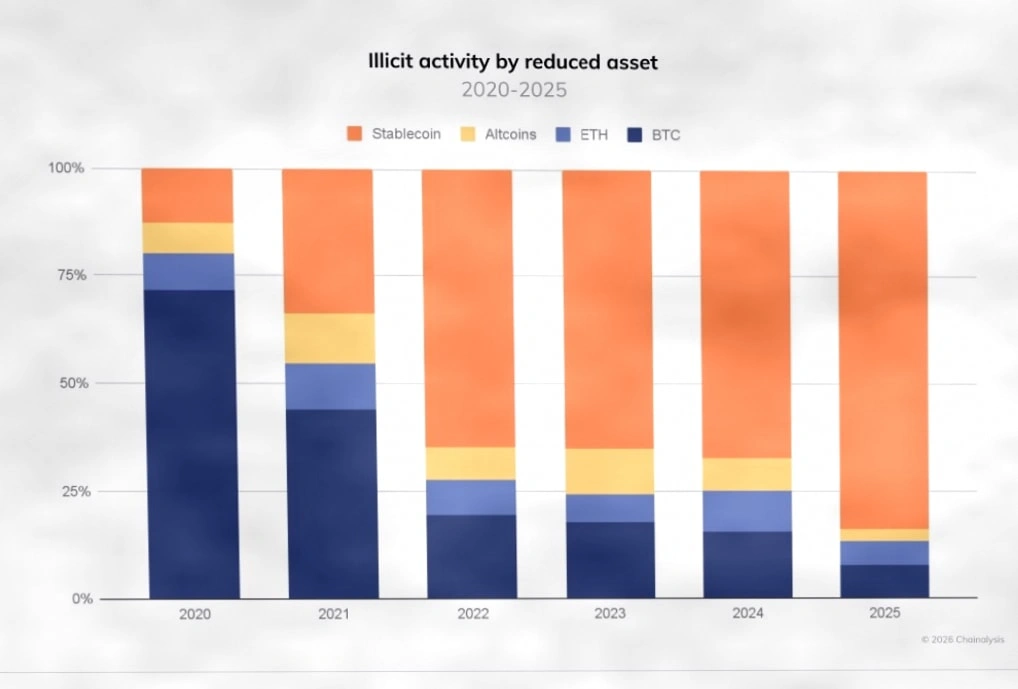
The Financial Action Task Force (FATF) notes in its latest report that as stablecoins see growing use in payments and cross-border transfers, peer-to-peer (P2P) transactions executed via self-custody wallets are emerging as a critical blind spot in the regulatory framework.
These transactions bypass regulated intermediaries, making it difficult for anti-money laundering (AML) and counter-terrorist financing (CFT) mechanisms to intervene effectively and significantly increasing the risk of illicit fund flows.
FATF urges governments to fully assess the inherent risks within the stablecoin ecosystem and take proportional countermeasures, including beefing up transaction monitoring when self-custody wallets interact with compliant virtual asset service providers (VASPs) and clarifying the AML/CFT responsibilities of both stablecoin issuers and distributors.
While all blockchain transactions are publicly traceable, the pseudo-anonymous nature of wallet addresses still poses challenges for tracing funds. FATF emphasizes that even if technically traceable, the lack of identity linkage makes it difficult for enforcement agencies to pinpoint the true actors.
Notably, FATF cites Chainalysis data to reiterate that illicit crypto activity accounts for less than 1% of overall on-chain volume. Although the absolute amount has risen, illicit activity remains a very small fraction. This data indicates that stablecoins are still predominantly used for legitimate payments and value storage, but regulators must remain vigilant about potential abuse vectors.