

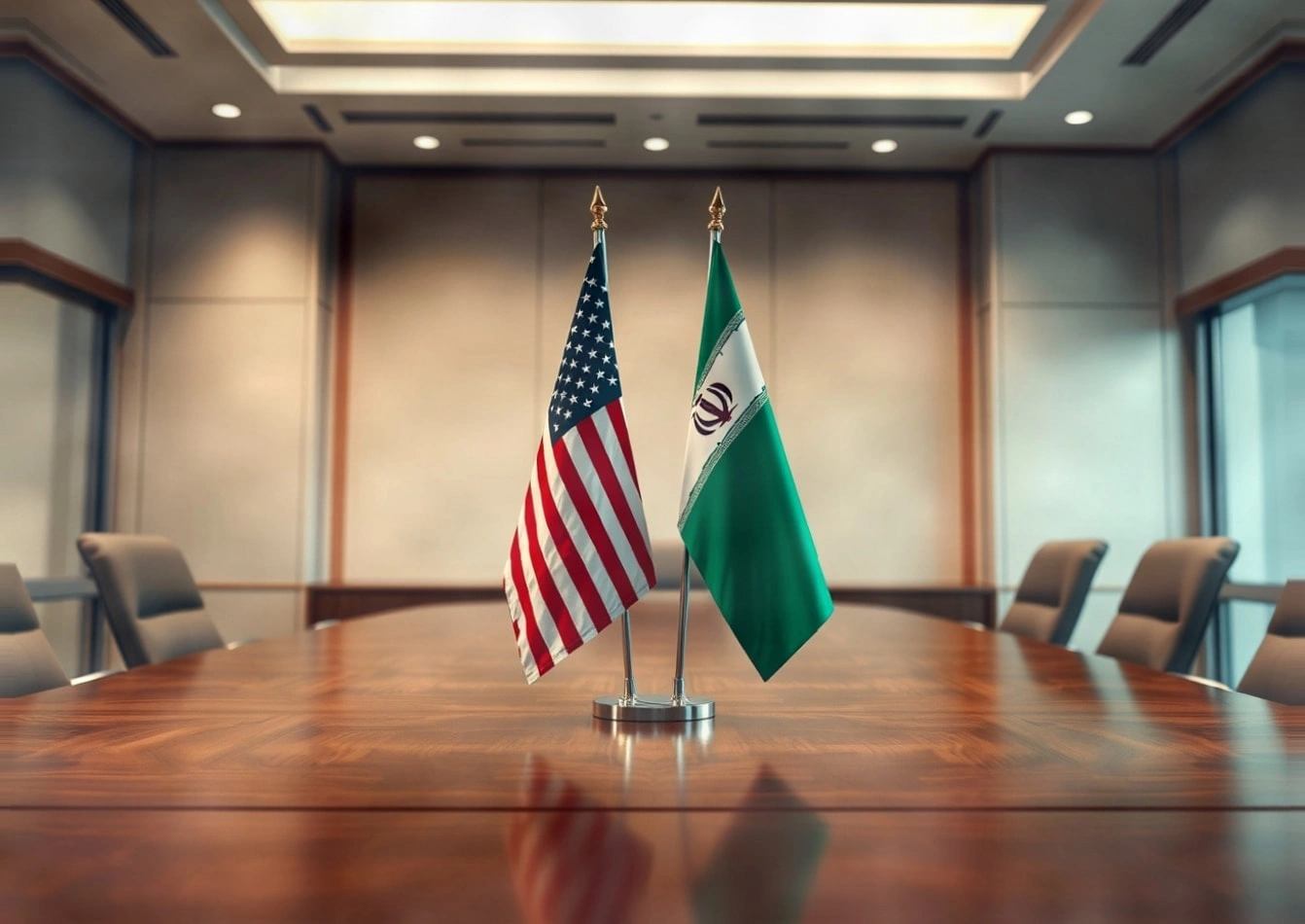
WASHINGTON D.C. – In a significant diplomatic development, U.S. President Donald Trump has confirmed that the United States is actively engaged in negotiations with Iran, aiming to forge a more comprehensive agreement. The President indicated that Tehran appears to be demonstrating sincerity in addressing the long-standing nuclear issue. This statement marks a potential turning point in U.S.-Iran relations, which have been strained since the U.S. withdrawal from the 2015 nuclear deal.
President Trump Announces Launch of Comprehensive Iran Nuclear Deal Negotiations
President Trump made these remarks during a press conference held at the White House. He revealed that discussions are currently in progress, suggesting that both sides are exploring the possibility of reaching a broader accord that would extend beyond the scope of the 2015 Joint Comprehensive Plan of Action (JCPOA). The original agreement primarily focused on curbing Iran's nuclear program in exchange for sanctions relief.
However, the Trump administration withdrew from the deal in May 2018 and subsequently reimposed stringent economic sanctions on Iran. These sanctions have had a considerable impact on the Iranian economy over the past few years. The President's current statements signal a potential reopening of diplomatic channels. Crucially, he noted that Iran is now approaching the negotiations with a serious demeanor.
Historical Context of U.S.-Iran Nuclear Diplomacy
The relationship between the U.S. and Iran has a long and complex history. The JCPOA, negotiated under the Obama administration and finalized in 2015, was a major diplomatic achievement at the time. Participants included the United States, the United Kingdom, France, Germany, Russia, China, and the European Union. The agreement imposed strict limitations on Iran's nuclear activities, and in return, the international community lifted sanctions against Iran.
But President Trump, during his 2016 campaign, consistently criticized the deal, calling it the "worst deal ever." His administration argued that the agreement had critical flaws, particularly concerning sunset clauses for key restrictions and its failure to address Iran's ballistic missile program. Furthermore, they expressed concerns about Iran's regional influence. Consequently, after withdrawing from the deal, the U.S. pursued a strategy of "maximum pressure" through sanctions.
Expert Analysis of Potential New Deal
Diplomatic analysts suggest that a "more comprehensive" agreement would likely need to incorporate several key elements. Firstly, it might extend the duration of nuclear restrictions beyond the original timeline of the JCPOA. Secondly, it could formally include limitations on Iran's ballistic missile development. Thirdly, the accord might address Iran's support for proxy groups in the Middle East – all significant concerns for the previous U.S. administration.
International relations scholars believe that Iran's current display of seriousness could stem from multiple factors. The country's economy has been severely impacted by ongoing U.S. sanctions. Additionally, domestic political dynamics within Iran...