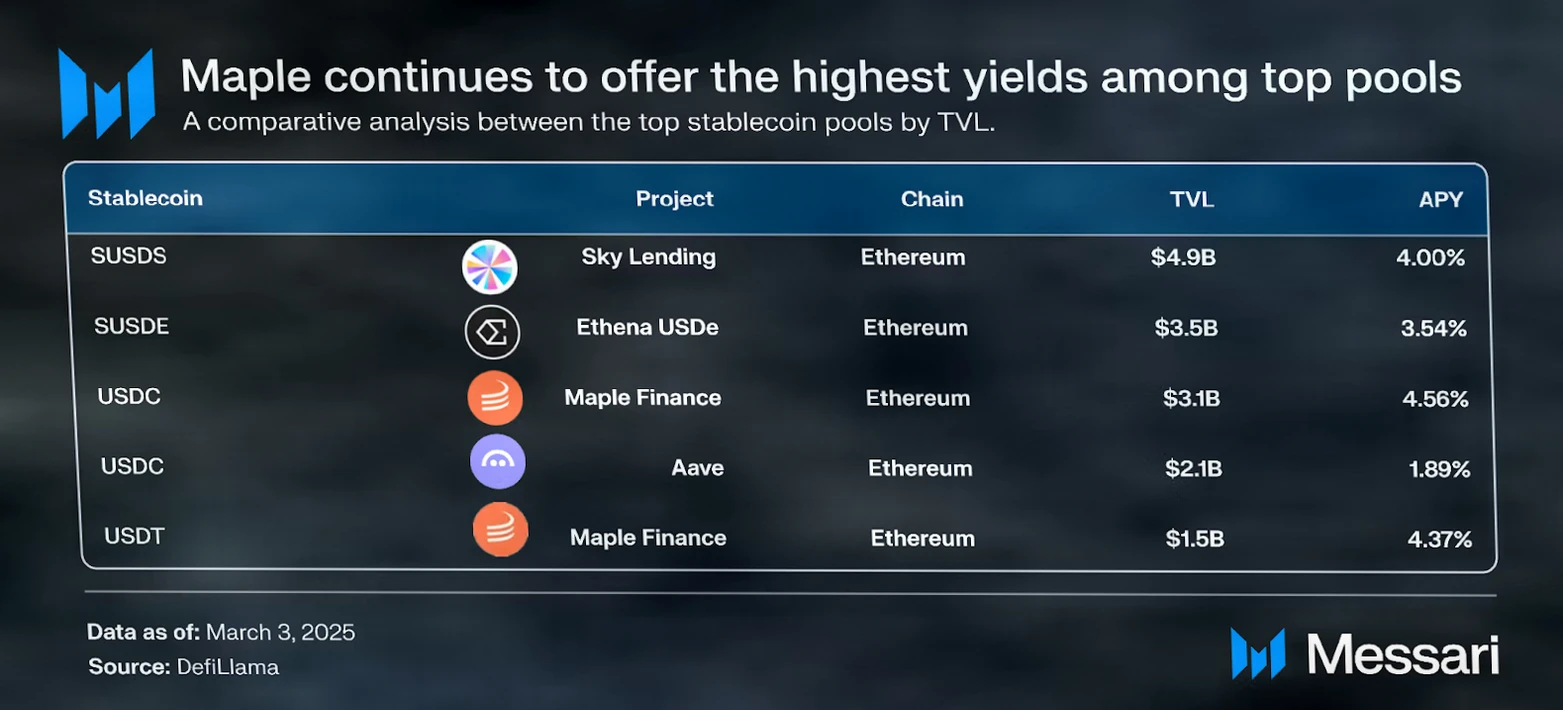
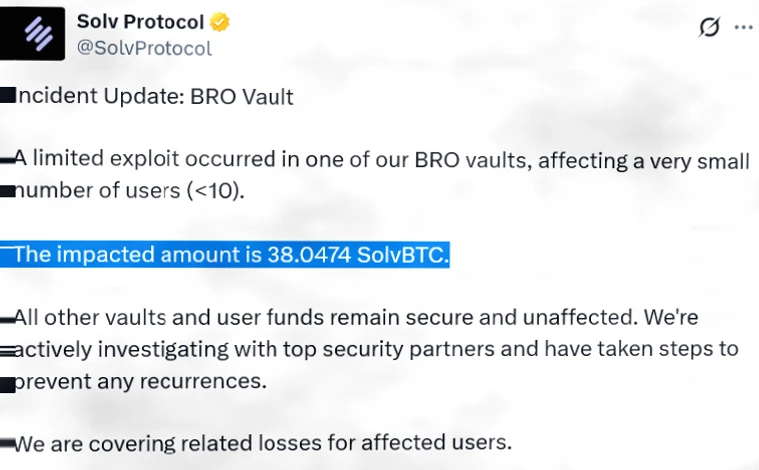
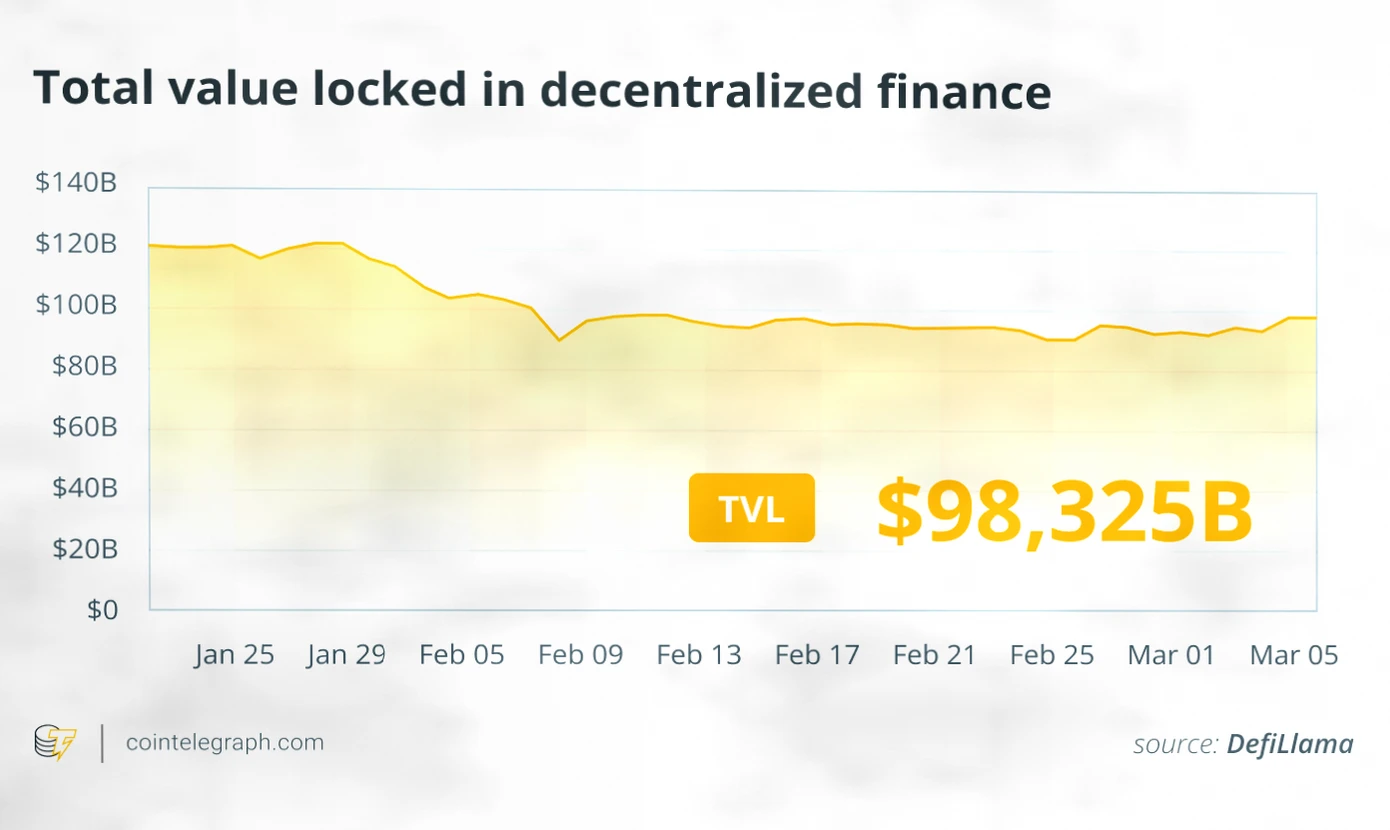
This week, Bitcoin and major crypto assets have rebounded strongly as market volatility triggered by geopolitical tensions in the Middle East gradually subsides. Meanwhile, governance disputes in the decentralized finance (DeFi News) sector continue to escalate, with Aave's core governance entity, the Aave Chan Initiative (ACI), announcing the termination of its collaboration with Aave DAO and a gradual cessation of operations over the next four months.
As a key governance representative and service provider within the Aave ecosystem, ACI stated in a public announcement: "ACI was born for Aave; if there is no future for Aave, the name no longer applies." This decision stems from deep concerns regarding the transparency of the DAO voting mechanism and governance standards, marking a significant turning point in Aave's decentralized governance structure. As funding proposals enter the next phase, internal disagreements within the community may impact the project's long-term development path.
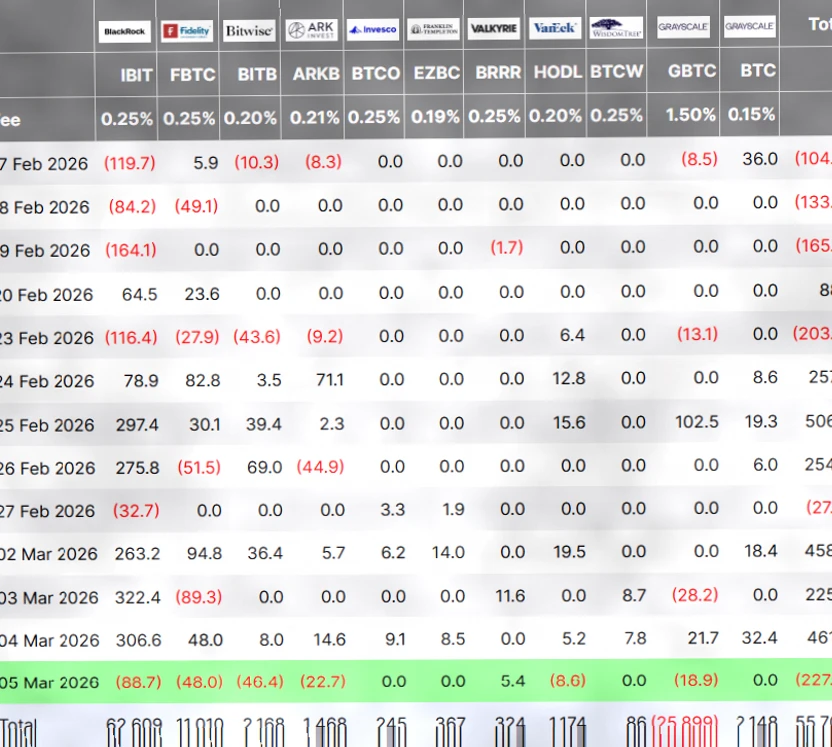
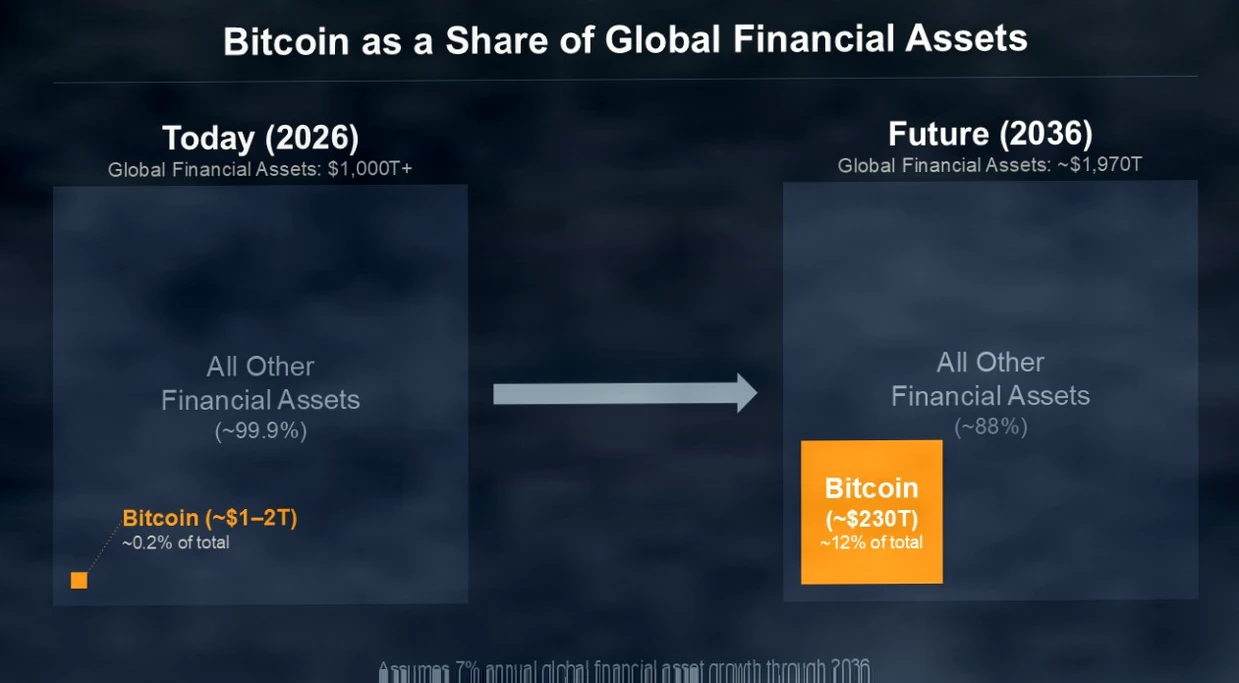
On a macro level, some analysts suggest that AI-driven technological deflation could reshape the global financial system. Strive analyst Joe Burnett predicts that if Bitcoin's share of the global financial asset market rises from the current 0.2% to 12% over the next decade, combined with a global wealth compound annual growth rate of 7%, its price could reach $11 million by 2036. This model requires approximately 176 times market cap expansion, corresponding to an annual growth rate of 53%. While this is higher than Bitcoin's historical average of 60% from 2015 to 2024, the increasing asset scale and decreasing volatility significantly raise the difficulty of achieving this target.
MEXC's chief research analyst Shawn Young is more cautious, arguing that a 16,318% increase is unrealistic given the current context of enhanced liquidity and deeper institutional participation. He points out that with more funds flowing in, the extreme volatility of Bitcoin prices has become a thing of the past, and a more reasonable long-term price ceiling is around $1 million.
Additionally, the stablecoin market has shown a notable recovery, with net inflows rising to $1.7 billion this week, reflecting investors' emotional fluctuations regarding the uncertainty of yield rules. The U.S. Congress is currently engaged in intense debates over the taxation policy for crypto asset gains, and the ambiguity of regulatory prospects continues to influence market participants' decision-making pace.