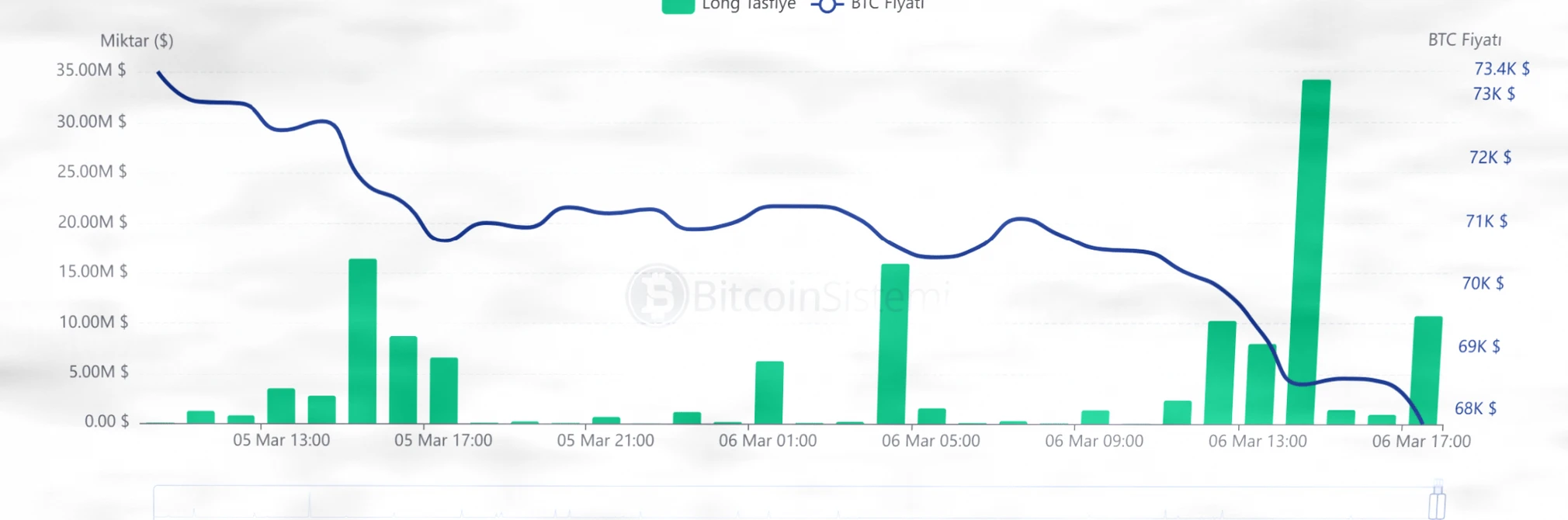
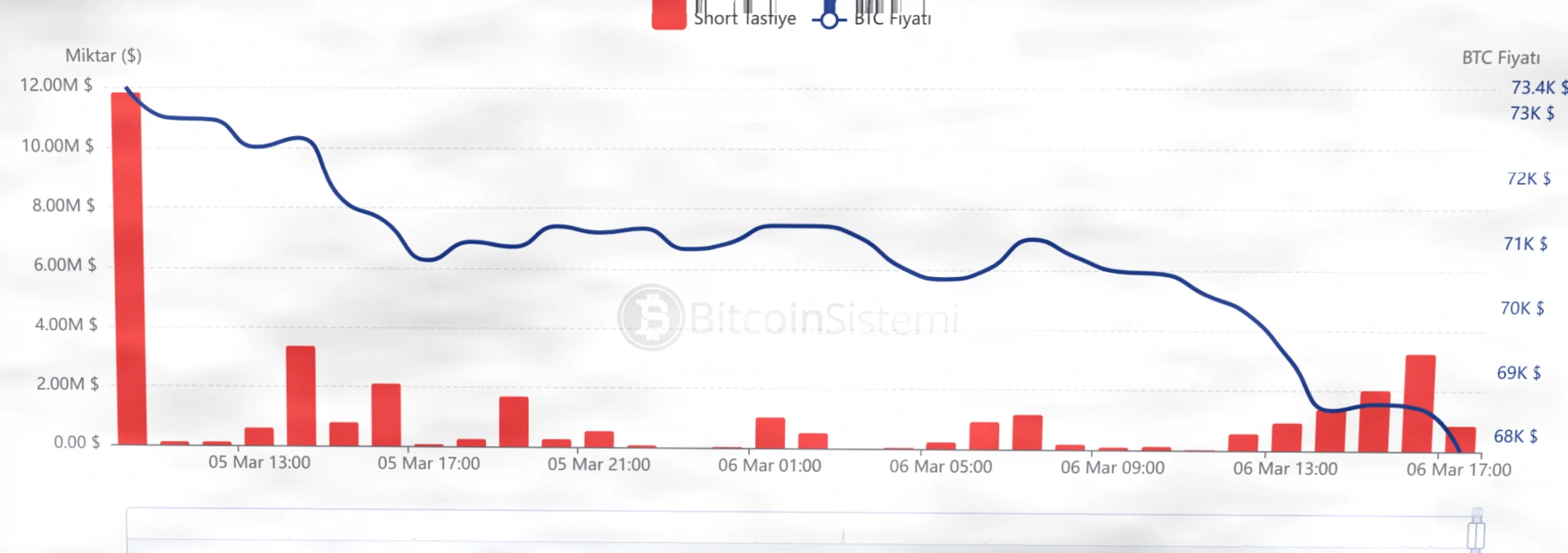
This week, Bitcoin, which had seen a strong rebound mid-week, faced renewed pressure after the latest U.S. non-farm payroll data was released, with prices falling back to around $68,000, down approximately 7% from Wednesday's peak. The market generally believes that the weak employment report has weakened investors' risk appetite, leading to a collective pullback in high-risk assets, including cryptocurrencies.
Boris Alergant, head of the Babylon Strategic Initiative, pointed out that such economic data often triggers an increase in correlations between assets, making it common for risk assets to decline in unison. Although there were hopes that former U.S. President Trump's crypto-friendly policies would boost confidence, Bitcoin is still down nearly 46% from its all-time high of $126,000 set last October, indicating that the long-term downtrend has yet to reverse.
Moreover, escalating geopolitical tensions in the Middle East, described by Trump as a “conflict without end,” have driven up energy prices, further amplifying uncertainty in global markets. This macro-level volatility has also transmitted to traditional financial markets: the S&P 500 index fell about 2% after the data release, resonating with the crypto market.
As market sentiment remains under pressure, the scale of leveraged liquidations has significantly expanded. In the past 24 hours, Bitcoin long positions worth $46.73 million were liquidated across the market, while short liquidations reached $51.55 million, with the total liquidation amount in the overall crypto market exceeding $400 million, reflecting that high-leverage positions are being rapidly cleared amid volatility.
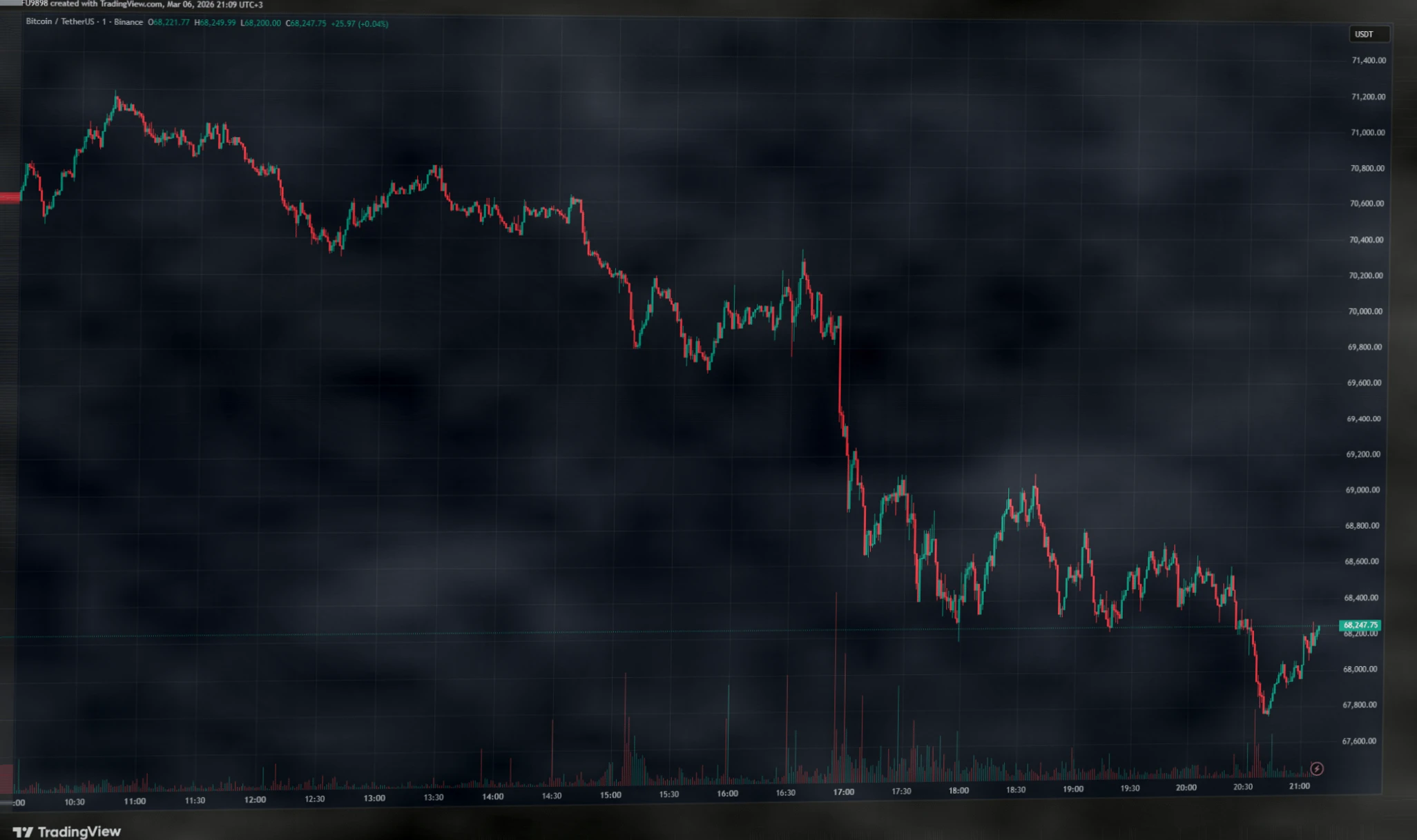
Some analysts warn that if the current trend persists through the week, the market may continue to probe lower, with Bitcoin potentially re-challenging the critical support level of $60,000. Alex Tsepaev, Chief Strategist at B2Prime, stated that the current market lacks clear buying support, making a reversal difficult in the short term.