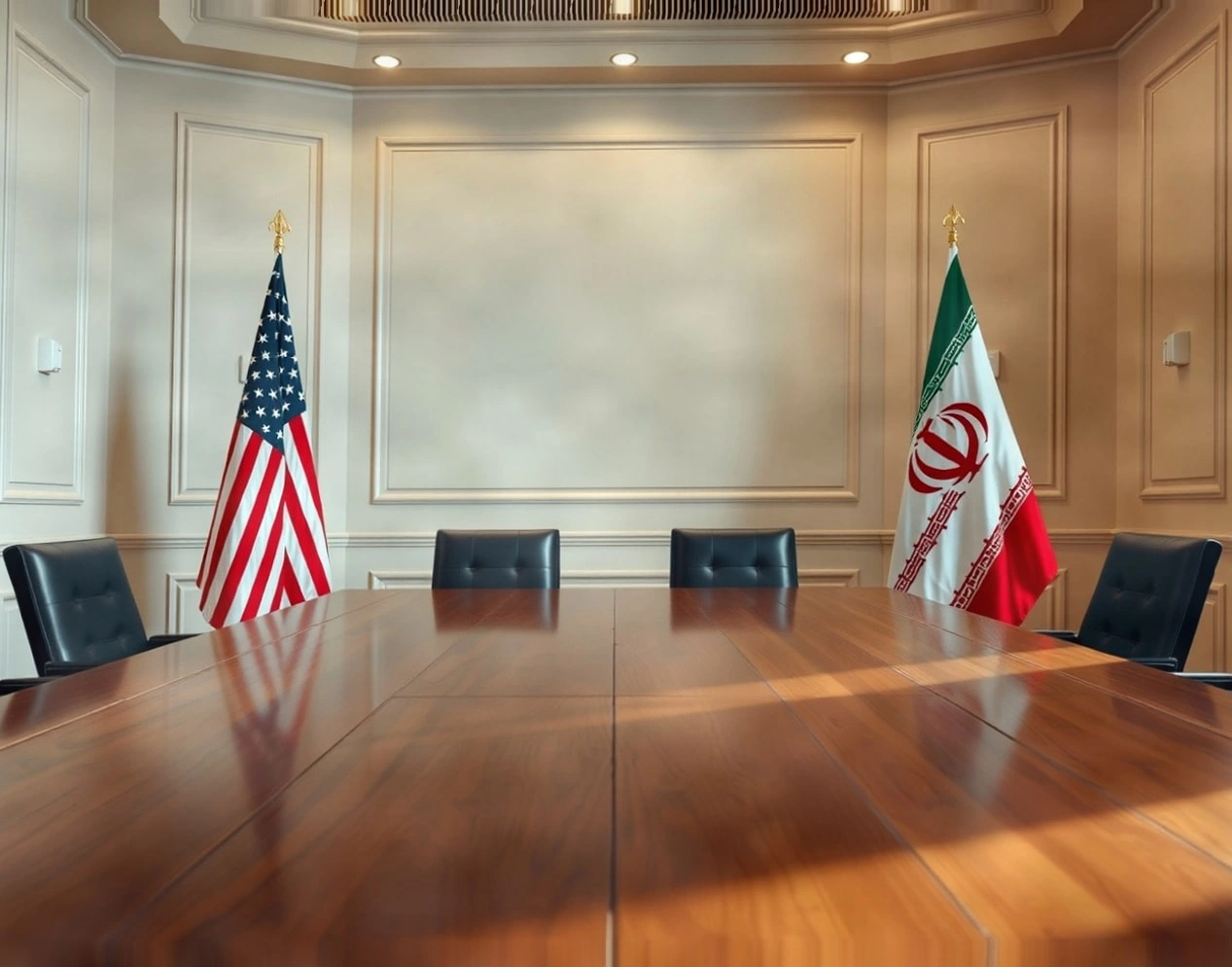
Trump's demand for Iran's 'unconditional surrender' as a precondition for negotiations closes diplomatic channels and raises international concerns about escalating tensions in the Middle East and potential energy market turmoil.
Washington D.C., March 15, 2025 – Former President Donald Trump recently stated that the United States must demand Iran's "unconditional surrender" before engaging in any dialogue. This extreme position has quickly drawn widespread international attention, not only halting the already fragile Iran nuclear talks but also exacerbating geopolitical tensions in the Middle East and posing a potential shock to global energy markets.
This statement marks a significant shift in U.S. policy toward Iran. Previously, when dealing with strained relations with Iran, the U.S. tended to seek compromise through multilateral negotiations or indirect communication, even during the most confrontational periods. For example, the Obama administration led the way in reaching the Joint Comprehensive Plan of Action (JCPOA), and the Biden administration also attempted to revive the agreement. However, Trump's proposed "surrender first, then negotiate" model completely excludes any middle ground, placing Iran in an extreme, all-or-nothing choice.
Looking back, U.S.-Iran relations have been fraught with twists and turns since the 1979 Islamic Revolution. The "maximum pressure" policy implemented during Trump's presidency, including unprecedented economic sanctions and the assassination of Iranian Major General Soleimani, pushed relations between the two countries to a freezing point. Although subsequent governments have attempted to ease tensions, differences on core issues such as nuclear energy development, regional influence, and support for proxy forces have remained difficult to bridge.
International security experts generally believe that Trump's position lacks practical feasibility. Dr. Eleanor Vance, a senior research fellow at the Institute for Strategic Studies, pointed out, "Iran's political culture is rooted in a national narrative of resisting external pressure. Any proposal requiring its 'unconditional surrender' will only provoke a stronger backlash, not compromise." Regional observers also emphasized that the Iranian regime often chooses to strengthen domestic cohesion and military deterrence when facing external isolation, rather than proactively conceding. This statement may not only close diplomatic windows for the next few years but also stimulate Iran to accelerate its nuclear capabilities development, further disrupting regional stability.
Currently, the international community is closely monitoring whether Iran will take escalating measures in response, including restarting high-enriched uranium production or restricting the International Atomic Energy Agency's inspection authority. At the same time, European countries and major Asian energy importers are also urgently assessing potential crude oil supply risks.
0 comment A文章作者M管理员
No Comments Yet. Be the first to share what you think
❯
Profile
Search
Checking in, please wait...
Click for today's check-in bonus!
You have earned {{mission.data.mission.credit}} points today