

Eric Trump recently publicly accused JPMorgan Chase and Bank of America of being “anti-retail, anti-consumer, and even anti-American,” using strong language and making no secret of his emotions. This accusation is not merely an expression of policy stance but is rooted in earlier personal grievances. For years, the Trump family and its related businesses have repeatedly stated that large financial institutions have cut off their financial services, an experience that has profoundly influenced his view of traditional banking.
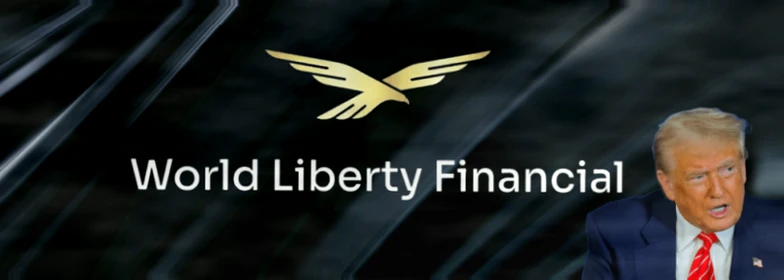
The current regulatory controversy surrounding stablecoin yields is intertwined with this background. World Liberty Financial, co-founded by Eric Trump, has issued its own stablecoin, USD1, whose market competitiveness highly depends on whether it is allowed to pay yields to users. If regulators ultimately prohibit or strictly limit the yield function of stablecoins, USD1 will find it difficult to compete with traditional bank deposit products; conversely, if yields are allowed, it is expected to gain significant growth space.
More complex is that World Liberty Financial is currently seeking a bank charter from the U.S. Office of the Comptroller of the Currency (OCC), which means that the company is trying to become part of the system it once fiercely criticized. This contradictory stance of “attacking the banking system while eager to join it” reflects the deep tension between the stablecoin industry and the traditional financial system, which is both confrontational and interdependent.
It is worth noting that before and after this event, Coinbase CEO Brian Armstrong publicly withdrew his support for a related legislative draft, citing significant flaws in the stablecoin provisions. This move further highlights the divisions within the industry regarding the direction of regulation, and makes this debate over yield rights not just a technical or financial issue, but also a game of power and discourse.