According to CleanSpark's latest operational report, the company produced a total of 568 Bitcoins in February 2024, of which 553 were sold, realizing approximately $36.6 million. This operation reflects the current balancing strategy of crypto mining companies between capital expenditure and liquidity management. As of the end of February, CleanSpark had a total of 235,588 mining devices deployed, with a peak hashrate of 50 EH/s and an average hashrate of 43.2 EH/s. The company has contracted power capacity of 1.8 gigawatts, of which 808 megawatts are in actual operation.
As of February 28, CleanSpark's cumulative mining output this year has reached 1,141 Bitcoins. It is worth noting that the company's holdings of 1,086 BTC are currently used as collateral or receivables for derivatives trading, demonstrating its deep involvement in the use of financial instruments.
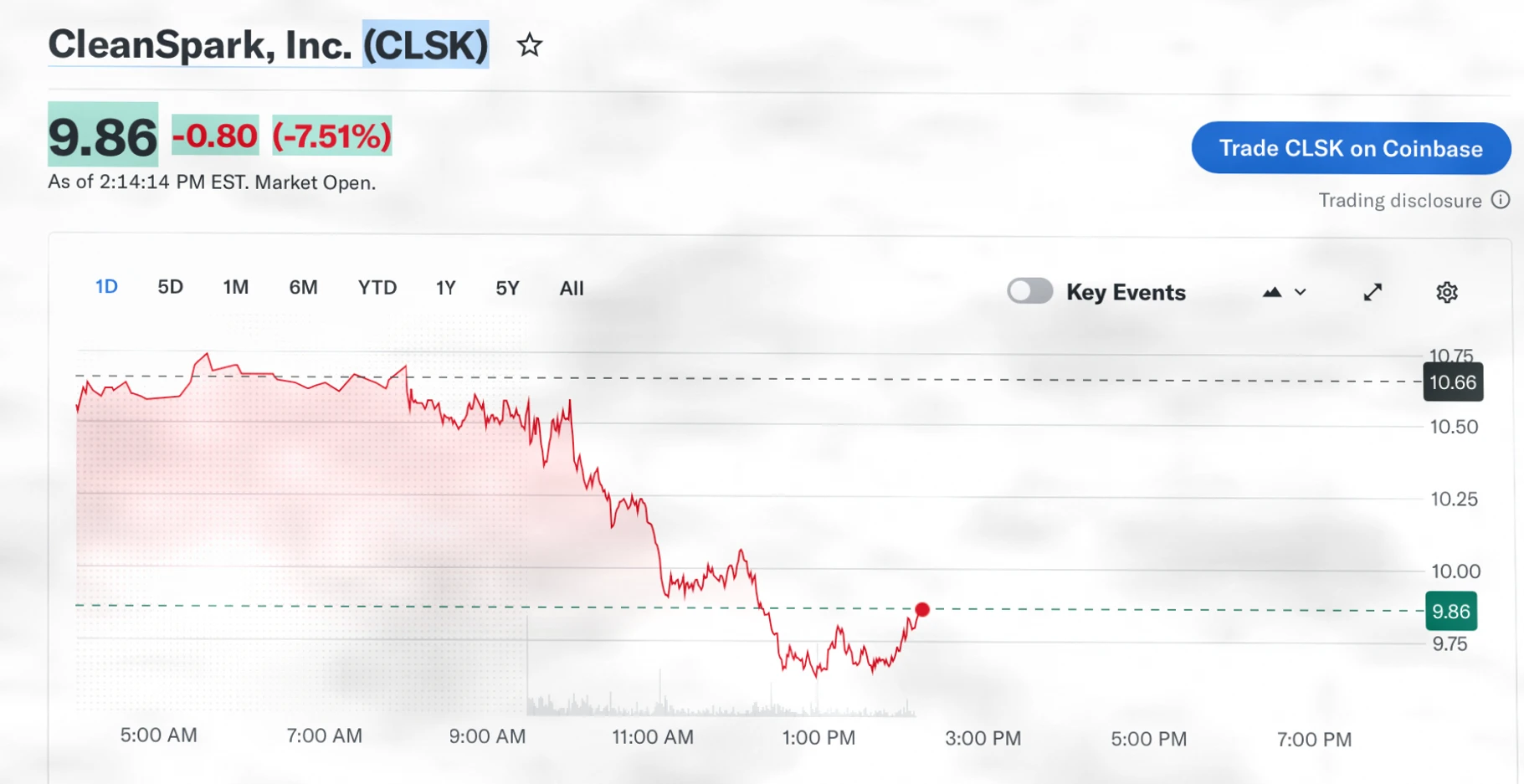
In fact, CleanSpark is not an isolated case. Recently, several listed Bitcoin mining companies have experienced varying degrees of BTC disposals, with the main motivations including providing financial support for data center expansion and AI infrastructure deployment. As hashrate competition intensifies and energy costs rise, mining companies are shifting from a model that relies solely on rising coin prices to a more proactive asset allocation and cash flow management strategy.