The 2026 Middle East conflict disrupted shipping in the Strait of Hormuz, causing Brent crude and LNG prices to soar, gold to break through $5,100/oz, and the global energy security to face severe challenges, pushing the market into a period of deep adjustment.
In early March 2026, military actions by the United States and Israel against Iran led to a near-total standstill in shipping through the Strait of Hormuz, a vital artery for global energy. As the chokepoint for approximately 20% of the world's oil and a significant amount of liquefied natural gas (LNG) transport, this sudden disruption triggered a chain reaction in global energy markets, making supply chain security a top priority for policymakers and energy companies worldwide.
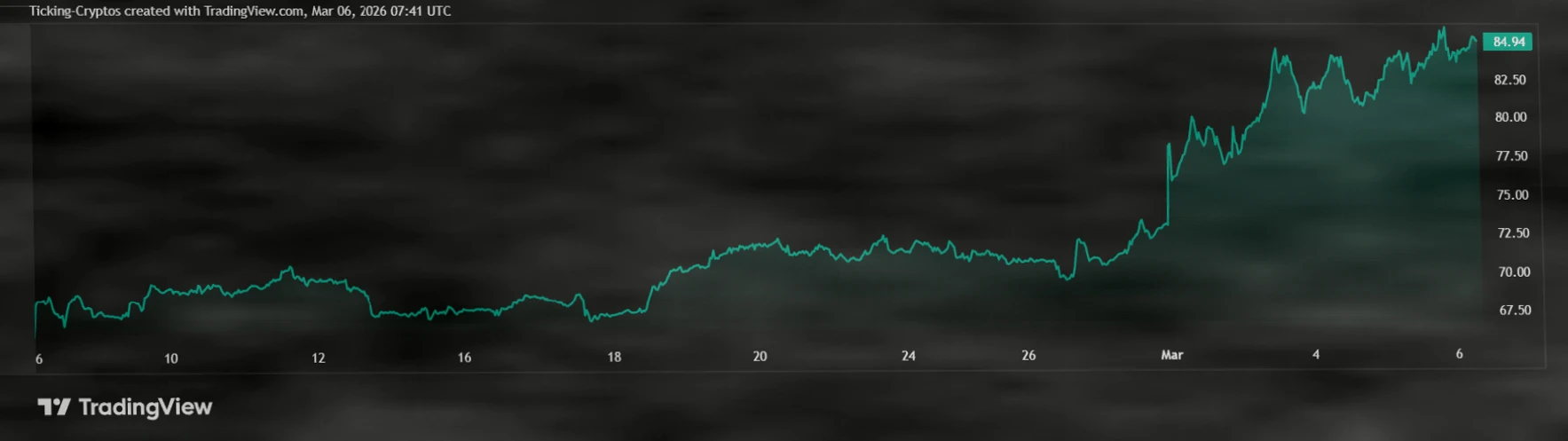
Brent crude oil prices surged by over 40% within three days of the announcement, reaching a near-decade high. Market analysis indicated that the Middle East geopolitical risk premium had been significantly factored into oil prices, while low inventory levels combined with the refinery maintenance season further amplified the impact of the supply gap. Major economies in Europe and Asia have urgently activated strategic reserve release mechanisms, but these are unlikely to fully compensate for the shortfall in the short term.
At the same time, liquefied natural gas (LNG) shipping rates experienced an unprecedented surge. The previously stable rate of around $40,000 per voyage skyrocketed to over $300,000 within two weeks. Major routes such as the Persian Gulf to East Asia and the Middle East to Europe experienced severe shortages in vessel capacity, with some shipowners suspending order acceptance pending clarification of the situation. Many Asian countries have accelerated long-term agreement negotiations with non-Middle Eastern suppliers such as Australia and the United States to reduce geopolitical dependence.
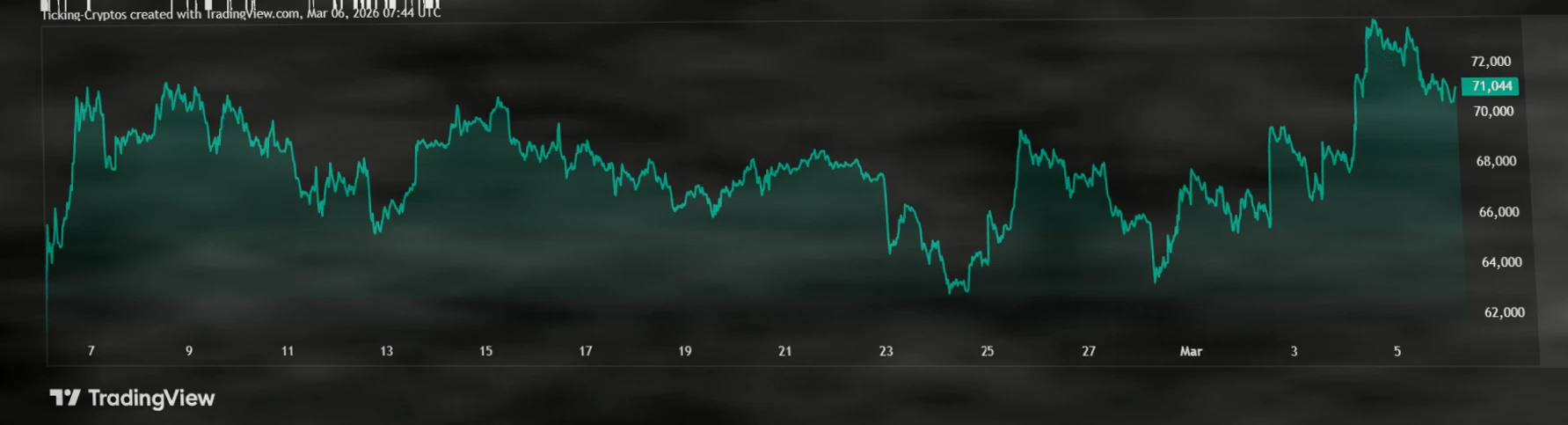
The surge in energy costs is being passed on to consumers, with inflation expectations rising again in many countries. To hedge against systemic risk, demand for safe-haven assets has surged, with gold prices breaking through $5,100 per ounce, reaching a new all-time high. Although some markets mentioned Bitcoin prices stabilizing around $71,000, its status as a risk asset prevented it from becoming an effective hedge in the energy crisis. Related discussions were more of a short-term reflection of market sentiment than a substantive asset substitution.
In the coming months, the global energy landscape may enter a period of structural adjustment. The expansion of non-Middle Eastern supply sources, the construction of regional energy alliances, and the accelerated deployment of renewable energy are becoming core strategies for countries to alleviate external dependence. The turmoil in the Strait of Hormuz has once again highlighted the vulnerability of the global energy system to geopolitics.
0 comment A文章作者M管理员
No Comments Yet. Be the first to share what you think
❯
Profile
Search
Checking in, please wait...
Click for today's check-in bonus!
You have earned {{mission.data.mission.credit}} points today