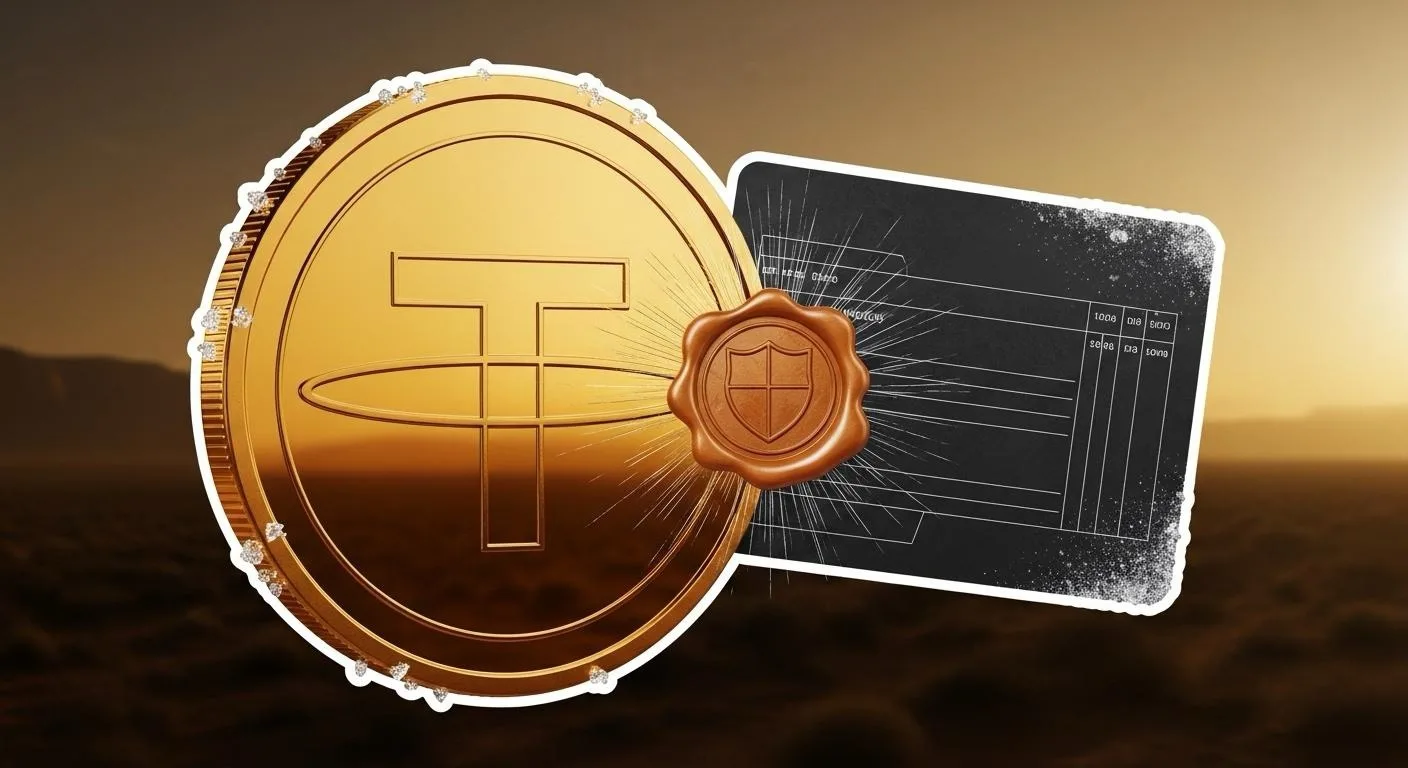
South Korea allows companies to invest in the top 20 crypto assets but strictly prohibits the use of USDT and USDC, citing violations of the 1998 Foreign Exchange Act, aimed at controlling capital outflow and financial risk.
South Korea's Financial Services Commission (FSC) recently announced new regulations allowing listed companies and professional investment institutions to invest up to 5% of their capital in crypto assets, but only in the top 20 non-stablecoin cryptocurrencies by market capitalization. This policy marks a formal easing of restrictions on corporate participation in the crypto market in South Korea, but imposes a clear ban on dollar-pegged stablecoins such as USDT and USDC.
The ban is not based on political considerations, but rather on the Foreign Exchange Transactions Act promulgated in 1998. This law strictly limits cross-border payment routes to designated foreign exchange banks, and stablecoins are not listed as legitimate cross-border payment tools. Regulators believe that allowing companies to hold or use USDT and USDC for transactions would directly violate the current legal framework and weaken the country's ability to control capital flows.
In addition, the FSC pointed out that corporate-level crypto investment is still in its early stages and there is a risk of "blindly following the trend." In order to reduce systemic financial risks, regulators prefer to maintain the traditional foreign exchange banking system as the sole channel for cross-border settlement, rather than allowing companies to bypass regulation and settle directly with overseas counterparties using stablecoins.
This means that even if companies can invest in mainstream crypto assets such as Bitcoin and Ethereum, they cannot include dollar stablecoins on their balance sheets or use them for trade payments. Analysts point out that this policy reflects South Korea's high emphasis on financial stability, and also exposes the deep-seated contradiction between crypto innovation and legal lag.
0 comment A文章作者M管理员
No Comments Yet. Be the first to share what you think
❯
Profile
Search
Checking in, please wait...
Click for today's check-in bonus!
You have earned {{mission.data.mission.credit}} points today