

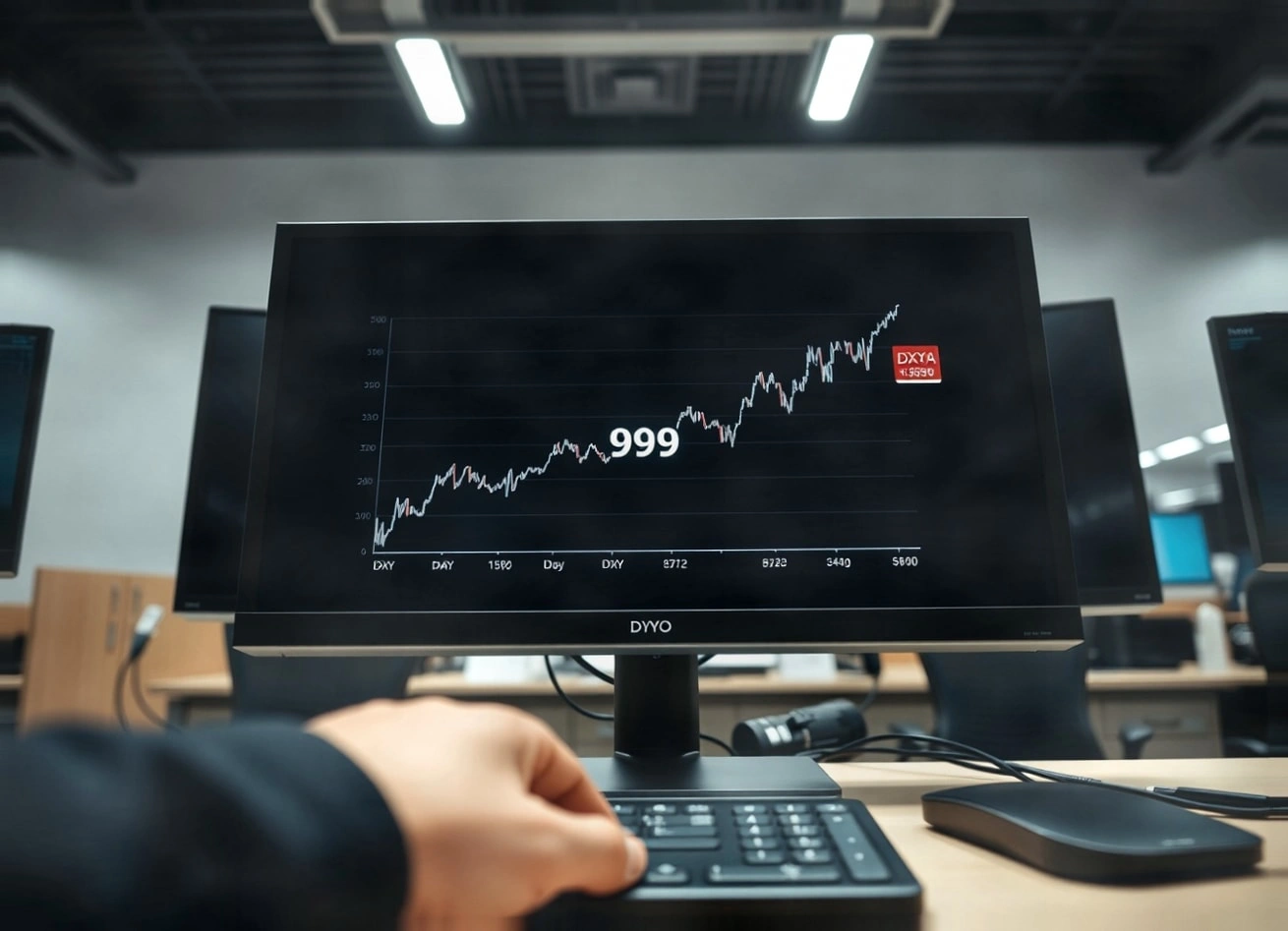
The U.S. Dollar Index surged amid escalating geopolitical tensions, climbing over 0.8% intraday to mark its largest single-day gain in weeks. The index has reclaimed highs not seen since late February, fully recovering losses incurred during a period of market calm. Trading volumes have also increased significantly, far exceeding the 30-day average, reflecting broad participation from global investors in this flight to safety.
Historically, the dollar has consistently served as a preferred safe-haven asset during times of global turmoil. In the early stages of the Russia-Ukraine conflict in 2022, the DXY also experienced a similar rapid appreciation. This market reaction once again confirms the typical pattern of geopolitical shocks triggering capital reallocation. Concurrently, gold and the Japanese yen have also garnered some buying support, but the dollar's gains are particularly pronounced, underscoring its central role in times of crisis.
The immediate catalyst for this risk-off sentiment is the escalating military confrontation between states and non-state actors in the Levant region. Multiple precision strikes and retaliatory actions have raised concerns about the stability of global energy transportation routes and supply chains, prompting investors to swiftly adjust their risk exposure. The previously relatively optimistic market sentiment has shifted overnight to a defensive posture.
This "risk aversion" trend is simultaneously evident across multiple asset classes: Asian and European stock markets generally declined, while U.S. Treasury prices rose and yields fell. The market correlation effect is clearly visible.
Behind the dollar's strong performance lies a deep structural support. First, the U.S. economy remains relatively resilient compared to other major economies, providing fundamental support for the dollar. Second, the depth and liquidity of the U.S. financial markets are unparalleled globally, enabling large institutions to efficiently complete capital migration during crises. In addition, the Federal Reserve's current data-dependent and cautious policy stance makes its monetary policy path more attractive compared to other central banks still in easing cycles.
Dr. Anya Sharma, Chief Strategist at Global Macro Advisors, noted, "While geopolitical events are a short-term catalyst, the dollar's strength is rooted in substantial economic divergence." She further explained, "The market is pricing in a 'flight to quality' risk-off behavior, emphasizing liquidity and stability. We observe U.S. multinational corporations accelerating capital repatriation, and international portfolios generally increasing their dollar hedging ratios; these behaviors are continuously driving up dollar demand." Her analysis cited relevant positioning data from the Commodity Futures Trading Commission (CFTC), confirming the institutional-level buying trend in the dollar.