

Washington D.C., April 15, 2025 — Kristalina Georgieva, President of the International Monetary Fund (IMF), today released a stark assessment report warning that the escalation of conflicts in the Middle East is posing the most severe test to global economic resilience in years. Her statement comes as financial market volatility intensifies, and global decision-makers are scrambling to address potential economic impacts.
IMF President Georgieva Warns of Economic Resilience Challenges
The IMF's latest analysis reveals troubling indicators across multiple economic sectors. As a result, the organization is currently monitoring several key areas that may face disruptions. The energy market is particularly vulnerable to supply chain interruptions. Additionally, global trade flows are facing significant challenges in readjustment. In recent weeks, financial stability indicators have begun to flash warning signals.
Georgieva emphasized the cumulative nature of recent economic shocks in her briefing. She stated, “We have witnessed significant resilience during multiple crises. However, each new challenge depletes economic buffers and policy space.” The IMF President specifically referenced three previous tests of resilience:
According to the IMF's analysis, the current conflict dynamics present unique challenges. The escalation of regional conflicts has the potential to cause simultaneous supply and demand shocks. Furthermore, investor confidence has measurably deteriorated in emerging markets.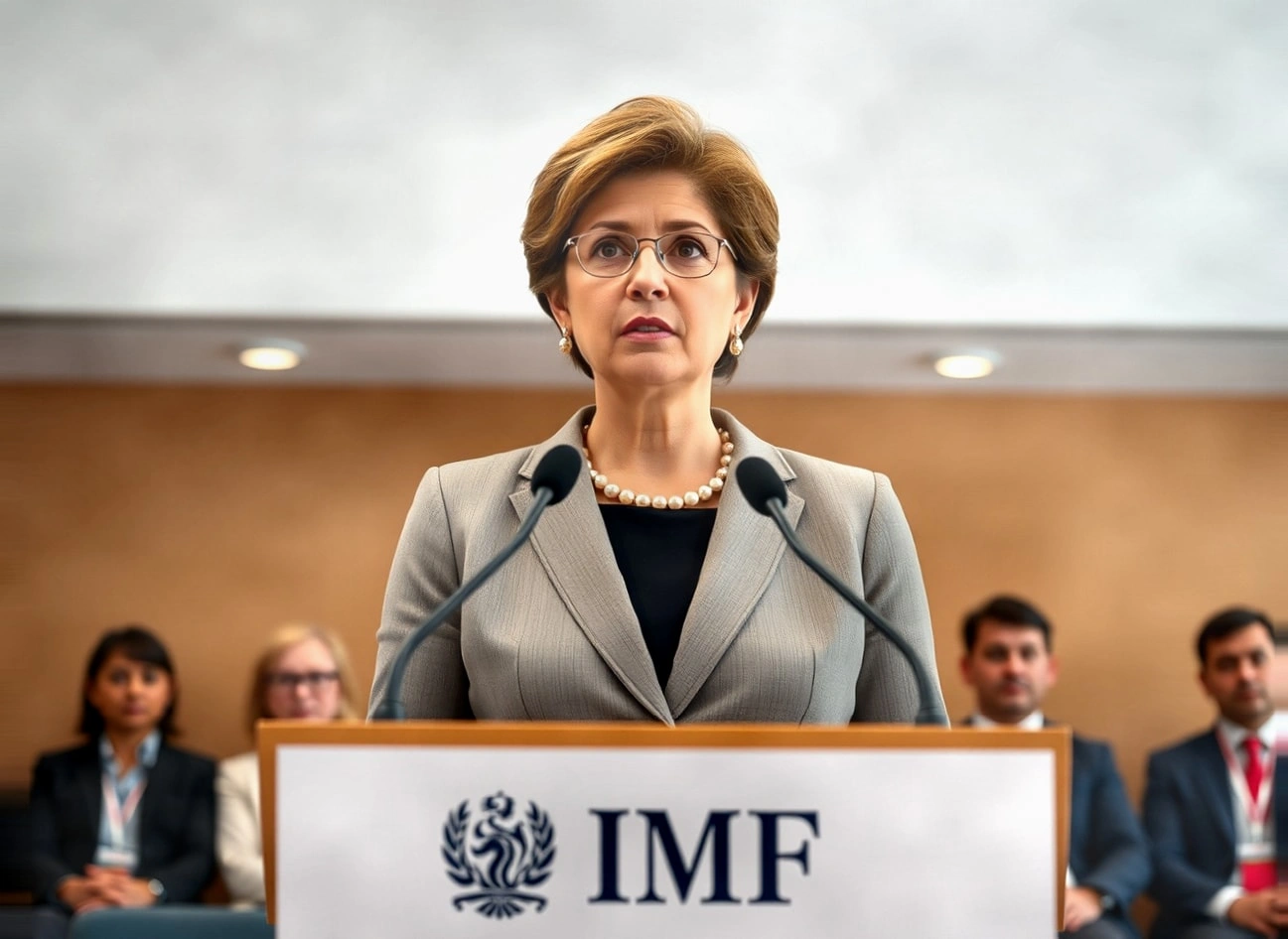
Economic Impact Analysis of the Middle East Conflict
The new conflicts in the Middle East threaten multiple economic channels simultaneously. The energy market represents the most direct transmission mechanism. Oil production in the region accounts for approximately 30% of global supply. Shipping routes through key waterways are facing increasing security concerns. Moreover, regional economic activity is directly impacted by the contraction in conflict areas.
So far, the financial market's response has been noticeable but measured. The risk premium on Middle Eastern sovereign debt has significantly widened. Neighboring stock markets have experienced sharp declines. However, global systemic indicators remain within historical ranges. This relative stability reflects improvements in the global risk management framework.
Patterns of trade disruption follow concerning historical precedents. In some cases, insurance costs for regional shipping have increased by 400%. Alternative routes have added substantial time and costs to global trade. Regional manufacturing hubs have reported supply chain interruptions. Agricultural exports from affected areas face complete suspension.
Expert Perspectives on Economic Resilience
Experts indicate that economic resilience encompasses not only the ability to recover but also the capacity to adapt under sustained pressure. The IMF defines resilience through four measurable components:
Recent research by the IMF shows that global resilience has improved since 2020. Countries have developed strategies to address future shocks and enhance their coping capabilities.