

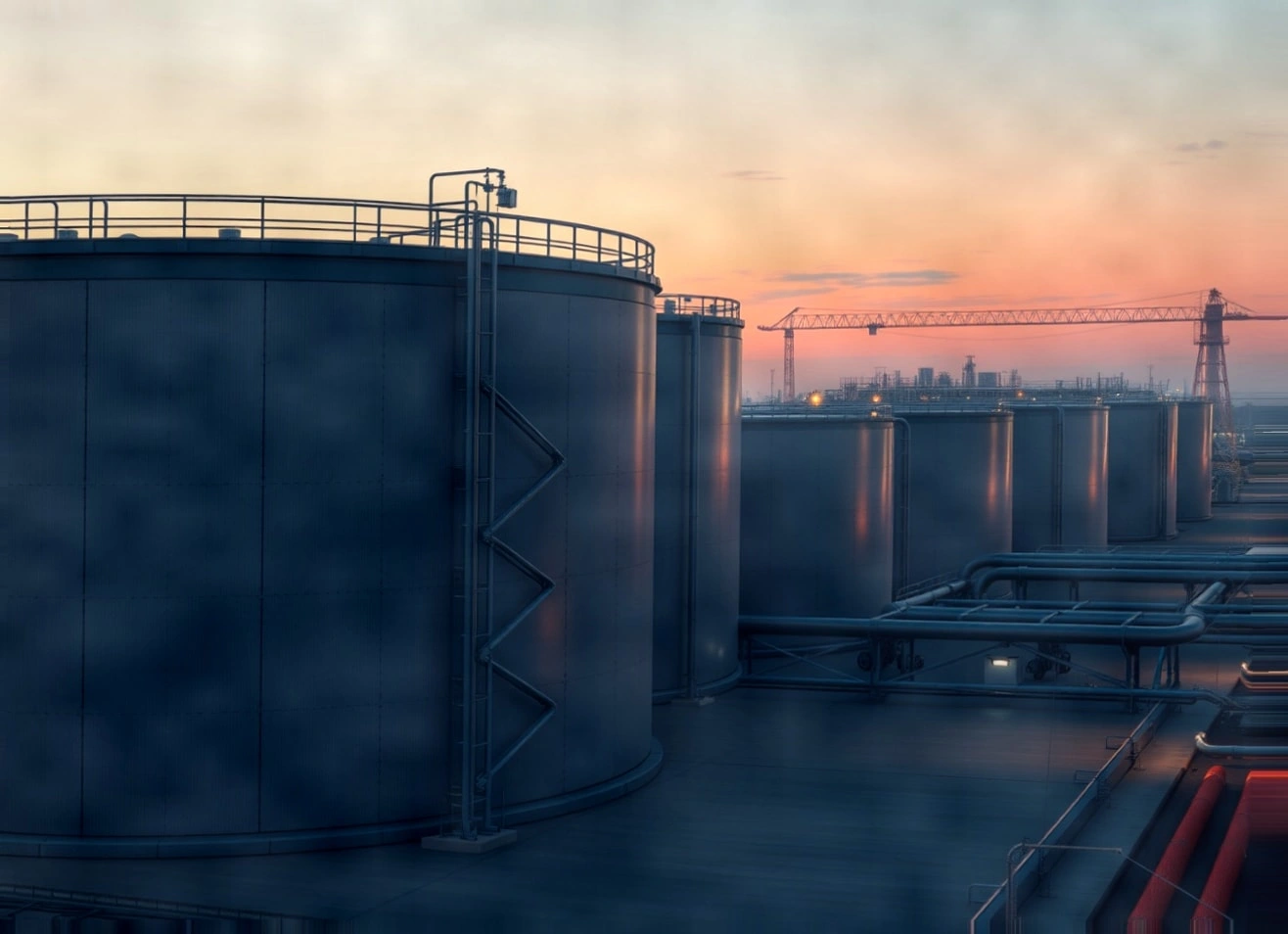
The global energy market is facing a critical turning point. Multiple sources indicate that the Group of Seven (G7) and the International Energy Agency (IEA) are in discussions regarding an unprecedented coordinated action: a joint release of strategic oil reserves to alleviate the current escalating oil price volatility. If implemented, this would be the largest and most closely coordinated international oil reserve intervention since the 2011 Libyan crisis.
As a core pillar of the global energy security system, G7 countries and IEA member states collectively hold over 4 billion barrels of strategic crude oil reserves. According to IEA agreements, each member state must maintain reserves equivalent to 90 days of net imports to cope with sudden supply disruptions. This mechanism has proven effective on several occasions in the past: after Hurricane Katrina in 2005, the United States released oil reserves to stabilize domestic supply; during the Libyan oil production disruption in 2011, multiple countries jointly released approximately 60 million barrels, which temporarily pushed oil prices down by about 8%. However, these short-term interventions often fail to address structural imbalances at their root.
The current market environment is more complex. On one hand, global oil inventories—especially commercial inventories in OECD countries—remain below the recent five-year average. On the other hand, the global economic recovery is driving a steady rebound in demand, while geopolitical frictions and limited production capacity in some oil-producing countries are further compressing supply elasticity. This triangular pressure of "low inventories + strong demand + weak supply" is exacerbating market uncertainty.
The release of strategic reserves is not an overnight process. The United States, for example, stores its world's largest strategic reserve in underground salt caverns along the Gulf Coast, providing efficient and safe storage. Japan and Europe employ a parallel model of government and private facilities. Once a decision is made, it requires multiple steps, including determining the release scale, transportation scheduling, refinery docking, and distribution network coordination, typically taking several weeks to complete. However, in extreme emergency situations, the response cycle can be significantly shortened.
This potential coordinated release is not only a response to short-term price fluctuations but also reflects the real need for a global energy security cooperation mechanism. Against the backdrop of energy transition and geopolitical conflicts, balancing market stability and long-term supply resilience will become a core issue for policymakers in various countries.