

U.S. crude oil prices plummeted by $15 per barrel in just two hours, triggering severe turbulence in global financial markets. This volatility stems from rumors that G7 countries are considering releasing 400 million barrels of oil from strategic reserves, rapidly escalating concerns about oversupply in the market. As a result, the crypto derivatives market experienced a chain reaction, with total daily liquidations exceeding $225 million.
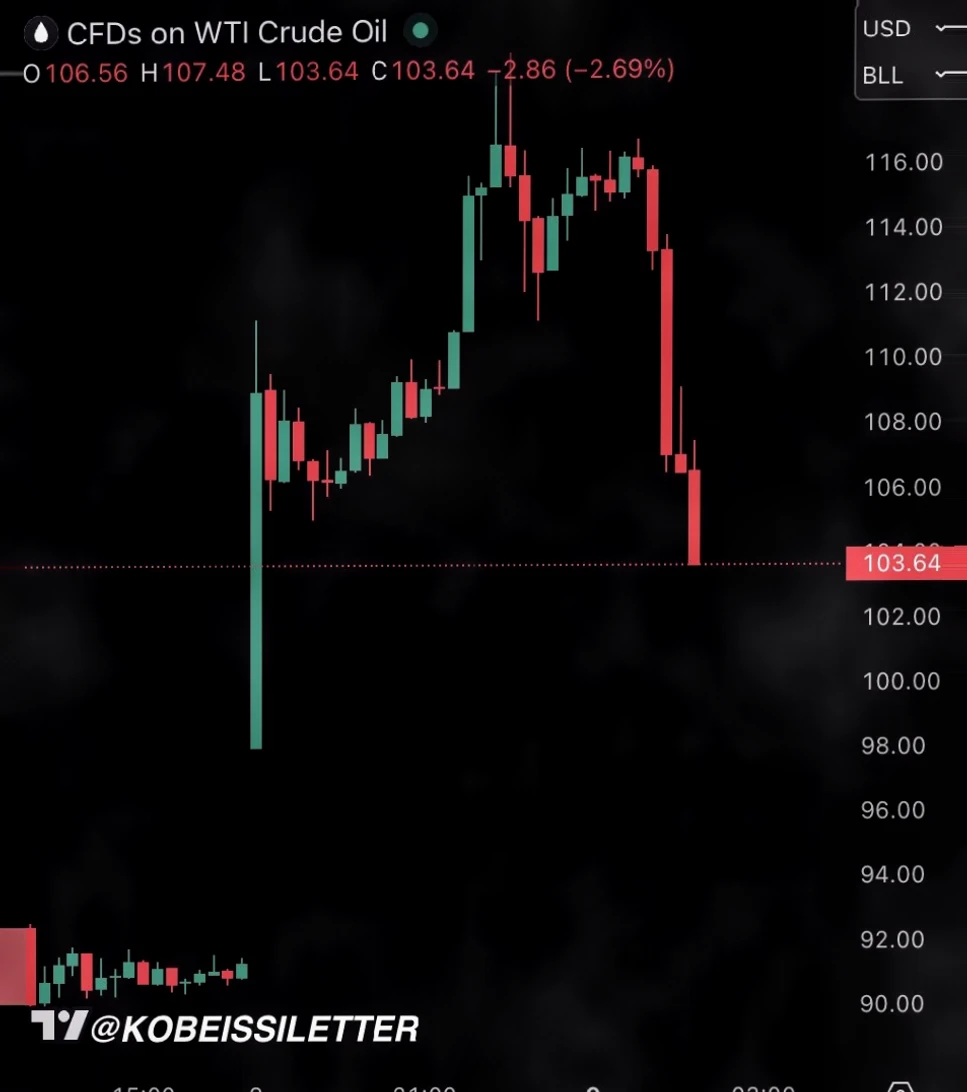
Earlier in the day, oil prices had surged over 30%, but as news of the G7 reserve release emerged, the gains were quickly erased, with prices retreating to around $100 per barrel, showcasing extreme volatility.
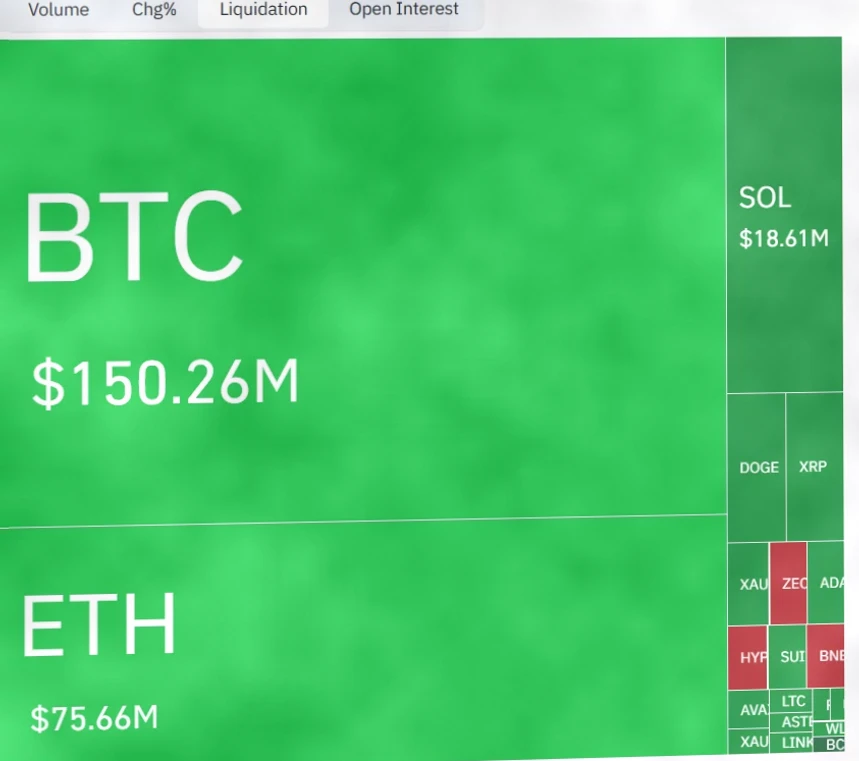
Against the backdrop of intense fluctuations in the traditional energy market, crypto assets demonstrated relative resilience. Bitcoin briefly dipped to $67,000 on the 5-minute chart before quickly rebounding, ultimately stabilizing around $67,500, reflecting its robustness amid short-term macro shocks. During the same period, Ethereum's liquidation amount was approximately $75 million, accounting for over one-third of the total liquidations, indicating that high-leverage positions faced significant pressure during the volatility.
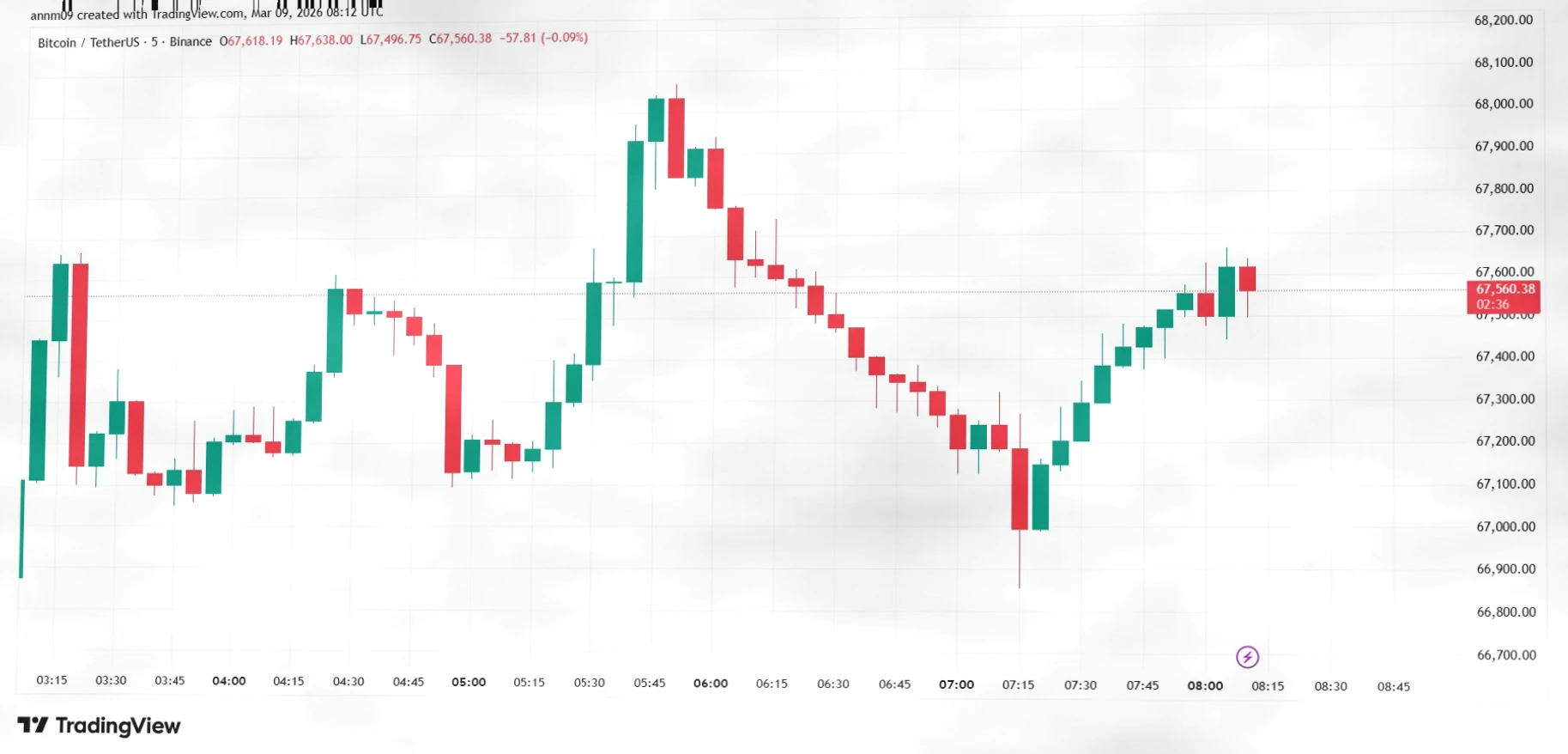
Although the crypto market did not experience a massive collapse, macro events driven by geopolitical and energy policy factors often indirectly affect digital assets through liquidity contraction and shifts in risk sentiment. Currently, Bitcoin remains in a range-bound consolidation, with market sentiment leaning towards caution as investors closely monitor subsequent policy developments and liquidity changes.