

As energy costs continue to climb, the crypto mining industry is actively exploring new deployment solutions for computing power. Recently, tech firm Starcloud proposed a forward-looking plan: launching satellites equipped with specialized mining equipment to mine Bitcoin in low Earth orbit using solar energy. This concept aims to break away from reliance on terrestrial power grids and reduce operating costs.
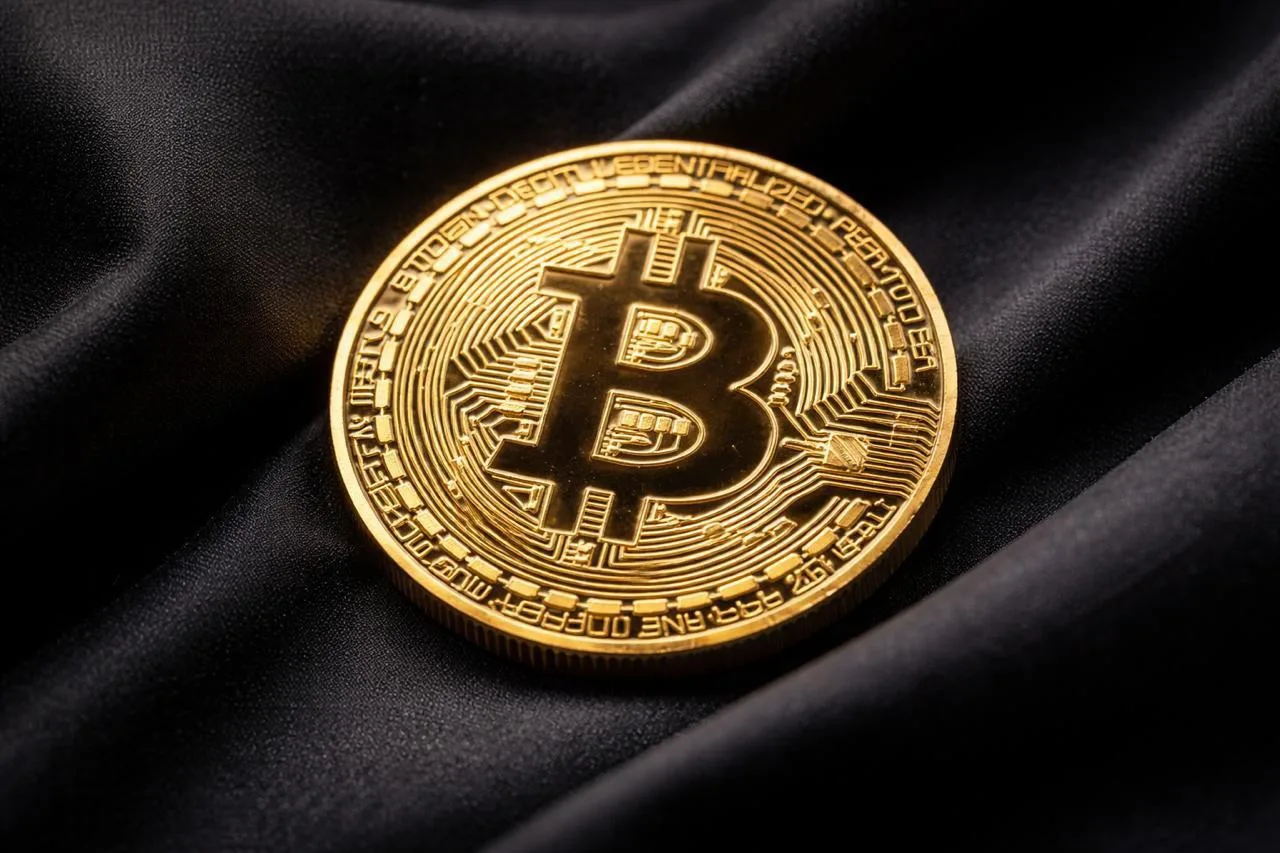
Currently, Bitcoin mining primarily relies on Application-Specific Integrated Circuit (ASIC) miners, which are far more energy-efficient than mainstream Graphics Processing Units (GPUs). For the same power consumption, an NVIDIA B200 graphics card costs approximately $30,000, while a comparable ASIC miner costs only about $1,000. This significant cost difference makes ASICs the preferred choice for large-scale computing power deployments, and also provides feasibility for space deployment.

According to estimates, the global Bitcoin network continuously consumes approximately 20 gigawatts of electricity, a massive energy demand. Starcloud plans to deploy a cluster of satellites equipped with large solar panels to directly capture solar energy in orbit and power the miners. This approach not only avoids regional power fluctuations but also reduces the carbon footprint, aligning with sustainable development trends.
It is worth noting that although the concept of space mining is novel, cross-planetary computing still faces technical bottlenecks. For example, research indicates that Bitcoin mining on Mars would be severely hampered by the communication delay between Earth and Mars, which can be several minutes, disrupting block confirmation and causing mining to fail. Therefore, all current ideas focus on the low Earth orbit environment to ensure low-latency synchronization with ground nodes.
Recently, the Bitcoin network mining difficulty decreased by approximately 7%, from 155.9 trillion to around 145 trillion, providing miners with a brief respite. Although the price of Bitcoin has fallen nearly 48% from its October high of $126,080, the industry continues to explore technological breakthroughs, and space mining may become an important direction for future computing power expansion.