

London, January 2025 – UK Prime Minister Keir Starmer recently issued a clear warning, pointing out that the duration of the current geopolitical conflict is becoming a significant threat to the UK's economic stability. This statement stems from recent abnormal fluctuations in financial markets and the worsening trend of key economic indicators, prompting analysts to deeply scrutinize long-term risks.
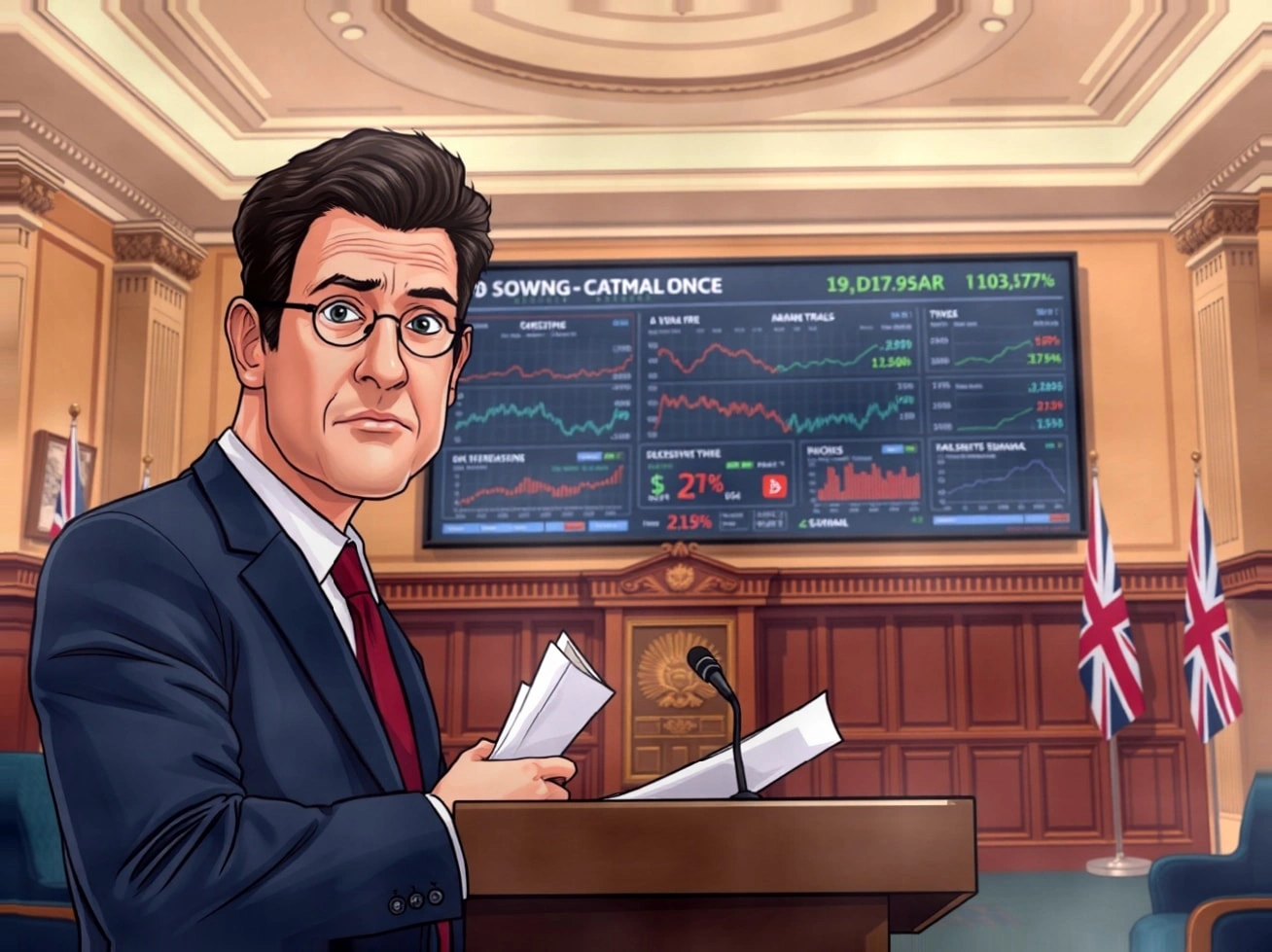
In a public address at Downing Street, Starmer directly linked the length of the conflict to economic resilience for the first time, citing multiple official data charts to illustrate potential risks. Following the speech, the FTSE 100 index experienced significant volatility, and government bond yields also showed atypical fluctuations, with the market reacting swiftly.
Unlike previous governments that tended to downplay risks during crises, the current government has chosen to openly and transparently communicate economic pressures. The charts presented by Starmer in the briefing showed that energy prices are expected to continue to rise in the coming quarters, the supply chain disruption index is far above the historical average, and the consumer confidence index has declined continuously. Together, these factors paint a grim economic picture.
Dr. Eleanor Vance, Chief Economist at the Institute of Economic Affairs in London, stated: "The Prime Minister's warning aligns with classic economic models. Long-term conflict does not bring short-term shocks but systemic structural damage." She emphasized that compared to visible logistical disruptions, hidden risks such as infrastructure vulnerabilities, labor market mismatches, and frozen corporate investment are more worthy of vigilance.
Historical experience shows that the geopolitical turmoil from 2014 to 2015 led to a decline of over 5% in UK manufacturing output. This crisis, coupled with the deep restructuring of the global supply chain and insufficient resilience of digital systems, makes the economic recovery path more complex. Manufacturing is the hardest hit, facing raw material shortages and soaring costs; the service industry is squeezed by both weak consumption and obstructed cross-border payments; and the energy and logistics sectors have become the core nodes for risk transmission.
Experts unanimously believe that if the conflict lasts for more than 12 months, the UK may face the most severe structural recession since 2008. The government is urgently assessing fiscal buffers and industrial resilience plans, but the policy window is narrowing.