

Key Points:
President Trump set a deadline for Iran on Tuesday, creating a critical moment for Bitcoin as its correlation with gold continues to decline.
While a ceasefire agreement may boost the stock market, whether Bitcoin can reach $75,000 depends on its role as a safe-haven asset amid financial instability.
Bitcoin may benefit from (or not benefit from) a US-Iran ceasefire:
- If the agreement fails, Bitcoin's risk perception may increase due to its unique decentralized characteristics. Conversely, positive progress in negotiations could drive up risk assets, including Bitcoin.
Reports indicate that senior Iranian officials have stated that the Strait of Hormuz will remain blocked until Iran receives war reparations.
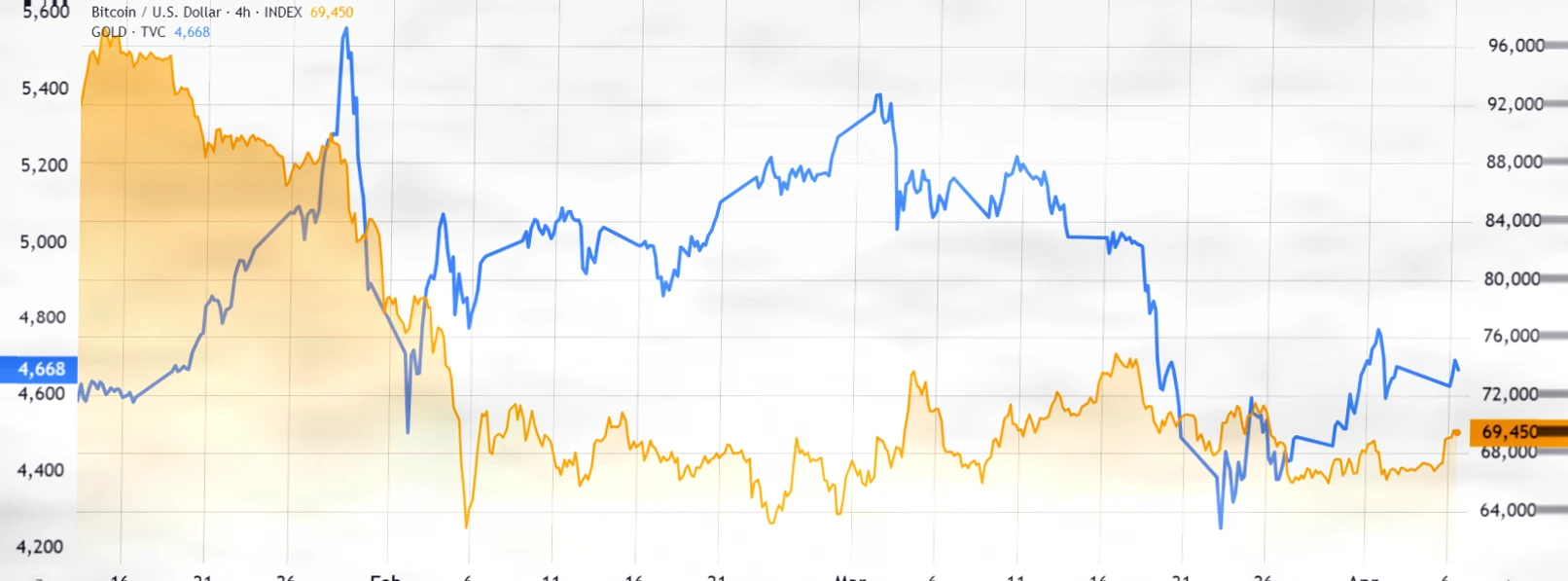
These mixed signals failed to persuade market participants on Monday, with US stocks trading mostly flat. In contrast, Bitcoin's price surged above $69,000 for the first time in over ten days, a notable trend given that gold prices are nearing $4,650, down 17% from their historical peak of $5,600.
Bitcoin is gradually catching up to gold:
Traders are increasingly concerned that central banks will be forced to sell gold reserves. The Central Bank of Turkey reported a sale of 50 tons of gold in the week ending March 20, marking the largest decline in seven years.
Traditional businesses are highly dependent on energy costs and global logistics. Therefore, any reduction in geopolitical risks will be immediately reflected in stock prices.
However, the impact of an agreement between the US and Iran on Bitcoin may be less direct, as resolving the conflict could enhance demand for US Treasury bonds.
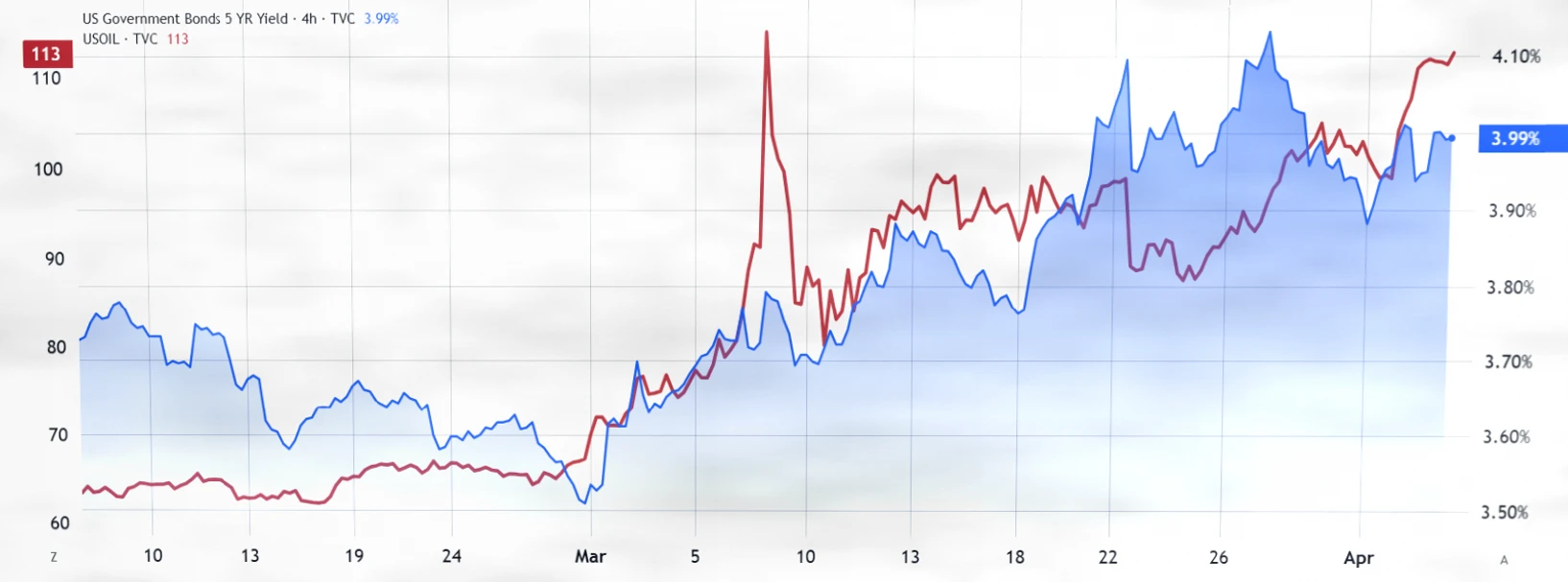
The final ceasefire and restored confidence in US Treasuries reduce the demand for alternative hedging tools and independent financial systems like Bitcoin.