

The Bitcoin network has reached a significant milestone: the 20 millionth BTC has been successfully mined. As the world's first decentralized digital currency, Bitcoin's total supply is permanently capped at 21 million coins, and this milestone further reinforces its scarcity.
Unlike traditional fiat currencies that can be printed infinitely, Bitcoin's issuance mechanism is strictly defined by code, gradually releasing coins according to a predetermined schedule. This verifiable and immutable rule system makes Bitcoin a rare form of “hard currency” in the digital world. Any changes require consensus across the entire network, making it nearly impossible to implement without causing significant market upheaval.
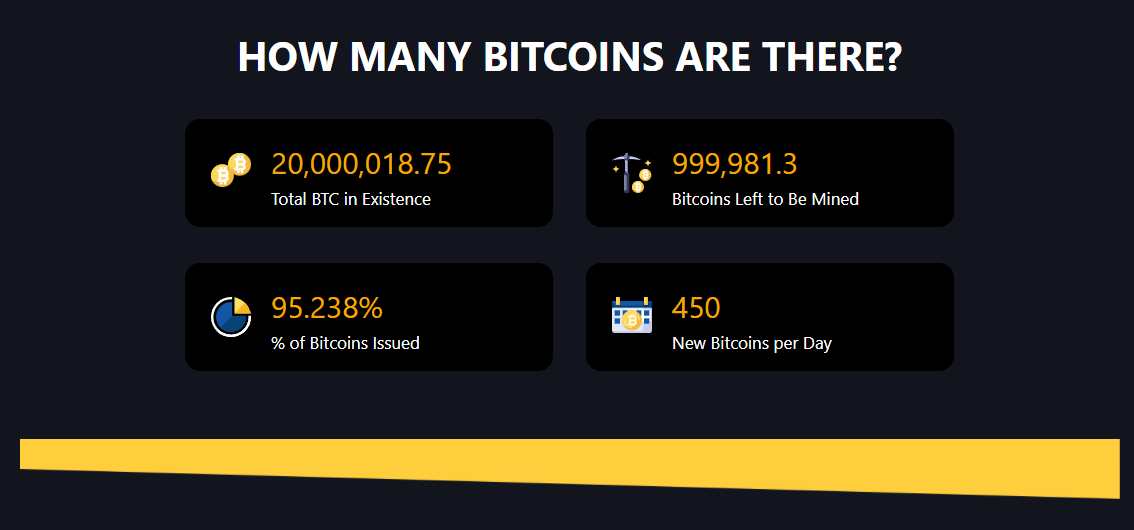
As the network continues to evolve, mining rewards undergo a “halving” every four years, with the latest occurring in 2024, reducing the block reward from 6.25 BTC to 3.125 BTC. The next halving is expected in 2028, when the reward will again be halved to 1.5625 BTC. This mechanism causes the daily issuance of new Bitcoins to continually decline, with the current average production at about 450 coins per day. It is estimated that by 2030, only a small portion of the remaining 1 million coins will be mined.
Estimates suggest that the final Bitcoin may be mined around the year 2140. Meanwhile, a significant amount of Bitcoin has become permanently inactive due to lost private keys, damaged wallets, or the death of holders. The industry widely believes that millions of BTC are no longer usable, meaning the actual circulating supply is far below the theoretical maximum, further amplifying its scarcity.
As block rewards approach zero, miners' income will increasingly rely on transaction fees. This will also drive the network to seek a new balance between security and economic incentives, laying the groundwork for Bitcoin's long-term operation in the future.