

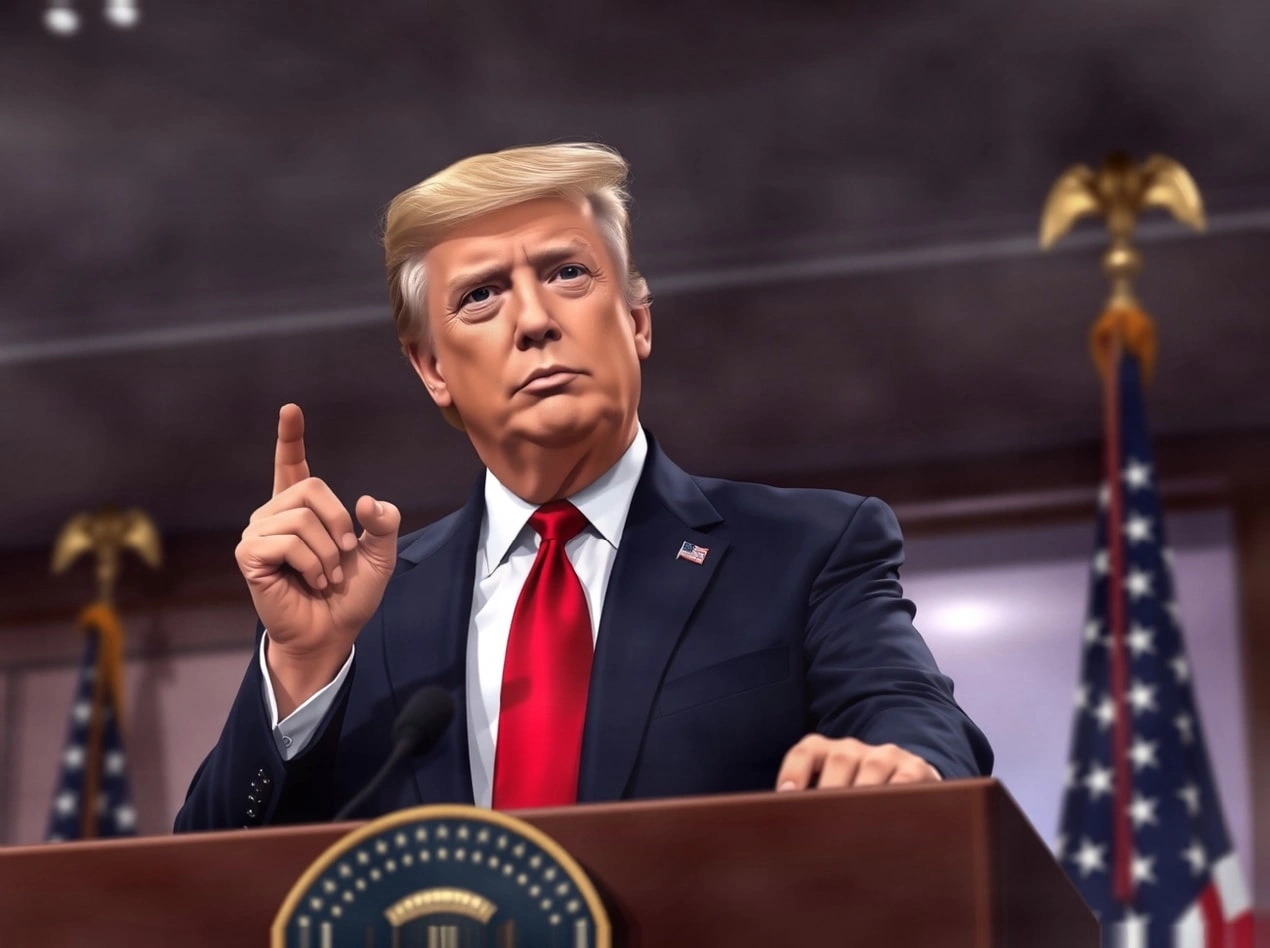
Washington — U.S. President Trump made a solemn declaration during a White House briefing that the United States will never send ground troops to Iran. This statement marks a significant shift in U.S. security policy in the Middle East. It not only ends long-standing speculation about potential ground military actions by U.S. forces but also delineates clear strategic boundaries for regional allies and adversaries.
Despite the presence of approximately 900 U.S. soldiers in Syria and thousands of troops across multiple countries in the Middle East, Trump's statement explicitly excludes Iran from any potential military deployments. This position contrasts with the flexible strategies previously adopted by past administrations regarding the Iran nuclear issue, reflecting a commitment to the core principle of “avoiding entanglement in prolonged ground wars.”
Historically, U.S.-Iran relations have been tense since the 1979 Iranian Islamic Revolution. The Obama administration sought diplomatic thawing through the Joint Comprehensive Plan of Action, while the Trump administration unilaterally withdrew from the agreement in 2018, leading to a resurgence of tensions. In recent years, incidents such as drone attacks, tanker seizures, and missile threats have drawn significant attention to the brink of war policy. However, this public commitment sets a clear red line for the current tensions.
Security experts point out that this policy has threefold strategic significance: first, it significantly reduces the risk of direct military conflict; second, it enhances the predictability of U.S. commitments to regional partners; and finally, it provides clear constraints for U.S. military planning, avoiding excessive resource dispersion. Compared to the ambiguous statements of previous administrations, Trump's position is more consistent and aligns closely with his overall diplomatic framework of “America First” and “limited intervention.”
This statement has profound implications for the security landscape in the Middle East. While Gulf Cooperation Council countries have not publicly responded with enthusiasm, they have begun to reassess their security cooperation paths internally; European allies generally welcome the move cautiously, believing it contributes to regional stability; and although Iranian officials have not commented directly, their diplomatic channels have indicated an indirect acknowledgment of a “non-military resolution path.”
Moreover, the international energy market is also sensitive to this development. Geopolitical risk premiums in the Middle East had previously driven up oil prices, but this clear commitment not to deploy troops is gradually alleviating market concerns about the outbreak of full-scale conflict, bringing short-term stability expectations for global crude oil prices.