

WASHINGTON – December 2025: Former President Donald Trump reportedly told aides that if Iran refuses to abandon its nuclear program, he would support replacing the new Supreme Leader, Mojtaba Khamenei. This statement is seen as a significant signal of further tension in U.S.-Iran relations, foreshadowing a potentially more aggressive U.S. policy toward Iran. Mojtaba Khamenei was recently elected by Iran's Assembly of Experts to succeed his late father, Ayatollah Seyyed Ali Khamenei, as the new Supreme Leader.
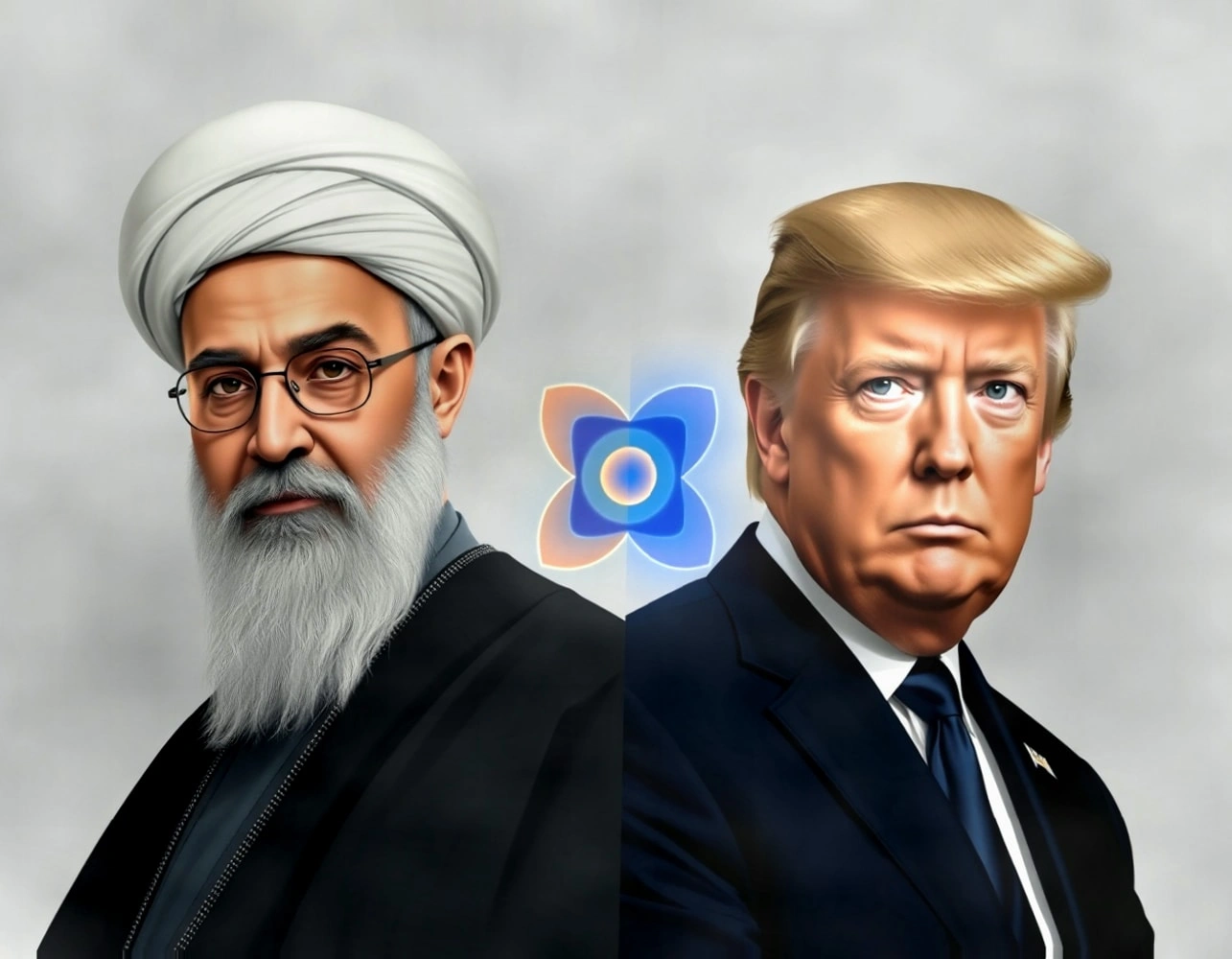
If Trump were to truly push for regime change in Iran, it would break traditional diplomatic boundaries. Although his administration had already implemented severe sanctions against Iran through a strategy of maximum pressure, publicly advocating for the replacement of another country's supreme leader remains a rare political move. This action is also consistent with his previous stance of questioning the legitimacy of Iranian elections.
Analysts point out that such remarks could have a profound impact on the Middle East's geopolitical landscape. The Assembly of Experts consists of 88 Islamic scholars, and its election procedures comply with the framework of the Iranian constitution. Mojtaba Khamenei has long been regarded as a potential successor, and his governing style and policy inclinations remain under international observation.
Currently, Iran is facing severe economic and diplomatic pressure. Its nuclear program continues to attract external attention: the latest report from the International Atomic Energy Agency (IAEA) shows that Iran has increased uranium enrichment purity to 60% at the Fordow and Natanz facilities, approaching weapons-grade levels. At the same time, Iran is still expanding its centrifuge deployment scale, significantly enhancing its nuclear capabilities.
Looking back, U.S.-Iran relations have been adversarial since the 1979 Islamic Revolution. The Trump administration unilaterally withdrew from the Iran nuclear deal (JCPOA) in 2018, subsequently intensifying the confrontation through military deterrence and financial blockade. This statement can be seen as a continuation of his consistent hard-line approach.
It is worth noting that changes in Iranian leadership often accompany adjustments in domestic and foreign policies. However, external pressure during such sensitive periods may further complicate the situation. Most international actors tend to ease tensions during the transition period through diplomatic channels, avoiding exacerbating conflicts.
Currently, the nuclear issue remains at the core of the U.S.-Iran game. Technological progress and political will are intertwined, making any solution highly complex. The future direction of negotiations will depend on whether both sides can find a balance between security concerns and strategic concessions.