

WASHINGTON – At a critical juncture in reshaping the global energy and geopolitical landscape in 2025, former U.S. President Donald Trump has publicly stated that it is currently premature to discuss seizing Iranian oil assets. This statement not only alters his previous hard-line stance of 'maximum pressure' but also injects new uncertainty into the tense Middle East situation, drawing widespread attention from international energy markets and security analysis circles.
Trump's remarks are seen as a tactical retreat rather than a policy reversal. Although his administration had severely damaged the Iranian economy through comprehensive sanctions, the feasibility of directly using force to intercept oil tankers is currently facing multiple constraints. On one hand, the global oil supply chain is extremely sensitive. According to data from the U.S. Energy Information Administration (EIA), approximately 20% of global crude oil transportation passes through the Strait of Hormuz. Any military intervention could trigger drastic fluctuations in oil prices and even spark regional conflicts.
From a legal perspective, seizing the energy assets of a sovereign nation lacks a clear basis in international law. The United Nations Charter explicitly prohibits the use of force to infringe upon national sovereignty. Although there is a precedent for collective action against Iraq in the 1990s, it was under the auspices of a UN-authorized multilateral mechanism, which is fundamentally different from the legitimacy of current U.S. unilateral action. Iran's oil exports are not only a financial pillar but also crucial to maintaining its social operations and military capabilities. According to tanker tracking data estimates, Iran's average daily crude oil exports remain above one million barrels. Any interception would constitute a significant challenge under international maritime law.
Such actions also require the support of a strong naval force. The U.S. Fifth Fleet, stationed in Bahrain, has regional projection capabilities, but if it were to implement large-scale oil tanker interceptions, it would have to coordinate with Gulf countries, European allies, and even the International Maritime Organization, making the operation highly complex and politically costly.
Elena Rodriguez, a senior fellow at the Center for Strategic and International Studies (CSIS), pointed out: 'This statement reflects the decision-makers' realistic considerations. Politically, there is still a need to confront Iran, but physically seizing oil is too costly to implement and could easily trigger a global market backlash.' Energy market consultants also warned that even a brief disruption of one million barrels per day of supply could cause international oil prices to soar by 15% to 25% in the short term, thereby impacting the pace of global economic recovery.
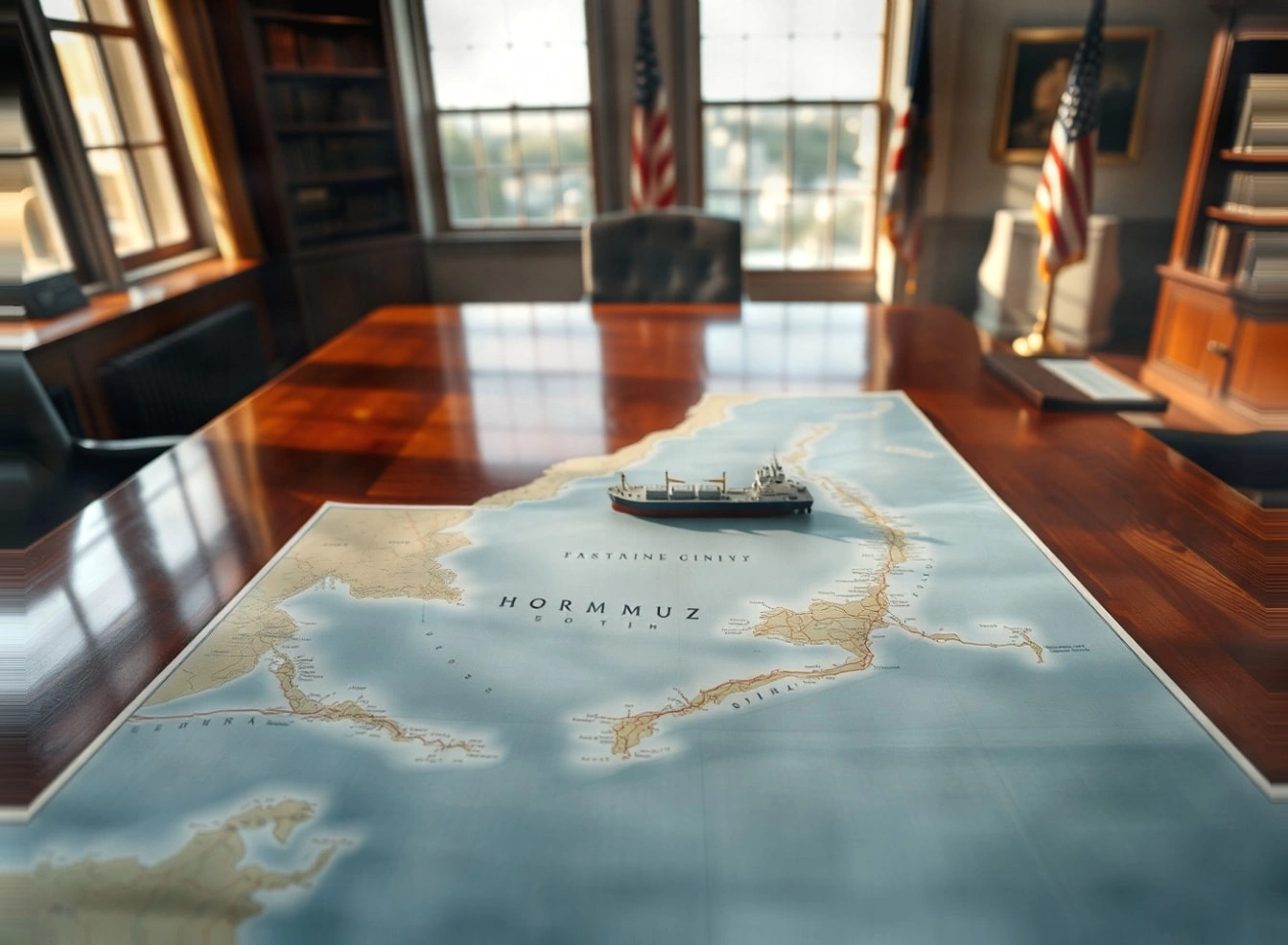
Under multiple constraints, Trump's 'pause' stance is more like a strategic buffer, aimed at buying time for diplomatic mediation, intelligence assessment, and ally coordination, rather than abandoning the long-term policy goal of suppressing Iran.