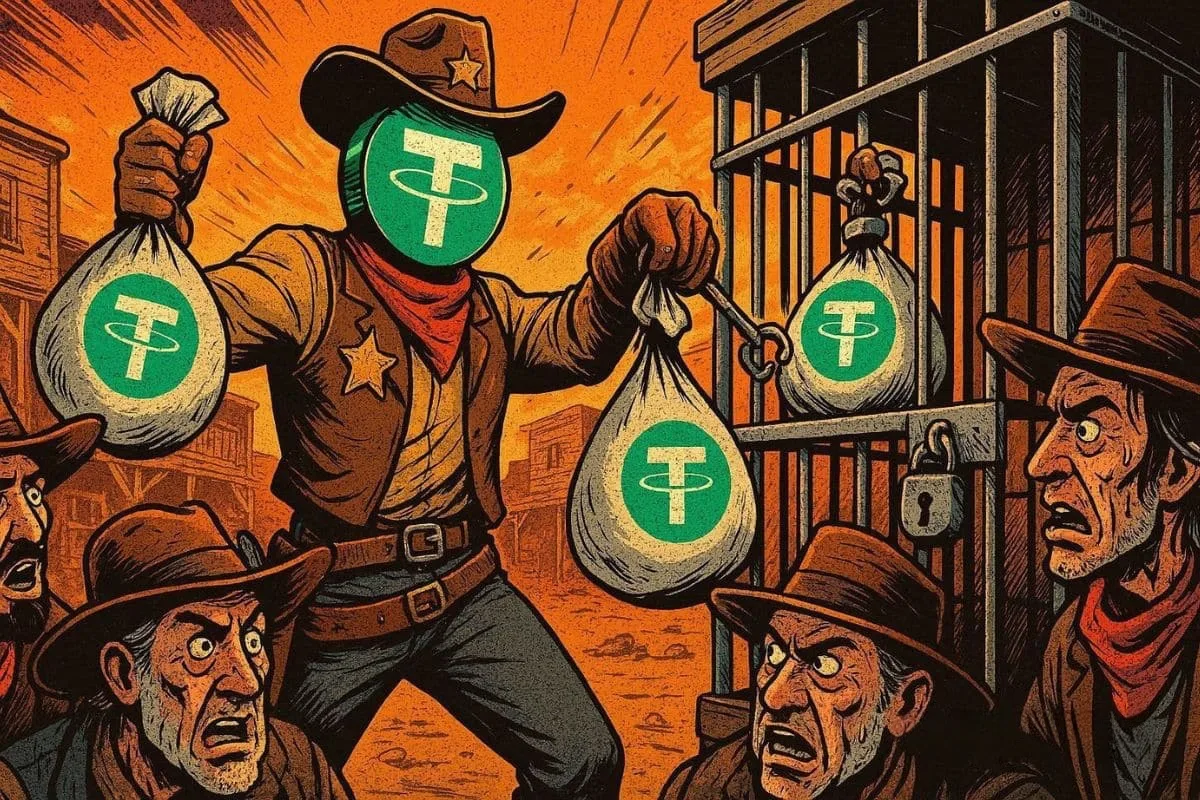
Anthropic faced a federal government ban for refusing to provide autonomous weapons and mass surveillance support to the U.S. military, potentially losing billions in valuation, but gained market trust, sparking a deep discussion on AI governance and supply chain security.
AI company Anthropic, known for its Claude large language model, is facing the risk of significant commercial losses due to a major disagreement with the U.S. Department of Defense over the boundaries of military AI use. The conflict stems from a $200 million military contract last July, where the Pentagon demanded access to Claude for “all legal purposes.” However, Anthropic CEO Dario Amodei clearly drew two red lines: refusing to develop fully autonomous lethal weapon systems and prohibiting its use for mass surveillance of American citizens. This stance was rejected by the military, leading the Department of Defense to order the immediate shutdown of Claude and complete a system transition within six months. Subsequently, all federal government agencies were instructed to cease using Anthropic technology.
This decision exposes the U.S. military's high dependence on a single vendor for critical AI systems. According to insiders, the “Maven Smart System,” built by Palantir and integrated with Claude, was used to quickly identify targets in military operations against Iran. The sudden interruption of the system raised serious concerns about operational safety, revealing the vulnerability of the U.S. military's AI infrastructure.
Despite the government blockade, Anthropic's commercial performance remains strong. Its enterprise revenue has jumped from $9 billion to approximately $20 billion in a matter of months, thanks to the widespread adoption of products like Claude Code by enterprise clients. In February, the company completed a $30 billion funding round led by Singapore's Temasek and Coatue, solidifying its position as the world's most valuable private AI company. Anthropic stated that the government's actions are “destroying the economic value created by one of the fastest-growing private companies in the world.”
Meanwhile, the Pentagon is rapidly shifting to other AI vendors. OpenAI has been granted the same level of classified access as Claude, and Elon Musk's xAI has entered the military system evaluation process, with negotiations with Google proceeding in parallel. One official admitted, “We need redundancy; we can no longer rely on a single vendor.” However, unlike Anthropic, OpenAI's agreement is said to have only a “thin security layer,” making it difficult to effectively constrain potential abuse.
It is worth noting that Anthropic's ethical stance has actually enhanced its market reputation. Consumer and enterprise customer trust in its brand has increased, with downloads and commercial partnership negotiations accelerating significantly. This dispute is not only a business crisis but also triggers a deep reflection in the tech community on the core issues of AI governance: Who has the right to decide the boundaries of AI applications? Will companies that adhere to safety ethics ultimately become the definers of industry standards?
0 comment A文章作者M管理员
No Comments Yet. Be the first to share what you think
❯
Profile
Search
Checking in, please wait...
Click for today's check-in bonus!
You have earned {{mission.data.mission.credit}} points today