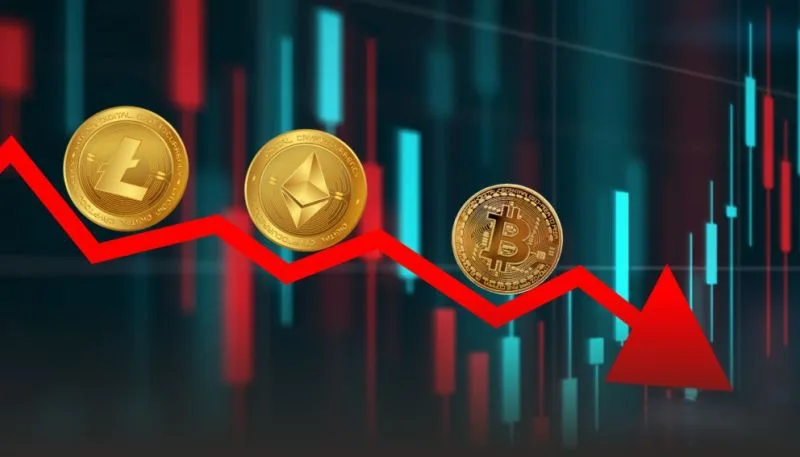
Geopolitical tensions boost oil trading while Bitcoin weakens, revealing its high-risk asset nature. Decentralized platforms like Hyperliquid are becoming new hubs for macro trading, accelerating the trend of on-chain assets merging with traditional markets.
Recently, as tensions in the Middle East escalated, oil prices have risen significantly, while Bitcoin has weakened in tandem, hitting a seven-day low. This unusual trend has drawn market attention, especially from traders who have long viewed Bitcoin as a hedge against geopolitical risks, prompting them to reassess its asset characteristics. Capital has not flowed into crypto assets as expected, but instead has shifted to traditional safe-haven assets such as gold and oil, suggesting that Bitcoin, under extreme uncertainty, remains closer to a high-beta risk asset.
Against this backdrop, trading volume on the decentralized derivatives platform Hyperliquid has surged, becoming a new arena for institutions and professional traders to execute macro strategies. Users can trade oil, foreign exchange, and cryptocurrency derivatives simultaneously on a single interface, breaking down the time and channel barriers of traditional financial markets. This trend is quietly changing the market's perception of DeFi News platforms—they are evolving from "crypto casinos" into global macro trading infrastructure.
It is worth noting that the on-chain trading volume of tokenized traditional assets (such as energy and commodities) continues to expand, attracting some traditional financial institutions to quietly enter the market, testing the hedging and price discovery functions of on-chain derivatives through anonymous accounts. Despite the platform's active trading, Hyperliquid's native token has not risen in tandem, reflecting a common phenomenon in the crypto market: a significant decoupling between platform usage and token price.
This series of changes reveals a deeper trend: blockchain finance is accelerating the integration of traditional macro markets, and future traders may no longer distinguish between "on-chain" and "off-chain," but will instead focus on asset liquidity, execution efficiency, and the overall allocation of risk exposure.
0 comment A文章作者M管理员
No Comments Yet. Be the first to share what you think
❯
Profile
Search
Checking in, please wait...
Click for today's check-in bonus!
You have earned {{mission.data.mission.credit}} points today