Bitcoin surpasses $69,000, driven by US-Iran tensions and TACO trading. The market seeks opportunities amid geopolitical risks, with crypto assets reflecting global sentiment. Gold and oil fluctuate sharply, and future trends depend on rapid conflict resolution.
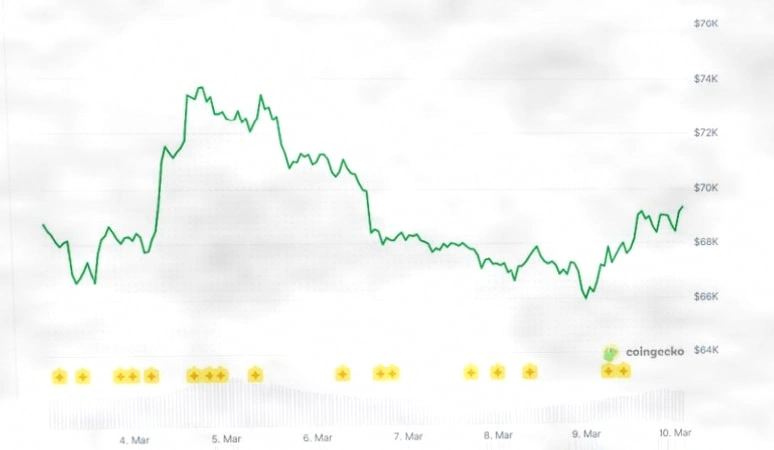
As geopolitical risks escalate, the market is leveraging the 'TACO trading' strategy to capture volatility opportunities in the cryptocurrency space. Bitcoin's price has reclaimed the $69,000 level, while the crude oil market has experienced significant turbulence, with WTI crude plummeting from a high of $120 to $85-86 within a day, reflecting investors' rapidly changing expectations regarding the US-Iran conflict.
On March 9th, Trump stated that military operations against Iran were progressing "far beyond expectations" and hinted that the conflict might "end soon." This statement quickly boosted risk asset sentiment, with the crypto market becoming the preferred channel for real-time global capital pricing. Unlike traditional financial markets, crypto trading operates 24/7. When Trump announced 'Epic Fury Operation' in the early hours of February 28th, major exchanges were already closed, while Bitcoin, stablecoins, and prediction markets took on the role of reflecting market sentiment.
Bitcoin 7-Day Price Chart. Source: CoinGecko
Tether's gold-backed token XAUT saw its single-day trading volume exceed $300 million over the weekend, and prediction platforms Polymarket and Kalshi also reached all-time highs. Simultaneously, gold ETFs absorbed approximately $16 billion in funds, indicating a rotation of some capital from 'digital gold' to physical gold, becoming one of the most significant macro trades of early 2026.
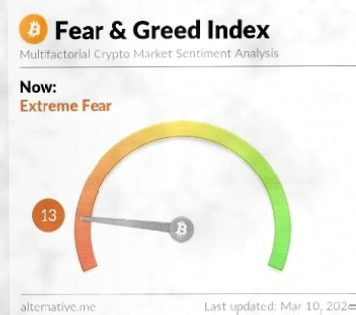
Crypto Fear & Greed Index. Source: Alternative.me
Despite market bets on a swift de-escalation, JPMorgan Chase warns that the complexity of this geopolitical conflict far exceeds tariff disputes. Their analysis points out that Trump's rate of fulfilling threats in his second term has risen to 60%, significantly higher than in his first term. Former quant head Marko Kolanovic emphasized: "You cannot reverse the destruction of global energy infrastructure or replace the Iranian leadership with a tweet."
BitMEX co-founder Arthur Hayes raises another risk: if the conflict persists, prolonged high oil prices could impact the bond market, forcing the Federal Reserve to return to emergency liquidity support mode. Since mid-2025, the annualized growth rate of US federal debt has reached 14%, and a prolonged war will further exacerbate fiscal pressure.
JPMorgan Chase's baseline forecast suggests that the US and Iran will reach a compromise within two to three weeks, primarily driven by the urgent need for oil price stability in an election year. If this scenario materializes, the TACO trading strategy will continue to be effective, and risk assets may see a new round of rallies. However, the current situation remains highly uncertain – will Trump truly back down? Is this time different from the past? The answers may be revealed in the coming month.
0 comment A文章作者M管理员
No Comments Yet. Be the first to share what you think
❯
Profile
Search
Checking in, please wait...
Click for today's check-in bonus!
You have earned {{mission.data.mission.credit}} points today