

Since the escalation of tensions between the US and Iran, global fertilizer prices have soared by over 30%, with urea prices climbing to $570 per short ton, a high not seen since October 2022. This supply chain disruption is directly impacting US farmers' preparations for spring planting. Market analysts point out that the resulting inflationary pressures may indirectly influence the Federal Reserve's policy direction, creating new narrative space for Bitcoin.
QatarEnergy shut down the world's largest single-unit urea plant due to natural gas supply disruptions. Bangladesh suspended operations at four of its five fertilizer plants. India and Pakistan have also successively reduced production scales. These chain reactions have exacerbated the tight supply of global nitrogen and phosphate fertilizers.
Morningstar analyst Seth Goldstein predicts that nitrogen fertilizer prices could double, and phosphate fertilizer prices could rise by as much as 50%. He noted, "If supply disruptions persist for more than a few weeks, prices could very well return to the peak levels seen during the Russia-Ukraine conflict in 2022."
As a crucial input for agricultural production, fertilizer cost fluctuations directly translate to food prices. In the US CPI basket, food accounts for approximately 14%, so rising fertilizer prices will push up overall inflation data, increasing the difficulty for the Federal Reserve to cut interest rates. However, some crypto analysts believe that the fiscal expansion and rising debt triggered by geopolitical conflicts may actually strengthen Bitcoin's appeal as a hedge.
It has been observed that since mid-2025, the annualized growth rate of US federal debt has approached 14%. Analyst Connors stated, "When interest rates decline and debt continues to expand, it is precisely the macroeconomic environment in which Bitcoin has historically performed strongly."
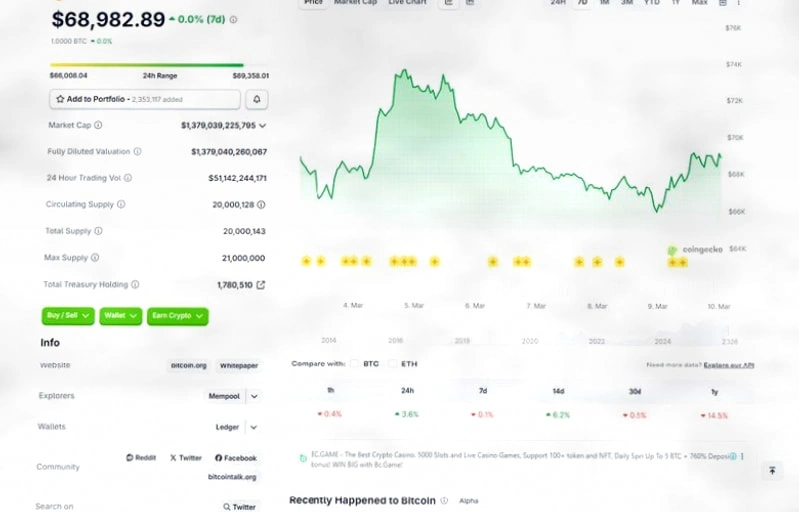
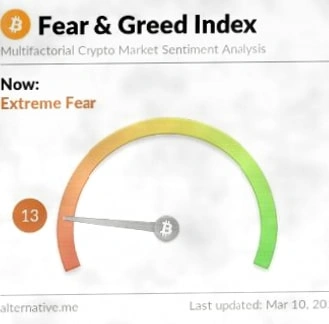
Iran Conflict Fuels Fertilizer Price Surge: Can Bitcoin Rebound on Inflation Expectations?
The Iran conflict is driving up global fertilizer prices, pushing up food inflation, and potentially influencing the Federal Reserve's policy direction. Analysts believe that fiscal expansion and rising debt may create a favorable macroeconomic environment for Bitcoin, but it remains suppressed by risk sentiment in the short term.