

On Telegram, 40 million people have successfully entered the world of cryptocurrency through mini-games. What impresses me is not just this number, but the backgrounds of these users. Most of them had never encountered cryptocurrency before, and many didn’t even know what a wallet was, let alone a consensus mechanism. They simply clicked a button in a messaging app they use daily and gained digital assets. That’s the entire onboarding process.
And it worked.
I keep pondering this phenomenon because, for the past decade, the crypto industry has been discussing 'widespread adoption,' and for most of that time, we’ve been building products for ourselves. Complex interfaces, requiring users to write down a twelve-word seed phrase and store it in a fireproof safe, and even timing operations that require a PhD to master. We talk about wanting billions of users while building products that confuse even our friends.

However, some changes have occurred over the past two years. Notcoin first transformed token distribution into a click-to-earn game on Telegram, attracting millions of users with no crypto background. Hamster Kombat took this model to the extreme. These are not complex decentralized finance protocols but simple, addictive games that just happen to run on the blockchain. The number of users they attract surpasses the total of many 'serious' projects.
The lesson is clear. People adopt technology not because it is technically impressive, but because it is simple and useful to them. That’s the whole secret.
Of course, airdrops are just part of this phenomenon. A quieter revolution—one that deserves more attention—is stablecoins, particularly USDT.
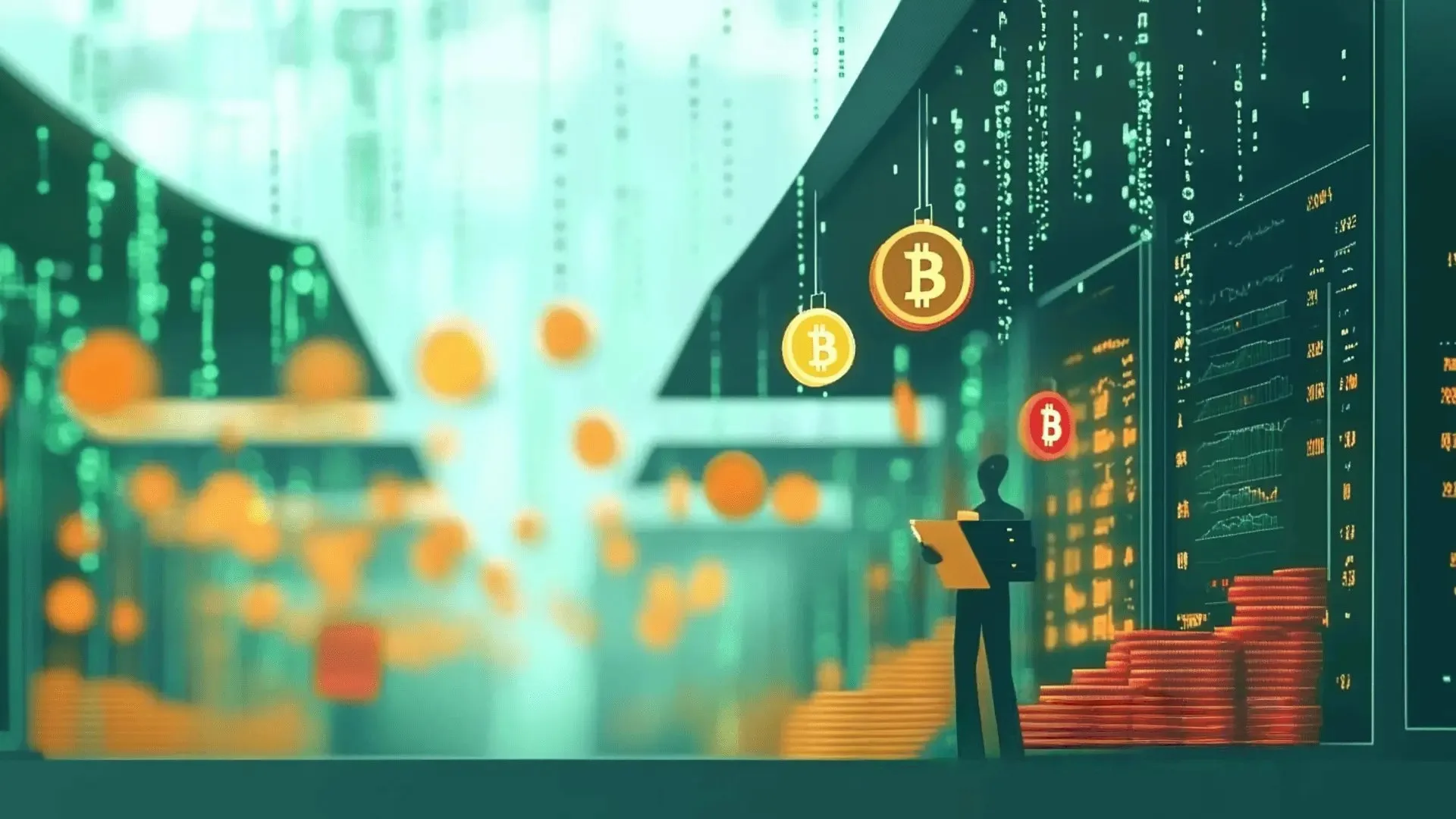
I’ve spoken with freelancers in Southeast Asia who are paid entirely in USDT. There are families in Africa who don’t have to endure transfer fees of up to 25% when sending remittances. Small business owners in post-Soviet countries are storing their savings in digital dollars because their local currencies have depreciated by 30% in a year. These people wouldn’t call themselves 'crypto users'; they would simply say they use USDT. It’s a tool that meets their needs. The underlying blockchain is completely invisible to them, and that’s exactly how it should be.
Next up is tokenized stocks, which I believe will be the next big wave. The core idea is simple: put stocks of Apple, Tesla, or NVIDIA on the blockchain, allowing anyone to buy a piece from anywhere in the world. This is transformative for someone in Jakarta wanting to engage with the U.S. tech sector for just $10. Good luck trying to open a U.S. brokerage account from Indonesia. Tokenization neatly bypasses all the barriers of traditional finance.
It’s still early days, with thin liquidity and regulators still figuring out how to view this. But BlackRock is already tokenizing funds, and Franklin Templeton is also in action.