

In March 2025, the global foreign exchange market experienced significant volatility, with the Dollar Index (DXY) dropping about 0.8% in early trading on Tuesday, marking one of its largest single-day declines in recent times. This movement is widely interpreted by the market as a direct response to easing expectations regarding the situation in Iran. Recently, multiple diplomatic representatives have released positive signals, suggesting that a multi-phase agreement covering nuclear activity restrictions and gradual sanctions relief is taking shape.
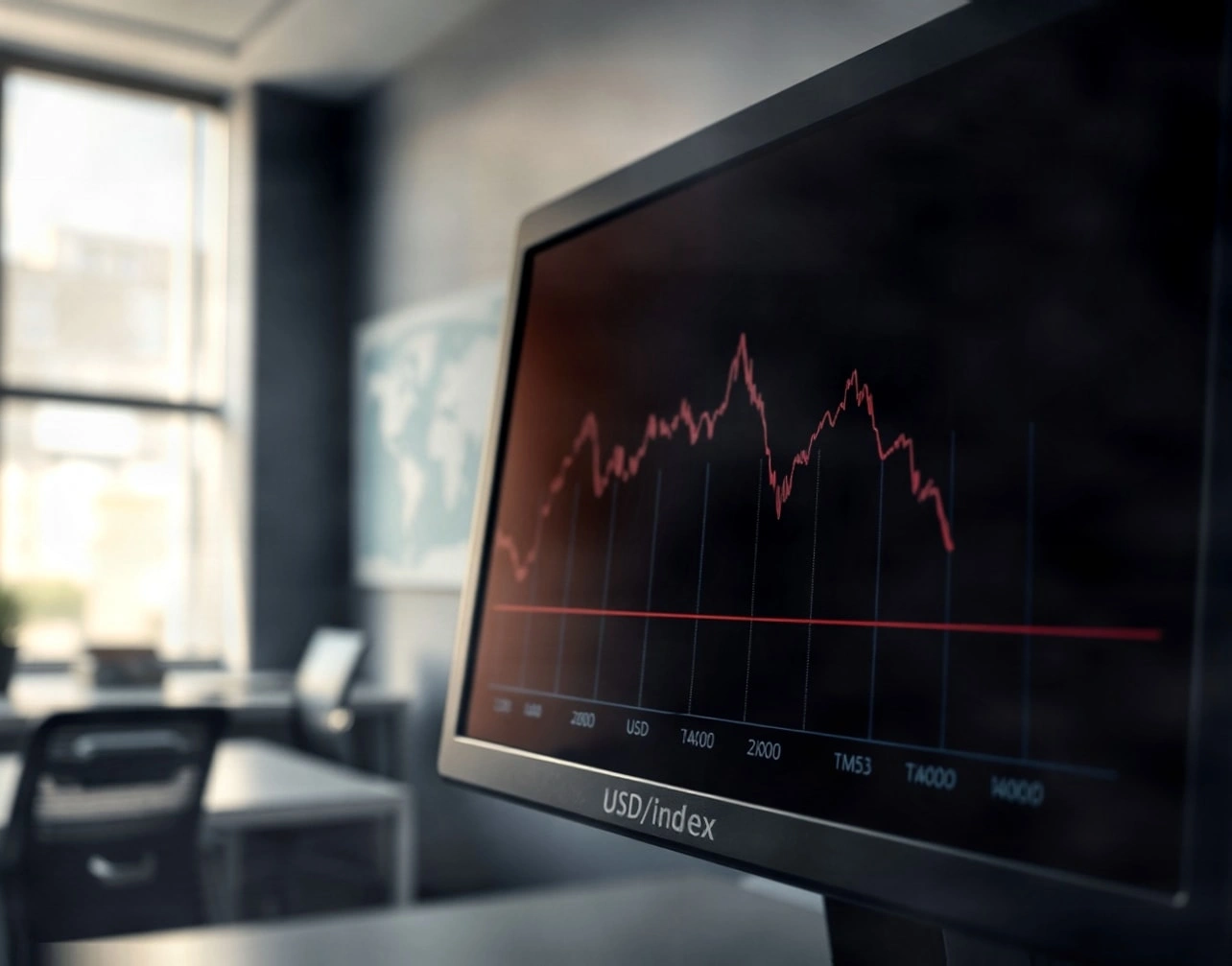
Historically, the dollar has served as a traditional safe-haven asset, often strengthening during periods of heightened geopolitical tension. However, this reverse movement reflects a reassessment of global risk expectations by investors. With the potential easing of sanctions, expectations for Iranian oil returning to the international market are rising, and regional trade frictions are likely to decrease, all of which collectively weaken the supporting logic for the dollar.
Dr. Anya Sharma, Chief Currency Strategist at a global forex insights firm, noted: "Capital flows are extremely sensitive to geopolitical risk premiums. The current dollar pullback is essentially an orderly unwinding of risk-off positions accumulated over the past few months, marking a shift in market benchmarks from 'uncertainty' to 'predictable stability.'"
However, market analysts also caution that the current trend remains fragile. Marcus Chen, Chief Economist at Sterling Macro Research, emphasized: "A day of optimism cannot establish a trend. Any setbacks in negotiations could lead to a rapid rebound in the dollar. The current market pricing is based on expectations, not on a final agreement."
This scenario is not unique. When the Iran nuclear deal (JCPOA) was initially reached in 2015, the dollar also experienced a phase of weakening; similarly, during the progress of North Korean nuclear talks in 2018, a comparable reallocation of funds occurred. This indicates that when significant geopolitical risk expectations ease, global capital often shifts from safe-haven assets to risk assets, leading to a relative weakening of the dollar. Future trends will still heavily depend on the continuity and transparency of the negotiation process.