

March 2025, London – Deutsche Bank's latest foreign exchange research report indicates that the pound sterling has received significant support in the short term, primarily driven by the market's repricing of the Bank of England's (BoE) monetary policy path. This change is profoundly impacting the valuation structure of the pound sterling in major global currency pairs, becoming a focal point for traders and investors.
Policy Repricing: The Underlying Logic of Sterling's Strength
“Policy repricing” in the currency market refers to investors adjusting their expectations for future interest rate movements based on the latest economic data. Currently, the market is reassessing the likelihood of future interest rate hikes by the BoE. This adjustment directly affects the attractiveness of the pound sterling as a high-yield currency.
Deutsche Bank's analysis points out that the three key factors driving this repricing include: first, some core inflation indicators in the UK remain sticky and have not fully fallen back to the 2% target; second, the labor market remains tight, with wage growth pressures unabated; and third, the divergence of monetary policies among major global central banks has intensified, highlighting the relative advantage of UK bond yields. These factors collectively push market expectations towards a more “hawkish” policy path.
This change in expectations is first reflected in the interest rate futures market, then transmitted to the government bond yield curve, and ultimately reflected in exchange rate pricing. This transmission chain from interest rate expectations to exchange rates provides a clear signal path for foreign exchange traders but also brings the risk of periodic fluctuations.
BoE Stance: From Tightening to Data Dependency
The Bank of England's core mission remains to achieve the 2% inflation target. Over the past decade, its Monetary Policy Committee (MPC) has undergone multiple cycles of testing, especially in the face of supply chain disruptions and soaring energy prices after the pandemic, making policy adjustments difficult. Although there has been a slow trend toward normalization recently, some inflationary pressures still exist.
Currently, the MPC has explicitly adopted a “data-dependent” strategy, where each inflation, employment, or consumption data point may affect the judgment of the interest rate path. While this flexibility enhances policy adaptability, it also exacerbates market uncertainty. Deutsche Bank, through analyzing recent meeting minutes and officials' voting tendencies, judges that the possibility of maintaining high interest rates in the coming months is higher than the expectation of interest rate cuts.
Deutsche Bank Analysis Model: Gaining Insight into Exchange Rates from a Multi-Dimensional Perspective
Deutsche Bank uses a comprehensive analysis framework to evaluate the pound sterling, not only considering interest rate differentials but also integrating risk premiums, market positioning, and sentiment indicators. Its foreign exchange team combines quantitative models with qualitative judgments, paying attention to economic cyclical fluctuations and monitoring structural changes in the market, striving to capture real value signals in a complex environment.
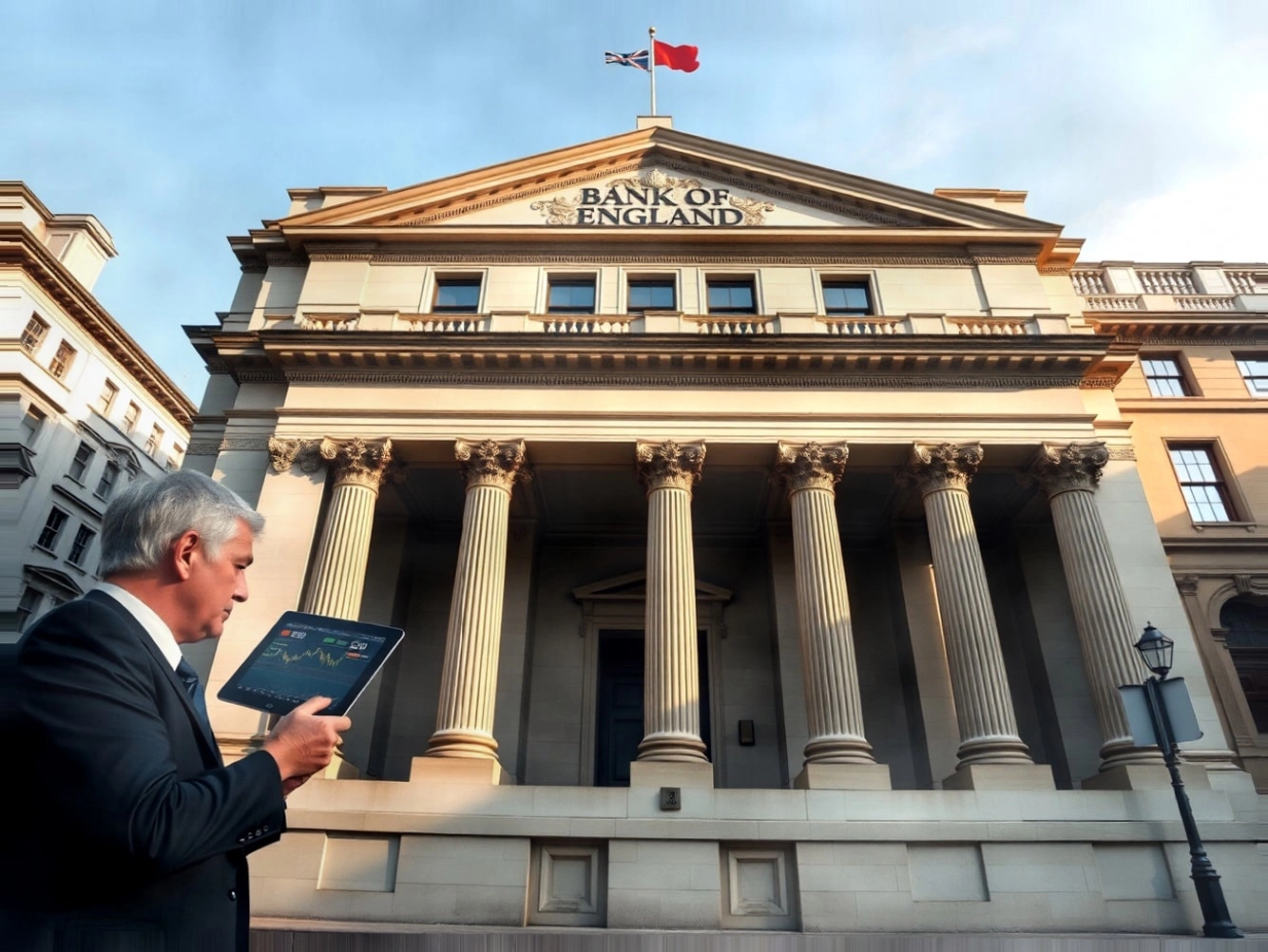
Overall, the short-term trend of the pound sterling will highly depend on the pace of UK domestic data releases. If inflation and employment data maintain resilience, market expectations for the BoE's “higher for longer” interest rates are expected to be further strengthened, providing sustained support for the pound sterling. Conversely, if economic data is significantly weak, the exchange rate may face downward pressure.