

U.S. Commodity Futures Trading Commission (CFTC) Chairman Rostin Behnam has recently voiced his support for blockchain-powered prediction markets, suggesting that these mechanisms have the potential to become highly efficient tools for uncovering the truth about future events. Speaking at the FIA Global Clearing Market Conference in Boca Raton, Florida, Behnam noted that when participants wager real money on their judgments about the future, the market spontaneously generates a highly transparent and accountable stream of information, which he calls a "truth machine."
He emphasized that the signals presented by liquid prediction markets are increasingly being seen by the public as a more reliable source of information than traditional polls. This market-based collective intelligence can more accurately reflect real-world trends, rather than relying on small-sample surveys.
It is worth noting that, despite the CFTC's open attitude, several U.S. states have taken legal or regulatory action against prediction platforms, accusing them of offering event contracts similar to unlicensed gambling. In response, Behnam stated that the CFTC is working to develop clearer regulatory guidance, clarifying how to legally and compliantly list and trade these types of event contracts under the existing derivatives legal framework.
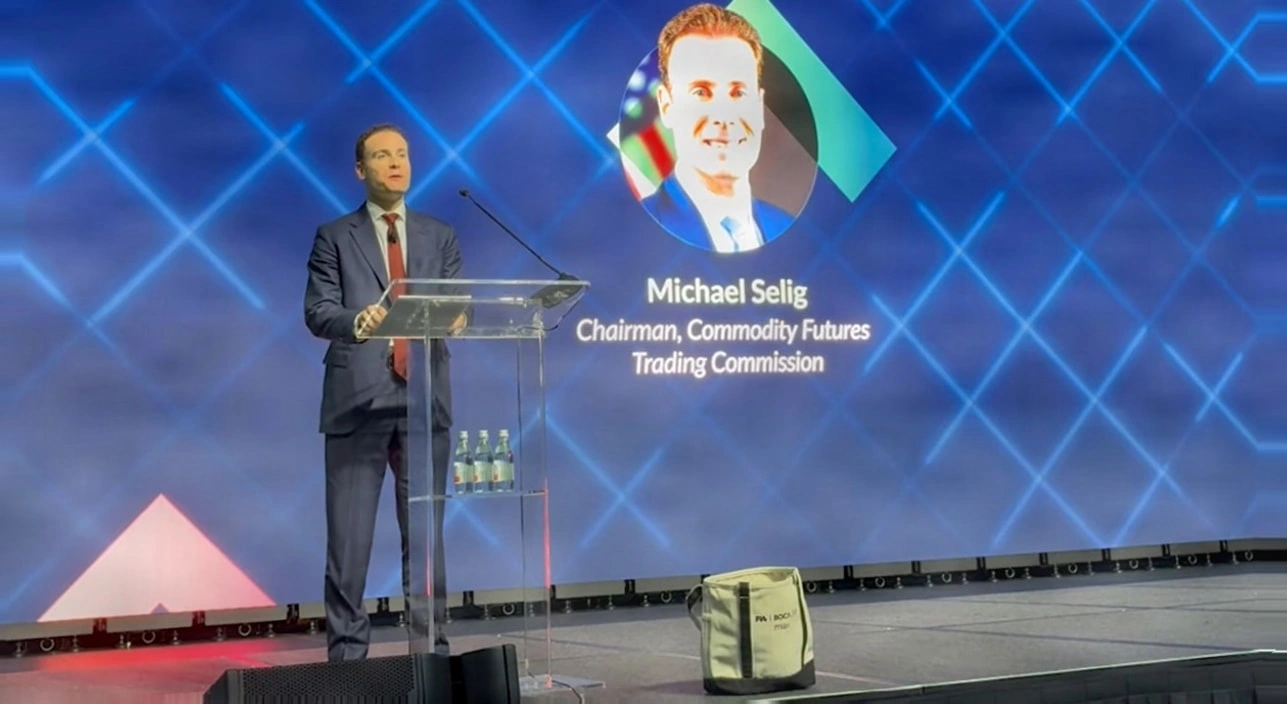
CFTC Chair Backs Blockchain Prediction Markets: Building a More Reliable Truth Engine
CFTC Chair Rostin Behnam supports blockchain prediction markets as efficient truth-revealing tools, plans clear regulatory framework, promotes crypto asset classification and non-custodial software compliance, emphasizing transparent rules over ex-post enforcement.