

The global copper market is at a critical turning point. On one hand, China's industrial demand remains robust, while on the other, the supply uncertainty from the Democratic Republic of the Congo (DRC) is increasingly prominent. This tug-of-war may profoundly impact copper price trends in 2025 and beyond, affecting the global landscape of green industries such as electric vehicles and renewable energy.
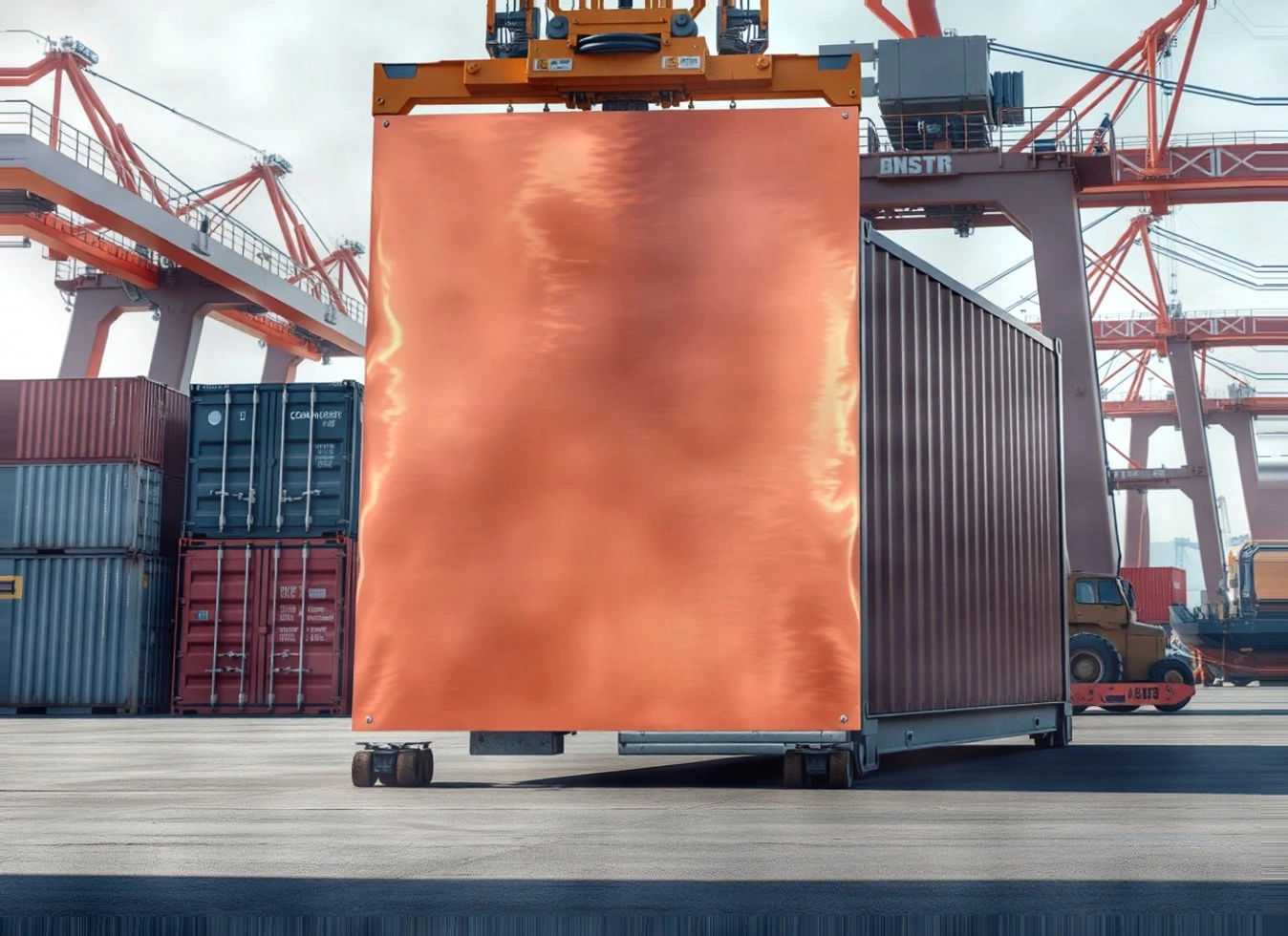
As the world's largest copper importer, China continues to demonstrate strong copper consumption resilience, even amid macroeconomic pressures. In the first quarter of 2025, China's copper imports reached 480,000 tons, a year-on-year increase of 12%, according to customs statistics. This demand is primarily driven by the country's push for green transformation and infrastructure upgrades. Electric vehicles are one of the core drivers, with each electric vehicle averaging about 83 kilograms of copper, accounting for 15% of China's total consumption. Additionally, photovoltaic and wind power projects rely on copper to build transmission and distribution systems, while the smart grid transformation further increases usage.
The stable operation of the manufacturing sector provides solid support for copper demand. As of March 2025, the PMI for the electrical equipment manufacturing industry has remained in the expansion zone for seven consecutive months, reflecting sustained high output in sectors such as industrial machinery, building wiring, and consumer electronics. Meanwhile, the government-led “new infrastructure” strategy focuses on the construction of 5G base stations, data centers, and the industrial internet, all of which require substantial amounts of copper, forming a stable underlying demand guarantee.
At the same time, the DRC, the world's third-largest copper producer, is facing multiple supply risks. In 2024, its copper output is expected to reach 2.4 million tons, accounting for 11% of global mineral supply. However, the country's export capacity is hampered by outdated railway and road networks, with logistical bottlenecks severely restricting the efficiency of mineral transportation. Furthermore, political instability and adjustments in mining policies have added uncertainty to the supply chain, raising concerns among international buyers about the stability of medium- to long-term supplies.
The structural contradictions on both the supply and demand sides are pushing the copper market into a period of high volatility. China's firm investment in green transformation stands in stark contrast to the DRC's lagging infrastructure and governance capabilities. In the coming years, the allocation of global copper resources and price trends may increasingly depend on whether African production capacity can effectively break through these bottlenecks.