

The recent statements from the Israeli Foreign Minister reveal the core strategy in the current regional conflict: the pace of military and diplomatic actions is not determined unilaterally by Israel, but is highly dependent on coordinated assessments with the United States. Israel has made it clear that the timing for ending the conflict will not be set according to its own schedule, but must be determined through a joint evaluation of strategic goals and regional stability by both the U.S. and Israel. This model reflects Israel's mature alliance-dependent thinking in security affairs, rather than isolated decision-making.
Historically, high-level coordination between the U.S. and Israel has played a decisive role at several critical junctures, such as during the Gulf War in 1991 and in the strategic alignment during the negotiations of the Iran nuclear deal in 2015. Currently, the two sides have established a multi-layered communication mechanism that encompasses various channels, including intelligence sharing, military planning, and diplomatic consultations. Experts point out that this multidimensional collaborative system helps reduce the risk of misjudgment in high-pressure environments, ensuring that decisions are based on comprehensive and accurate intelligence. The trajectory of this conflict is likely to continue this highly synchronized decision-making model.
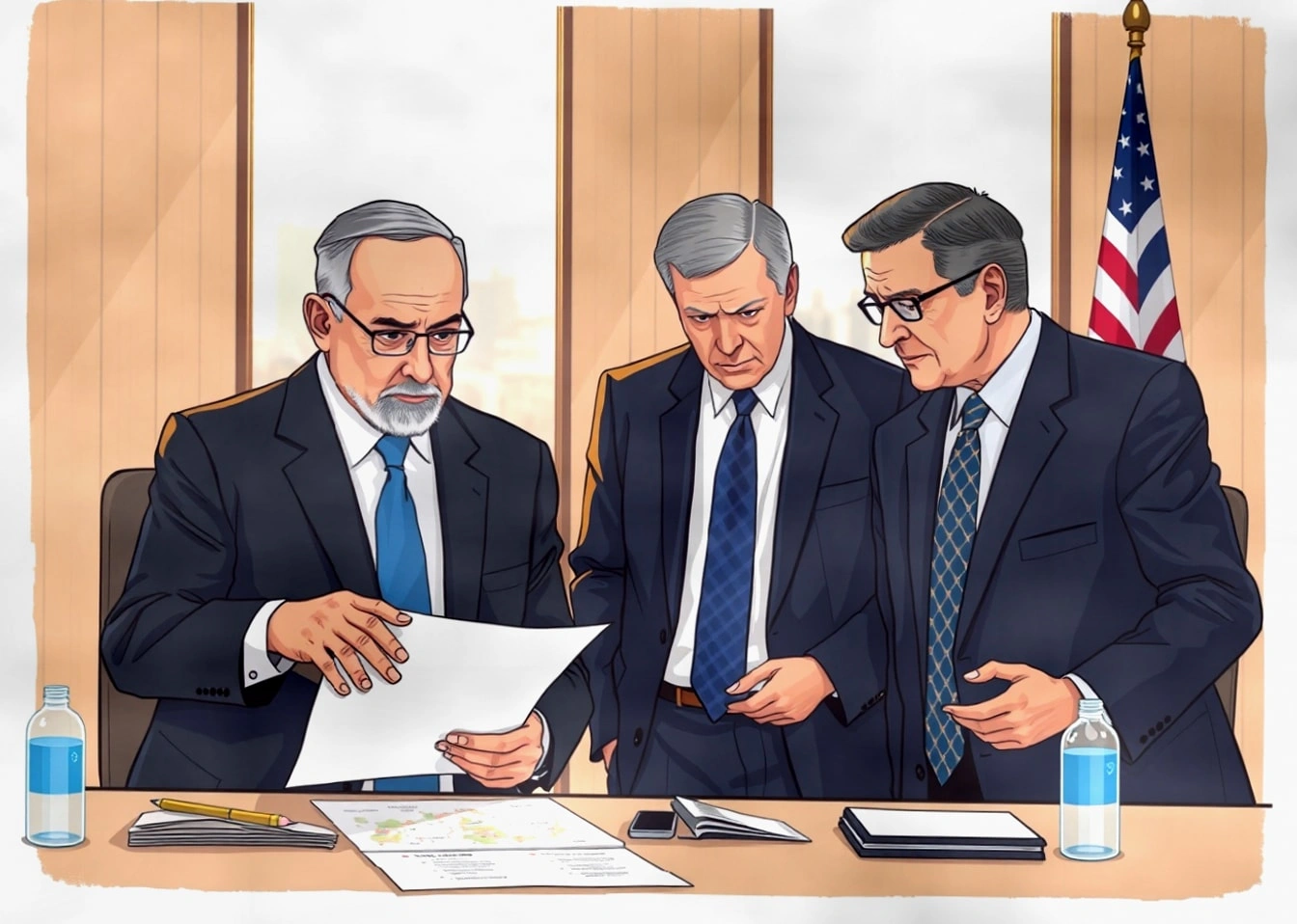
The current regional situation remains tense, with Iran-backed proxy forces frequently launching attacks, and the security of energy routes in the Strait of Hormuz is also a concern for global markets. If Israel unilaterally announces a ceasefire, it may be seen as a strategic retreat, potentially emboldening hostile forces; however, if the conflict drags on, there is a risk of further escalation and the involvement of other regional countries. In this context, the role of the U.S. goes far beyond bilateral coordination—its influence among Gulf Arab states and European allies enables it to promote the establishment of a multilateral security framework, providing institutional guarantees for post-war stability. This U.S.-led diplomatic structure is a structural support that Israel cannot independently construct.
Several security analysts have pointed out that the resolution of the conflict must meet four core conditions: first, that the Iran-backed armed groups achieve a verifiable and comprehensive ceasefire; second, that Iran's missile capabilities deployed at the front lines are substantially weakened; third, that the monitoring mechanisms of the International Atomic Energy Agency regarding Iran's nuclear activities are restarted and strengthened; and fourth, that a new regional deterrence consensus and crisis management channels are established. These criteria will serve as the core basis for the U.S. and Israel to assess progress, and any unmet condition could lead to a stagnation of negotiations. The entire process is not a one-time meeting, but rather a continuous joint verification mechanism aimed at gradually establishing an irreversible factual basis to promote long-term stability in the region.