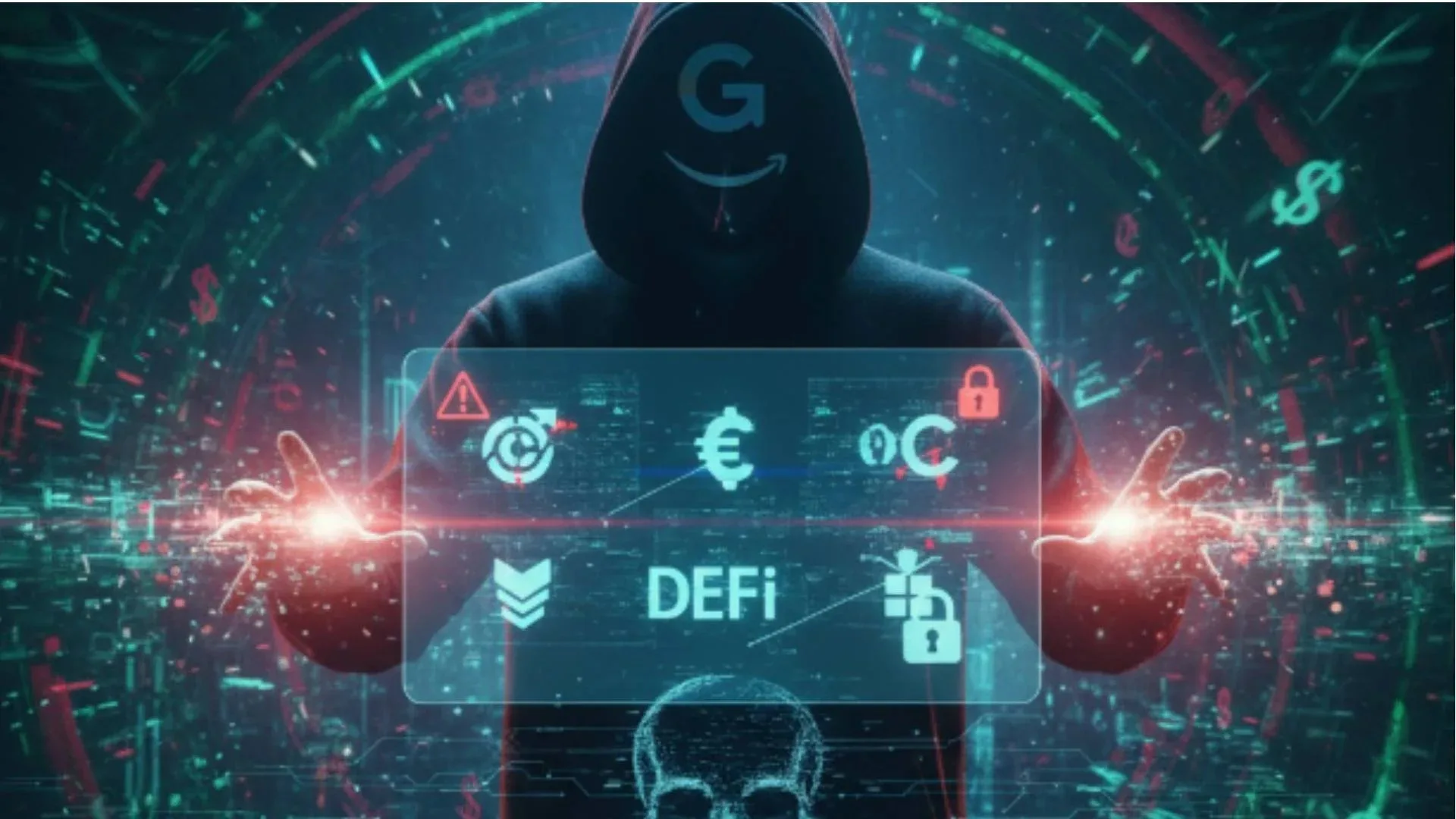
Trust Wallet launches smart address poisoning protection on 32 EVM chains, reducing the risk of users mistakenly transferring assets to similar addresses through visual comparison and risk warnings, thereby enhancing transaction security.
Trust Wallet has officially launched an automatic address poisoning protection mechanism on 32 EVM-compatible blockchains, providing users with smarter security for transactions. According to Cyvers data, the Ethereum network alone sees over a million address poisoning attempts daily. Trust Wallet estimates that the entire ecosystem faces approximately 34,000 potential attacks per hour, indicating that users frequently encounter malicious addresses with similar appearances in daily transfers.
This update introduces a real-time address screening function in the transaction process. When a user enters a recipient address, the system automatically compares it against a database of known fraudulent addresses. If it detects a highly similar address pattern, it will immediately display a visual comparison prompt, clearly marking the points of difference to help users make more informed decisions before confirming. This feature is a UI/UX layer security enhancement designed to reduce the risk of errors caused by copy-pasting, but it does not replace the user's ultimate responsibility to verify the recipient and amount.
Industry experts continue to call for increased security awareness. Former Binance CEO CZ suggested that all wallets should by default query and block known poisoned addresses, arguing that this can be achieved with just one on-chain query. Security firm Hacken recommends that users avoid copying addresses from transaction history and instead use address books or readable names such as ENS to fundamentally reduce the possibility of human input errors and malicious inducement.
Regarding this protection mechanism, Trust Wallet clearly stated that its detection system relies on threat intelligence provided by HashDit and Binance Security, and continuously monitors suspicious addresses on 32 EVM chains through pattern recognition technology. The system currently only provides warnings and visual comparisons, and does not block transactions by default. Users can still complete operations through manual confirmation, ensuring a balance between security and flexibility.
0 comment A文章作者M管理员
No Comments Yet. Be the first to share what you think
❯
Profile
Search
Checking in, please wait...
Click for today's check-in bonus!
You have earned {{mission.data.mission.credit}} points today