

In response to the energy crisis triggered by escalating tensions in Iran, Japanese Prime Minister Sanae Takaichi has decided to tap into the nation's strategic oil reserves, releasing an amount equivalent to 254 days of imports, coupled with economic buffer measures. This move reflects the severe imported inflation pressure facing the world's fourth-largest economy.
International oil prices have swung wildly from $120 per barrel to $83 in just a few days, leaving market sentiment highly sensitive. Meanwhile, Bitcoin's price has remained near $70,000, demonstrating unusual resilience. The G7 countries are assessing whether to jointly release 300 to 400 million barrels of strategic crude oil reserves to stabilize global energy markets.
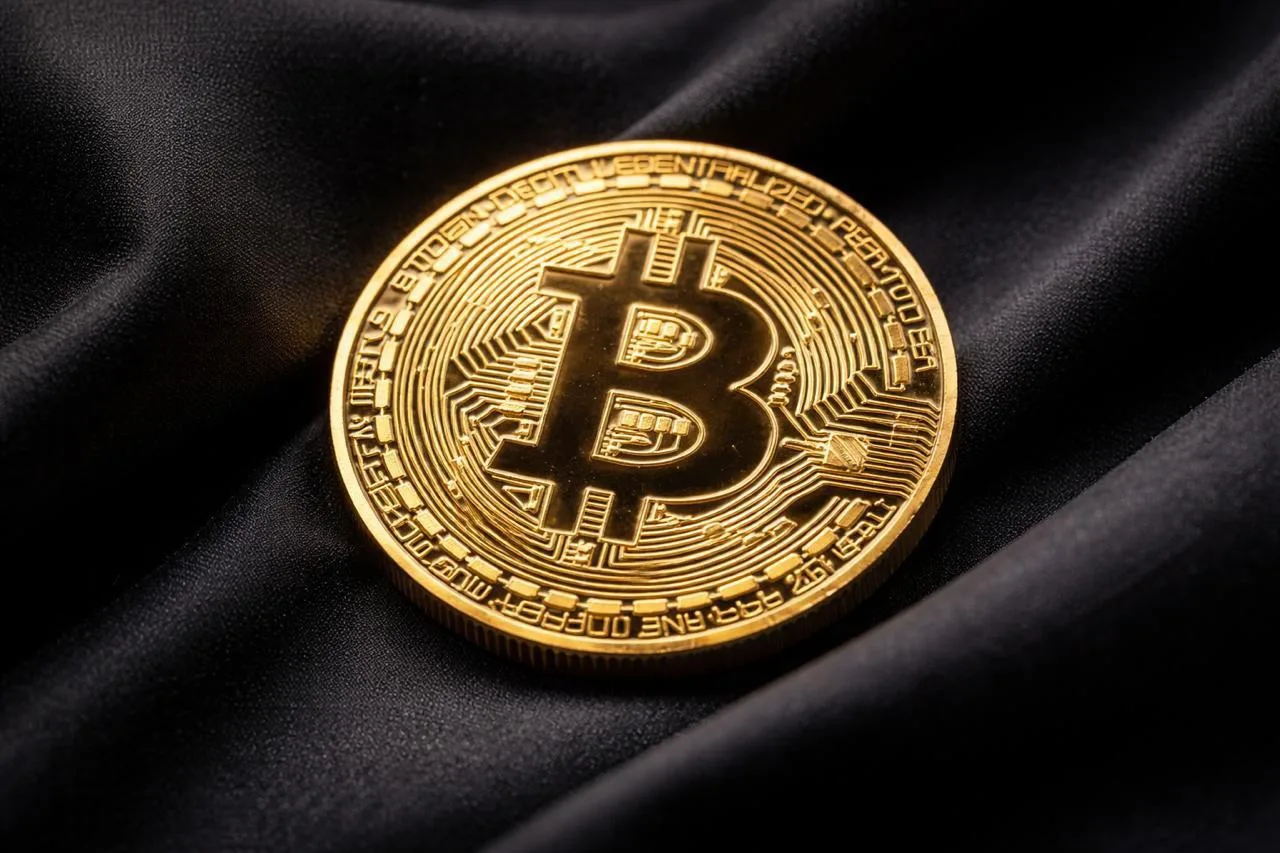
Market analysts hold markedly divergent views on this. Former BitMEX co-founder Arthur Hayes believes that war-induced fiscal deficits will force the Federal Reserve to expand the money supply, devaluing the dollar and thus driving up hard assets like Bitcoin. He cites similar patterns during the 1990 Gulf War and the 2009 Afghanistan War as historical references.
However, Jake Ostrovskis, Head of OTC at Wintermute, points out that what truly affects cryptocurrencies is not geopolitics itself, but the transmission of oil price movements to inflation expectations. If Brent crude consistently remains above $80, the likelihood of a Fed rate cut in March will essentially disappear, thereby suppressing the performance of risk assets, including Bitcoin.

CoinShares Research Director James Butterfill takes a neutral stance, believing that Bitcoin has shown "significant resilience" in this turmoil. He notes that when trust in the traditional financial system is damaged by geopolitical conflicts, Bitcoin, with its scarcity and decentralized characteristics, may become a safe-haven choice for medium- to long-term funds.
Singapore-based trading firm QCP Capital further adds that although Bitcoin has not fully realized the ideal narrative of "digital gold," its practical value as a "digital escape route" is becoming increasingly apparent, especially in the Gulf region. Faced with currency fluctuations and political uncertainty, more and more institutions and individuals are beginning to see it as an alternative asset allocation option.
The policy dilemma of the Bank of Japan (BOJ) adds further complexity. On the one hand, rising energy costs are pushing up inflation, which may force the central bank to tighten monetary policy; on the other hand, fiscal stimulus implemented to alleviate the economic shock will weaken the yen, indirectly benefiting dollar-denominated assets—including Bitcoin. This macro game allows crypto assets to quietly gain new attention in the cracks of the traditional financial system.
It is worth noting that during traditional financial market closures, Bitcoin's 24/7 trading characteristic makes it a scarce tool for global investors to quickly adjust their positions in the event of sudden geopolitical events. This advantage is being re-evaluated by an increasing number of market participants.